



WALL VOC DETECTOR
Model
:
YVOCW-SERIES
Type
:
Wall
Display
:
Display Available
Aplication
- Indoor air Quality Monitoring
- HVAC System and Ventilation Control
- Industrial manufacturing & Processing Plants
- laboratories
- Clean Storage Area

Specification

Ordering Guide


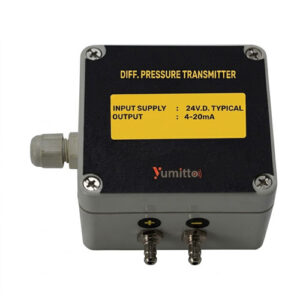
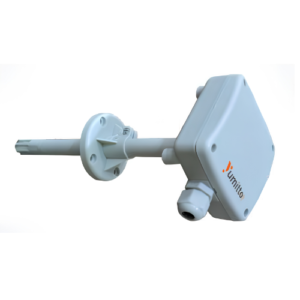

WALL VOC DETECTOR: Complete Guide to VOC Monitoring and Indoor Air Quality
A Wall VOC Detector is a wall-mounted air quality monitoring device designed to detect and monitor volatile organic compounds (VOCs) in indoor environments. VOCs can originate from paints, adhesives, cleaning products, furniture, building materials, solvents, printing processes, and various industrial activities. A Wall VOC Detector helps facility managers, HVAC professionals, industries, offices, laboratories, commercial buildings, and cleanrooms monitor indoor air conditions and identify changes in VOC concentration. With a wall-mounted design, the device can provide continuous monitoring while saving valuable space and allowing users to position the instrument at a suitable location for regular observation.
Wall VOC Detector
- A Wall VOC Detector is designed to continuously monitor volatile organic compounds present in indoor air.
- The device is generally installed on a wall where it can measure air conditions without occupying floor or table space.
- A Wall VOC Detector can be useful in offices, laboratories, hospitals, commercial buildings, manufacturing areas, cleanrooms, and other controlled environments.
- Depending on the model, the detector may feature a digital display for viewing real-time measurements.
- Some systems can also provide alarms when VOC levels reach configured thresholds.
- A Wall VOC Detector can support preventive indoor air quality management by helping users identify changes in air conditions.
- Wall-mounted installation makes the instrument convenient for permanent monitoring applications.
- The device can be integrated into broader HVAC or building-management strategies depending on its communication capabilities.
- Regular VOC monitoring can help organizations understand how activities, ventilation, and indoor materials influence air quality.
- Choosing the correct Wall VOC Detector depends on measurement range, sensor technology, accuracy, display requirements, alarm functions, installation environment, and application.
VOC Detector
- A VOC Detector is an instrument used to identify or measure volatile organic compounds in air.
- VOCs are carbon-based compounds that can evaporate into the atmosphere under normal indoor or operating conditions.
- Common indoor sources include paints, coatings, solvents, cleaning chemicals, adhesives, furnishings, and building materials.
- A VOC Detector provides information that can be used as part of an indoor environmental monitoring program.
- Different VOC detectors can use different sensing technologies and may be designed for specific concentration ranges.
- Portable VOC detectors are useful for spot checks, while fixed devices can support continuous monitoring.
- A Wall VOC Detector combines VOC detection functionality with a convenient fixed wall-mounted installation.
- When selecting a detector, users should consider the expected VOC sources and the environmental conditions of the installation area.
- A suitable VOC Detector can help identify changes that may require investigation or improved ventilation.
- The instrument should be operated and maintained according to the manufacturer’s specifications.
VOC Monitor
- A VOC Monitor is designed to provide ongoing information about VOC levels in a particular environment.
- Monitoring is different from performing a single measurement because continuous data can reveal changes over time.
- A VOC Monitor can help users observe variations caused by occupancy, cleaning, manufacturing processes, ventilation, or material emissions.
- Wall-mounted monitors are convenient for applications requiring a fixed monitoring point.
- A Wall VOC Detector can function as a continuous VOC monitoring solution when configured for the required application.
- Some VOC monitors include digital displays that make readings easier to observe locally.
- Advanced systems may provide communication outputs for remote monitoring or building management integration.
- Data from a VOC Monitor can support facility maintenance and environmental management decisions.
- Monitoring requirements should be established according to the application and the types of VOCs expected.
- Proper sensor placement is important because an incorrectly positioned monitor may not represent the intended area accurately.
VOC Sensor
- A VOC Sensor is the sensing component responsible for detecting changes associated with volatile organic compounds.
- Sensor technology influences the measurement characteristics, response, stability, and application suitability of the monitoring instrument.
- Different sensors may be optimized for different environmental monitoring requirements.
- Temperature and humidity can influence certain sensor technologies, so environmental conditions should be considered.
- Sensor selection should be based on the expected VOC environment rather than price alone.
- A Wall VOC Detector may use an integrated VOC Sensor designed for continuous indoor monitoring.
- Sensor performance can change over time, making maintenance and calibration important for applications requiring reliable measurements.
- Users should check the manufacturer’s specifications for sensor life, operating range, response time, and recommended maintenance.
- Proper installation can help ensure that the VOC Sensor receives representative air samples.
- Selecting the right sensor technology is an important part of designing an effective VOC monitoring system.
VOC Meter
- A VOC Meter provides numerical information about VOC concentration or a related air-quality measurement.
- VOC meters can be used for inspections, environmental assessments, facility monitoring, and troubleshooting.
- Portable meters are commonly used when measurements are required at multiple locations.
- Fixed wall-mounted instruments are useful when a particular location needs continuous monitoring.
- A Wall VOC Detector can provide the benefits of fixed installation while allowing users to monitor VOC conditions at a selected point.
- Digital displays can make VOC measurements easier to read without connecting an external instrument.
- Some VOC meters may provide additional environmental parameters depending on their design.
- Measurement units and ranges should always be checked before comparing different products.
- A VOC Meter should be selected according to the required accuracy and environmental conditions.
- For critical applications, users should follow applicable monitoring procedures and manufacturer recommendations.
Indoor VOC Detector
- An Indoor VOC Detector is specifically intended for monitoring VOC conditions in enclosed environments.
- Indoor spaces can accumulate VOCs when emissions are present and ventilation is insufficient.
- Offices, schools, laboratories, hospitals, hotels, retail facilities, and homes may contain multiple potential VOC sources.
- An Indoor VOC Detector can provide useful information about changes in indoor air conditions.
- A Wall VOC Detector is particularly suitable when permanent monitoring is required without taking up floor space.
- Fixed installation allows the detector to remain at a consistent monitoring location.
- Users can compare readings across different areas to identify locations requiring additional investigation.
- HVAC operation, occupancy, cleaning schedules, and indoor materials can all influence VOC levels.
- Continuous monitoring can therefore provide more useful information than occasional measurements alone.
- The detector should be installed at a location representative of the intended monitoring area.
Air Quality Detector
- An Air Quality Detector is used to monitor one or more parameters associated with indoor or environmental air quality.
- Depending on the instrument, monitored parameters may include VOCs and other environmental measurements.
- Air quality monitoring helps organizations understand changes in the conditions of occupied or controlled spaces.
- A Wall VOC Detector can serve as a dedicated VOC-focused component within an indoor air quality strategy.
- Wall-mounted instruments are convenient for reception areas, offices, laboratories, production areas, and technical spaces.
- Some air quality detectors provide visual indications that allow users to identify changes quickly.
- Advanced devices may support alarms, data logging, or communication interfaces.
- Users should select an Air Quality Detector according to the parameters that need to be monitored.
- Monitoring should be combined with appropriate ventilation and environmental management practices.
- The detector provides measurement information and should not be considered a substitute for a complete air-quality management program.
VOC Gas Detector
- A VOC Gas Detector is designed to detect volatile organic compounds in gaseous form.
- VOC detection is important in environments where solvents, fuels, chemicals, coatings, adhesives, or other VOC-emitting materials are used.
- Industrial applications may require instruments with specific ranges and environmental ratings.
- A Wall VOC Detector can be used as a fixed monitoring point where continuous observation is required.
- The correct detector depends on the types and concentrations of VOCs expected in the environment.
- Industrial users should review sensor compatibility before installing a detector.
- Alarm functionality can be useful when users need immediate notification of abnormal readings.
- Communication outputs can support integration with monitoring or building-management systems where available.
- Safety-critical applications should follow the relevant industry procedures and equipment requirements.
- Users should not assume that every VOC detector is suitable for every combustible or hazardous gas application.
VOC Monitoring System
- A VOC Monitoring System can include sensors, detectors, displays, communication equipment, software, and alarms.
- The objective is to collect useful information about VOC conditions over a period of time.
- A Wall VOC Detector can act as an individual monitoring point within such a system.
- Multiple detectors can be installed across different rooms or production areas when broader monitoring is required.
- Network-enabled instruments can potentially send readings to centralized systems depending on available interfaces.
- Alarm thresholds can help users identify readings that require investigation.
- Data trends can assist facility teams in identifying recurring VOC changes.
- A monitoring system should be designed around the physical layout and operational activities of the facility.
- Sensor placement should be carefully considered to avoid misleading measurements.
- Routine maintenance is important to maintain dependable monitoring performance.
Indoor Air Quality Monitor
- An Indoor Air Quality Monitor provides information about environmental conditions inside a building or controlled space.
- Indoor air quality can be affected by ventilation, occupancy, building materials, cleaning activities, and chemical emissions.
- VOC measurement is one important component of indoor environmental monitoring.
- A Wall VOC Detector can provide a fixed point for monitoring VOC-related air quality conditions.
- Wall-mounted monitoring is particularly useful in rooms where continuous observation is required.
- Some monitors may measure additional parameters such as temperature and humidity.
- Combining several parameters can provide a broader understanding of indoor environmental conditions.
- Facility managers can use monitoring information to investigate changes in air quality.
- The monitor should be installed according to the manufacturer’s recommended positioning and operating conditions.
- Continuous monitoring can help establish trends that are difficult to identify through occasional manual measurements.
Buy wall VOC detector
- Before you Buy wall VOC detector, identify the environment where the device will be installed.
- Determine whether the requirement is for office, commercial, laboratory, cleanroom, healthcare, or industrial monitoring.
- Check the VOC measurement range to ensure it covers the expected operating conditions.
- Review sensor technology and specifications provided by the manufacturer.
- Check whether a digital display is required for local monitoring.
- Consider whether an alarm output is necessary for the application.
- Verify the required power supply and installation method.
- Check whether communication interfaces are available if integration is required.
- Compare product specifications rather than relying only on purchase price.
- When you Buy wall VOC detector, also consider long-term maintenance, calibration, sensor replacement, and technical support.
Wall VOC detector manufacturer
- A Wall VOC detector manufacturer designs and produces fixed VOC monitoring instruments for different applications.
- Manufacturers may offer models with different measurement ranges, sensors, displays, communication interfaces, and alarm functions.
- When evaluating a manufacturer, review technical documentation and product specifications.
- Check whether the manufacturer provides installation and maintenance guidance.
- Product consistency and availability of replacement components can be important for long-term monitoring.
- A reliable manufacturer should clearly state the operating conditions and limitations of the instrument.
- Buyers should evaluate the manufacturer’s technical support capabilities before selecting equipment for large installations.
- A Wall VOC Detector manufacturer may provide customized solutions depending on project requirements.
- Industrial customers may require specific enclosure, communication, or environmental specifications.
- Comparing technical documentation from multiple manufacturers can help users identify equipment suitable for their application.
Wall VOC detector supplier
- A Wall VOC detector supplier provides access to VOC monitoring equipment for commercial and industrial users.
- Suppliers can assist customers in identifying models based on application requirements.
- Before selecting a supplier, check product specifications, availability, warranty, and technical support.
- A good supplier should provide clear information about the device’s operating range and installation requirements.
- Customers should confirm delivery timelines for project-based requirements.
- Technical assistance can be valuable when multiple Wall VOC Detector units are required.
- Suppliers may also provide accessories, installation guidance, and replacement sensors depending on their product range.
- Industrial projects should verify whether the supplier can support bulk orders.
- It is useful to compare quotations based on complete specifications rather than price alone.
- Proper documentation can make installation and maintenance easier after purchase.
Wall VOC detector for indoor air quality
- A Wall VOC detector for indoor air quality is designed to monitor VOC-related changes in enclosed environments.
- Offices and commercial buildings can contain VOC sources from furnishings, paints, cleaning products, and adhesives.
- Continuous monitoring can help facility teams understand changes associated with these sources.
- A Wall VOC Detector provides a fixed monitoring point for observing indoor VOC conditions.
- Wall installation can help save floor and desk space.
- A digital display can allow users to view measurements directly at the installation point.
- Alarm functionality can notify users when configured thresholds are exceeded.
- The instrument can support ventilation assessment and indoor environmental management.
- Proper placement is important for representative measurements.
- Users should follow manufacturer recommendations when installing and operating the detector.
Wall VOC detector for offices
- A Wall VOC detector for offices can help organizations monitor indoor VOC conditions in workspaces.
- Office VOC sources can include furniture, carpets, paints, cleaning chemicals, printers, adhesives, and other materials.
- A wall-mounted design provides continuous monitoring without requiring a desk or floor-mounted instrument.
- A Wall VOC Detector can be positioned in a common area or selected workspace depending on the monitoring objective.
- A display can make local readings accessible to facility personnel.
- Alarm functionality can provide an indication when readings exceed configured thresholds.
- Monitoring can be useful during renovation, cleaning, maintenance, or changes in occupancy.
- Offices with centralized HVAC systems may benefit from monitoring multiple areas.
- The detector should be installed where it can receive representative room air.
- Routine checks and maintenance can help maintain measurement reliability.
Wall VOC detector for cleanrooms
- A Wall VOC detector for cleanrooms can support monitoring where controlled environmental conditions are required.
- Cleanrooms may have strict requirements for contamination control and environmental monitoring.
- VOC sources can include cleaning agents, materials, processes, adhesives, and other substances used within or around controlled areas.
- A Wall VOC Detector can provide a fixed monitoring point without occupying valuable floor space.
- Cleanroom applications require careful consideration of materials, installation practices, enclosure design, and sensor compatibility.
- Users should verify that the selected instrument is suitable for the cleanroom’s environmental and operational requirements.
- Measurement stability can be particularly important for continuous monitoring applications.
- Installation should follow the facility’s cleanroom procedures.
- Any device installed in a controlled environment should be evaluated for compatibility with the applicable cleanliness requirements.
- The detector can form part of a broader environmental monitoring strategy.
Wall VOC detector with display
- A Wall VOC detector with display allows users to view measurements directly from the installed device.
- A clear digital display can make routine monitoring more convenient.
- Users do not necessarily need to connect an external computer simply to observe the current reading.
- A Wall VOC Detector with a display can be suitable for offices, laboratories, production areas, and commercial spaces.
- Display formats vary between models, so buyers should review the screen size and readability.
- Some devices may provide additional status indicators alongside the VOC measurement.
- Display visibility should be considered when selecting an installation location.
- A locally visible reading can help facility personnel perform quick environmental checks.
- Users should verify which units and parameters are displayed before purchasing.
- For larger facilities, a displayed measurement can complement centralized monitoring systems.
Wall VOC detector with alarm
- A Wall VOC detector with alarm can provide an alert when VOC readings reach a configured threshold.
- Alarm functionality can be useful where facility teams need immediate notification of abnormal conditions.
- Alarms may be visual, audible, relay-based, or communication-based depending on the model.
- A Wall VOC Detector with alarm functionality can support faster response to unexpected changes.
- Users should configure thresholds according to the application and applicable monitoring requirements.
- Alarm settings should not be selected without considering normal background VOC variations.
- Regular testing can help confirm that the alarm function operates as intended.
- Users should review whether the device supports adjustable thresholds.
- Alarm functionality can complement, rather than replace, routine environmental monitoring.
- The specific alarm type and output should be checked before purchase.
Wall VOC detector for industrial applications
- A Wall VOC detector for industrial applications is designed for fixed monitoring in manufacturing and process environments.
- Industrial VOC sources can include solvents, coatings, paints, adhesives, chemical processes, and cleaning agents.
- These environments may require robust monitoring equipment with appropriate measurement ranges.
- A Wall VOC Detector can provide a permanent monitoring point near an area of interest.
- Users should verify whether the selected model is suitable for temperature, humidity, dust, and other environmental conditions.
- Industrial applications may also require alarm outputs or communication interfaces.
- Sensor selection should be based on the expected VOC composition and concentration range.
- Multiple detectors can be deployed when monitoring several production areas.
- Installation should follow site safety procedures and manufacturer instructions.
- For hazardous environments, users must verify the equipment’s applicable certifications and suitability before installation.
Wall VOC detector price in India
- Wall VOC detector price in India can vary depending on sensor technology, measurement range, display, alarm features, communication options, and construction.
- Basic models may provide essential VOC measurement functionality.
- Advanced instruments can include additional parameters, data communication, alarms, and configurable settings.
- Installation requirements can also influence the overall project cost.
- Buyers should compare technical specifications alongside the purchase price.
- A lower initial price may not represent the lowest total cost over the equipment’s operating life.
- Sensor replacement, calibration, maintenance, accessories, and support can contribute to the overall cost.
- For large installations, quantity requirements may affect commercial quotations.
- Buyers should request a detailed quotation based on their actual application.
- Comparing the Wall VOC Detector specifications, warranty, service support, and long-term operating requirements can provide a clearer basis for procurement.
Wall VOC detector supplier in India
- A Wall VOC detector supplier in India can provide VOC monitoring equipment to customers across different industries and regions.
- Pan-India suppliers can support customers in commercial buildings, manufacturing facilities, laboratories, hospitals, cleanrooms, and other applications.
- Buyers should confirm product availability and delivery coverage before placing an order.
- Technical documentation should clearly describe the instrument’s measurement range and operating conditions.
- A supplier should be able to explain installation and maintenance requirements.
- For projects requiring multiple Wall VOC Detector units, availability and after-sales support are important considerations.
- Customers should also verify warranty terms and service arrangements.
- Comparing supplier quotations can help buyers understand differences in specifications and included accessories.
- Local technical support may be useful for installation and troubleshooting.
- Selecting equipment based on application requirements can help ensure suitable long-term operation.
Wall VOC detector manufacturer in India
- A Wall VOC detector manufacturer in India may provide locally available VOC monitoring solutions for different applications.
- Indian manufacturers and suppliers can offer products for HVAC, indoor air quality, industrial monitoring, laboratories, and commercial environments.
- Buyers should examine the technical specifications before selecting a manufacturer.
- Important specifications include sensor type, measurement range, accuracy, response time, display, alarm, power supply, and communication options.
- Manufacturers may offer different configurations for different installation requirements.
- A Wall VOC Detector manufacturer may also provide technical support and product documentation.
- Customers should check warranty terms and availability of replacement sensors.
- For large projects, users may request product samples or technical discussions before final procurement.
- Industrial customers should verify environmental and certification requirements where applicable.
- A detailed technical comparison can help buyers select an instrument suitable for their specific application.
Wall VOC detector dealer in India
- A Wall VOC detector dealer in India can help customers source monitoring equipment for specific projects.
- Dealers may provide product availability, quotations, installation assistance, and technical guidance depending on their services.
- Before selecting a dealer, buyers should confirm whether the supplied model meets the required technical specifications.
- Customers should verify whether the dealer provides genuine products and manufacturer documentation.
- Delivery timelines can be important for facility projects and new installations.
- A dealer with technical knowledge can help explain display, alarm, sensor, and communication options.
- For multiple Wall VOC Detector units, buyers should request project-specific quotations.
- Warranty and after-sales support should be clarified before purchasing.
- Customers should also ask about replacement sensors and calibration requirements.
- Selecting a suitable dealer can simplify procurement and ongoing equipment support.
Wall VOC detector price in India
- The Wall VOC detector price in India depends on the technical configuration and application requirements.
- Models with basic VOC monitoring functionality may have different pricing from advanced systems with displays, alarms, and communication interfaces.
- Sensor technology is another important factor influencing equipment cost.
- Additional environmental parameters can also affect the final product price.
- Installation accessories and commissioning requirements should be considered when preparing a project budget.
- Customers should request quotations that clearly specify the exact model and configuration.
- Comparing products only on price can result in selecting equipment that does not meet the monitoring requirements.
- Buyers should evaluate warranty, service, sensor replacement, and technical support alongside the initial price.
- Bulk requirements may allow customers to request project-specific commercial terms.
- The most useful approach is to compare the total specifications and ownership requirements before purchasing a Wall VOC Detector.
Buy wall VOC detector online India
- Customers looking to Buy wall VOC detector online India can compare specifications and configurations before placing an order.
- Online product research can make it easier to review measurement range, sensor type, display, alarm, and communication features.
- Buyers should verify the supplier’s product information and technical documentation.
- Product availability and delivery coverage should be confirmed before ordering.
- Customers should check warranty and after-sales service conditions.
- When you Buy wall VOC detector online India, confirm that the selected model is appropriate for the intended installation environment.
- For industrial or specialized applications, technical consultation may be preferable before purchasing online.
- Buyers should also consider calibration and replacement sensor availability.
- Comparing several specifications can help identify the appropriate configuration for the application.
- A Wall VOC Detector purchased online should be installed and commissioned according to the manufacturer’s instructions.
Key Factors to Consider Before Choosing a Wall VOC Detector
- Measurement Range: Select a range suitable for the expected VOC concentration in the application.
- Sensor Technology: Review the sensing technology and its suitability for the expected environment.
- Display: Choose a visible digital display when local readings are required.
- Alarm: Consider an alarm function when users need notification of threshold exceedance.
- Installation: Verify the wall-mounting method and required installation space.
- Power Supply: Confirm that the available power source matches the instrument’s requirements.
- Communication: Check for required outputs such as analog, relay, or digital communication interfaces.
- Environmental Conditions: Consider temperature, humidity, dust, and other operating conditions.
- Maintenance: Review sensor replacement, calibration, and maintenance requirements.
- Technical Support: Consider the availability of documentation, service, and replacement components.
Applications of Wall VOC Detector
- Offices: Monitoring VOC changes associated with furnishings, cleaning activities, and indoor materials.
- Commercial Buildings: Supporting indoor air quality management in occupied spaces.
- Laboratories: Monitoring areas where solvents and chemical materials may be used.
- Manufacturing: Observing VOC conditions around production and process areas.
- Cleanrooms: Supporting controlled environmental monitoring where VOC levels are relevant.
- Hospitals: Monitoring selected indoor spaces as part of broader environmental management.
- Hotels: Supporting indoor air quality monitoring in guest and service areas.
- Educational Facilities: Monitoring VOC conditions in classrooms and enclosed spaces.
- Warehouses: Monitoring environments where chemicals, coatings, or VOC-emitting materials may be stored or used.
- Industrial Facilities: Providing fixed monitoring points in areas where VOC emissions are part of the operating environment.
Benefits of Using a Wall VOC Detector
- Continuous Monitoring: A fixed detector can provide ongoing information about VOC conditions.
- Space Saving: Wall installation avoids occupying floor or desk space.
- Easy Observation: Models with displays can make local readings readily accessible.
- Alarm Capability: Alarm-equipped models can alert users when configured thresholds are reached.
- Facility Management: Monitoring information can support environmental management activities.
- Trend Identification: Continuous measurements can reveal changes that occasional testing may miss.
- Flexible Applications: VOC monitoring can be useful in commercial, laboratory, cleanroom, and industrial environments.
- Integration Potential: Models with suitable communication interfaces can potentially connect with larger monitoring systems.
- Fixed Monitoring Point: Permanent installation provides consistency in measurement location.
- Preventive Monitoring: Regular observations can help users investigate changes before they become larger operational concerns.
How to Install a Wall VOC Detector
- Select a location that represents the area being monitored.
- Avoid placing the detector immediately beside direct emission sources unless source monitoring is specifically intended.
- Keep the sensor area unobstructed so that air can reach the sensing element.
- Follow the manufacturer’s recommended installation height and orientation.
- Verify that the installation location meets the instrument’s temperature and humidity requirements.
- Provide the correct power supply according to the product specifications.
- Connect communication or alarm wiring where applicable.
- Confirm that the display and sensor respond correctly after installation.
- Configure alarm thresholds and other settings when supported.
- Complete commissioning checks before placing the monitoring system into routine operation.
Maintenance of Wall VOC Detector
- Inspect the instrument periodically for physical damage or contamination.
- Keep the sensor area clean according to the manufacturer’s maintenance instructions.
- Check displayed readings for unusual or unexpected changes.
- Verify alarm functionality when the application requires alarm monitoring.
- Review calibration requirements and schedule calibration as recommended.
- Replace sensors according to the manufacturer’s specified service life or performance requirements.
- Check electrical connections during scheduled maintenance.
- Confirm communication outputs when the detector is integrated into a larger monitoring system.
- Maintain records of calibration, servicing, and sensor replacement.
- Follow the manufacturer’s instructions for all maintenance procedures.
Why Choose Yumitto for Wall VOC Detector Solutions?
- Yumitto can help customers explore suitable Wall VOC Detector solutions for different indoor and industrial monitoring requirements.
- The right product selection depends on the required VOC range, sensor technology, display, alarm, installation environment, and communication requirements.
- Customers can discuss their application requirements before finalizing a monitoring solution.
- Product specifications should be matched with the actual operating environment to achieve appropriate monitoring performance.
- For offices, laboratories, cleanrooms, commercial facilities, and industrial applications, the appropriate Wall VOC Detector configuration can vary.
- Yumitto can assist customers in understanding available options and selecting equipment according to their monitoring requirements.
- Buyers can also discuss quantity requirements, technical specifications, and project needs.
- Choosing the correct detector can support consistent indoor VOC monitoring and help facility teams better understand air-quality conditions.
- For reliable VOC monitoring equipment and application-focused guidance, connect with Yumitto to discuss your requirements.
- Contact Yumitto today to explore the right Wall VOC Detector for your application and get product specifications, pricing, and technical assistance.
FAQs About Wall VOC Detector
What is a Wall VOC Detector?
- A Wall VOC Detector is a fixed wall-mounted device designed to detect and monitor volatile organic compounds in indoor or industrial environments.
- It can provide continuous readings depending on the sensor and instrument configuration.
- Models may include displays, alarms, and communication outputs.
Where can a Wall VOC Detector be used?
- A Wall VOC Detector can be used in offices, laboratories, commercial buildings, cleanrooms, manufacturing areas, hospitals, and other indoor environments.
- The appropriate model depends on the environmental conditions and monitoring requirements.
What does a Wall VOC Detector measure?
- A Wall VOC Detector measures VOC-related concentrations or sensor responses associated with volatile organic compounds.
- The exact measurement range and units depend on the specific product and sensor technology.
Does a Wall VOC Detector have a display?
- Some models of Wall VOC Detector include digital displays for local monitoring.
- Display configuration, size, units, and additional parameters vary by model.
Can a Wall VOC Detector have an alarm?
- Yes, selected models can include alarm functionality.
- Alarm types and threshold configuration depend on the specific device.
- Users should select alarm functionality according to their application requirements.
Is a Wall VOC Detector suitable for offices?
- A Wall VOC Detector can be suitable for offices where fixed VOC monitoring is required.
- Wall-mounted installation provides a convenient monitoring point without taking up desk or floor space.
Is a Wall VOC Detector suitable for cleanrooms?
- A Wall VOC Detector may be suitable for cleanroom applications when the selected model meets the facility’s environmental, cleanliness, installation, and monitoring requirements.
- Users should verify compatibility before installation.
How often should a Wall VOC Detector be calibrated?
- Calibration frequency depends on the sensor technology, application, operating conditions, and manufacturer’s recommendations.
- Users should follow the specified calibration and maintenance schedule for their instrument.
How do I choose the right Wall VOC Detector?
- Consider the VOC measurement range, sensor technology, accuracy, response time, display, alarm, communication interface, installation conditions, and maintenance requirements.
- For specialized applications, technical consultation can help identify a suitable configuration.
Where can I buy a Wall VOC Detector in India?
- A Wall VOC Detector can be sourced from specialized manufacturers, suppliers, dealers, and industrial instrumentation providers.
- Before purchasing, compare technical specifications, warranty, service support, and product availability.
- Yumitto can be contacted to discuss Wall VOC Detector requirements and suitable product options.