



ROOM TEMPERATURE TRANSMITTER
Model
:
YTW-SERIES
Type
:
Room
Display
:
Display Available
Aplication
- HVAC Systems
- Industrial Environments
- Laboratories
- Greenhouses
- Data Centres
- Food Storage
- Pharmaceutical Storage
- Smart Buildings

Specification

Ordering Guide


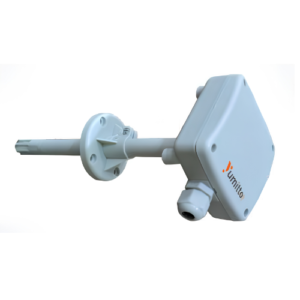

Room Temperature Transmitter: Complete Guide to Indoor Temperature Monitoring
Maintaining the right indoor temperature is important for comfort, equipment performance, energy management, and environmental control. A Room Temperature Transmitter helps measure indoor temperature and communicate temperature information to monitoring, HVAC, and automation systems.
This technology is useful across offices, commercial buildings, industrial facilities, laboratories, warehouses, and other controlled indoor environments where temperature conditions need regular or continuous observation.
Room Temperature Transmitter and Temperature Transmitter: What Are They?
A Room Temperature Transmitter measures the temperature of an indoor environment and communicates the measured information to another monitoring or control system.
Key points:
- Measures temperature in indoor environments.
- Provides temperature information for monitoring systems.
- Can support HVAC and building automation applications.
- Helps facility teams observe changing room conditions.
- Can be used across commercial, industrial, and institutional facilities.
- Supports centralized monitoring when multiple devices are installed.
A Temperature Transmitter is generally different from a basic temperature sensing element because it is intended to process and communicate measured temperature information to another system.
Room Temperature Sensor and Temperature Sensor: How Do They Work?
A Room Temperature Sensor detects the temperature surrounding the device and provides the basis for temperature measurement.
Key points:
- The sensing element responds to temperature changes.
- The measured temperature can be processed electronically.
- Temperature information can be transmitted to another system.
- Sensors can be installed at suitable indoor measurement points.
- Proper installation helps achieve representative temperature readings.
- The exact sensing technology depends on the selected product.
A Temperature Sensor may be used as an individual measurement component, while a complete transmitter can provide additional signal-processing and communication functionality.
Room Temperature Monitor: Why Is Indoor Temperature Monitoring Important?
A Room Temperature Monitor provides visibility into temperature conditions inside a room or building zone.
Important applications include:
- Monitoring room temperature continuously.
- Identifying temperature variations between different areas.
- Supporting HVAC management.
- Observing environmental trends.
- Helping facility teams investigate temperature-related complaints.
- Supporting centralized building monitoring.
- Providing temperature information for automation systems.
Continuous monitoring can be particularly useful in large facilities where manually checking every room is impractical.
Digital Temperature Transmitter: What Are Its Applications?
A Digital Temperature Transmitter uses electronic processing to measure and communicate temperature information.
Its applications can include:
- HVAC monitoring.
- Building automation.
- Indoor environmental monitoring.
- Facility management.
- Commercial building monitoring.
- Industrial environmental observation.
- Automated temperature control.
Digital temperature measurement can be integrated into modern monitoring infrastructure when the device’s communication and output specifications match the connected system.
Indoor Temperature Transmitter for Air Quality Monitoring
An Indoor Temperature Transmitter can form part of a broader indoor environmental monitoring system.
Key applications include:
- Monitoring temperature alongside humidity.
- Supporting indoor air quality assessments.
- Providing environmental data to monitoring platforms.
- Helping identify changes in room conditions.
- Supporting offices and commercial facilities.
- Integrating temperature information with other environmental sensors.
An Indoor Temperature Transmitter For Air Quality Monitoring can therefore contribute to a wider environmental monitoring strategy rather than being used only as an individual temperature measurement device.
Room Temperature Transmitter For HVAC Monitoring
HVAC systems require environmental information to understand the conditions inside different rooms and zones.
A Room Temperature Transmitter For HVAC Monitoring can support HVAC applications by providing temperature information.
Key benefits include:
- Monitoring actual room temperature.
- Supporting HVAC control strategies.
- Observing temperature differences between zones.
- Helping identify rooms with unusual temperature conditions.
- Supporting centralized HVAC monitoring.
- Providing data for building management systems.
For larger buildings, multiple temperature transmitters can be installed across different HVAC zones.
Room Temperature Transmitter For Building Automation
Building automation systems connect different building services through centralized monitoring and control infrastructure.
A Room Temperature Transmitter For Building Automation can provide temperature information to these systems.
Key applications include:
- Automated HVAC monitoring.
- Room-level temperature measurement.
- Zone-based environmental control.
- Centralized temperature monitoring.
- Building management system integration.
- Environmental trend monitoring.
The transmitter’s output and communication characteristics should always be checked for compatibility with the intended automation system.
Room Temperature Transmitter For Commercial Buildings
Commercial buildings often contain multiple rooms and zones with different environmental conditions.
A Room Temperature Transmitter For Commercial Buildings can support monitoring across:
- Offices.
- Meeting rooms.
- Reception areas.
- Retail spaces.
- Conference rooms.
- Commercial workspaces.
- Technical rooms.
- Common areas.
Multiple temperature measurement points can help facility teams understand environmental conditions throughout a larger commercial property.
Room Temperature Transmitter For Industrial Applications
Industrial facilities can require temperature monitoring in operational and support areas.
A Room Temperature Transmitter For Industrial Applications can be used for indoor environmental monitoring in suitable areas such as:
- Control rooms.
- Equipment rooms.
- Production support areas.
- Warehouses.
- Electrical rooms.
- Industrial workspaces.
- Technical facilities.
The selected transmitter should be appropriate for the environmental conditions of the installation location.
Digital Room Temperature Transmitter For HVAC Systems
A Digital Room Temperature Transmitter For HVAC Systems can provide temperature information to suitable HVAC monitoring or control infrastructure.
Important considerations include:
- Required measurement range.
- Required accuracy.
- Output type.
- Communication compatibility.
- Installation location.
- Power requirements.
- Environmental conditions.
- HVAC control-system compatibility.
Selecting the transmitter according to the HVAC system’s requirements helps support effective temperature monitoring.
Room Temperature Monitoring Transmitter For Offices
Offices can experience temperature variations because of occupancy, sunlight, room size, equipment, ventilation, and HVAC distribution.
A Room Temperature Monitoring Transmitter For Offices can support temperature observation across different workplace areas.
Key applications include:
- Individual office temperature monitoring.
- Meeting-room monitoring.
- Workspace environmental monitoring.
- HVAC zone monitoring.
- Centralized facility monitoring.
- Temperature trend observation.
This can help facility teams understand differences between various areas of a workplace.
Temperature Transmitter For Indoor Environmental Monitoring
Temperature is one of the important parameters used in indoor environmental monitoring.
A Temperature Transmitter For Indoor Environmental Monitoring can provide temperature information alongside other measurements.
These may include:
- Humidity.
- Carbon dioxide.
- Particulate matter.
- Volatile organic compounds.
- Other indoor environmental parameters.
Combining temperature data with other environmental measurements can provide a broader understanding of indoor conditions.
Room Temperature Sensor Transmitter For Control Systems
A Room Temperature Sensor Transmitter For Control Systems combines temperature sensing with communication of measured information.
Its applications can include:
- HVAC control.
- Building automation.
- Environmental control.
- Facility monitoring.
- Temperature-based automation.
- Equipment-room monitoring.
Before installation, users should verify that the transmitter’s output and communication specifications are compatible with the receiving control system.
Room Temperature Transmitter For Facility Management
Facility management teams need reliable environmental information to maintain building conditions and manage operational requirements.
A Room Temperature Transmitter For Facility Management can support:
- Room temperature monitoring.
- HVAC management.
- Environmental troubleshooting.
- Temperature trend analysis.
- Multi-zone monitoring.
- Facility operations.
- Preventive maintenance activities.
Centralized temperature information can reduce dependence on manual measurements across large facilities.
Temperature Monitoring Sensor: Common Applications
A Temperature Monitoring Sensor can be used across various indoor environments where regular temperature observation is required.
Common applications include:
- Offices.
- Commercial buildings.
- Industrial facilities.
- Laboratories.
- Warehouses.
- Hospitals.
- Educational institutions.
- Control rooms.
- Equipment rooms.
- Technical facilities.
The appropriate device should be selected according to the temperature range and environmental conditions of each application.
Temperature Measurement Transmitter: Factors Affecting Measurement
A Temperature Measurement Transmitter should be selected according to the required measurement conditions.
Important factors include:
- Measurement range.
- Measurement accuracy.
- Sensor technology.
- Installation position.
- Environmental conditions.
- Output type.
- Communication requirements.
- Power supply.
- Calibration requirements.
Correct installation is also important because nearby heat sources, direct sunlight, windows, ventilation outlets, or equipment can influence temperature measurements.
Room Temperature Detector: Indoor Monitoring Applications
A Room Temperature Detector can be used to identify and monitor temperature conditions within an indoor space.
Potential applications include:
- Office environments.
- Commercial facilities.
- HVAC zones.
- Industrial buildings.
- Warehouses.
- Technical rooms.
- Equipment areas.
- Controlled indoor environments.
Temperature detection can provide useful information for facility teams when monitoring changing environmental conditions.
Room Temperature Transmitter India: Applications Across Industries
The requirement for indoor temperature monitoring exists across different industries and facility types throughout India.
A Room Temperature Transmitter India solution can be relevant for:
- Commercial buildings.
- Industrial facilities.
- Offices.
- Warehouses.
- Laboratories.
- Healthcare facilities.
- Educational institutions.
- HVAC installations.
- Building automation projects.
The exact product should be selected according to the application, measurement requirements, installation environment, and system integration needs.
Room Temperature Sensor India: What Should Buyers Consider?
Businesses looking for a Room Temperature Sensor India should evaluate the product according to the intended application.
Important considerations include:
- Temperature measurement range.
- Accuracy requirements.
- Installation method.
- Output requirements.
- Communication compatibility.
- Environmental conditions.
- Power requirements.
- Integration with existing systems.
- Technical support.
Choosing according to actual application requirements can help avoid compatibility problems after installation.
Temperature Transmitter Supplier India: How to Select a Supplier?
A Temperature Transmitter Supplier India can assist businesses in sourcing temperature monitoring solutions for different applications.
Before selecting a supplier, consider:
- Product specifications.
- Application suitability.
- Technical support.
- Product availability.
- Installation guidance.
- System compatibility.
- After-sales support.
- Experience with environmental monitoring products.
A suitable supplier should be able to explain the technical characteristics of the product and its intended applications.
Room Temperature Transmitter Supplier Pan India: Why Nationwide Support Matters?
Organizations with facilities in multiple cities may require a Room Temperature Transmitter Supplier Pan India that can support different locations.
Potential advantages include:
- Consistent product sourcing.
- Support for multiple facilities.
- Simplified procurement.
- Technical assistance.
- Easier product standardization.
- Support for expansion projects.
- Centralized purchasing requirements.
Pan-India availability can be particularly useful for businesses operating offices, warehouses, industrial facilities, or commercial properties across different regions.
Indoor Temperature Transmitter India: Modern Environmental Monitoring
An Indoor Temperature Transmitter India solution can support modern indoor monitoring requirements across different facility types.
Key applications include:
- Indoor environmental monitoring.
- HVAC monitoring.
- Building automation.
- Facility management.
- Office monitoring.
- Commercial building monitoring.
- Industrial environmental monitoring.
Temperature measurement can also be combined with humidity, CO2, particulate matter, and other environmental parameters to create a broader monitoring system.
Benefits of Using a Room Temperature Transmitter
A Room Temperature Transmitter can provide several benefits when correctly selected and installed.
Key benefits include:
- Continuous temperature monitoring.
- Better visibility of indoor conditions.
- Support for HVAC management.
- Building automation integration.
- Multi-zone monitoring.
- Environmental trend observation.
- Facility management support.
- Reduced dependence on manual measurements.
- Improved monitoring of temperature variations.
- Support for centralized environmental data.
The actual benefits depend on the product specifications and how the transmitter is integrated into the monitoring system.
How to Choose the Right Temperature Transmitter?
Before purchasing a Temperature Transmitter, users should define their application requirements.
Consider the following:
- Determine the required temperature range.
- Define the required measurement accuracy.
- Identify the required output or communication interface.
- Check the installation location.
- Review environmental conditions.
- Confirm power requirements.
- Check compatibility with the monitoring system.
- Consider maintenance and calibration requirements.
- Verify the manufacturer’s technical specifications.
- Select the product according to the actual application.
Choosing according to these factors can help ensure better compatibility and reliable temperature monitoring.
Why Accurate Temperature Monitoring Matters
Accurate temperature monitoring can support better understanding of indoor environmental conditions.
Important reasons include:
- Temperature affects occupant comfort.
- Temperature can influence equipment conditions.
- HVAC systems depend on environmental information.
- Temperature variations can indicate environmental problems.
- Monitoring can support facility management.
- Temperature data can contribute to automation.
- Historical measurements can help identify trends.
Reliable measurement is therefore an important part of effective environmental monitoring.
Future of Room Temperature Transmitter Technology
Modern buildings are becoming increasingly connected through automation, IoT, centralized monitoring, and smart facility technologies.
Future temperature monitoring systems are expected to focus increasingly on:
- Connected environmental sensors.
- Centralized monitoring.
- Automated HVAC control.
- Energy management.
- Remote monitoring.
- Real-time environmental data.
- Multi-parameter monitoring.
- Data-based facility management.
Room temperature transmitters can provide an important measurement layer within these connected systems.
FAQs About Room Temperature Transmitter
What is a Room Temperature Transmitter?
A Room Temperature Transmitter measures indoor temperature and communicates the measured information to a monitoring, automation, or control system depending on its specifications.
What is the difference between a Temperature Sensor and Temperature Transmitter?
A Temperature Sensor detects temperature, while a Temperature Transmitter is generally designed to process and communicate the measured temperature information to another system.
Where is a Room Temperature Transmitter used?
It can be used in offices, commercial buildings, industrial facilities, laboratories, warehouses, healthcare facilities, HVAC systems, and other indoor environments.
Can a Room Temperature Transmitter be used for HVAC monitoring?
Yes. A suitable transmitter can provide temperature information for HVAC monitoring and control systems when its output and communication specifications are compatible.
What is a Digital Temperature Transmitter?
A Digital Temperature Transmitter uses electronic processing to measure and communicate temperature information. The exact features depend on the selected product.
Can multiple Room Temperature Transmitters be installed in one building?
Yes. Multiple transmitters can be installed across different rooms or zones when individual temperature measurements are required.
What should I consider before buying a Temperature Transmitter?
Consider measurement range, accuracy, output, communication interface, installation method, environmental conditions, power requirements, and compatibility with the intended monitoring or control system.
Is an Indoor Temperature Transmitter useful for offices?
Yes. It can support temperature monitoring in offices, meeting rooms, workspaces, and other indoor areas, particularly where centralized monitoring or HVAC integration is required.
Can a Room Temperature Transmitter be integrated with building automation?
Yes. Compatible transmitters can provide temperature information to building automation systems for monitoring and control applications.
Where can I find a Room Temperature Transmitter in India?
Room temperature transmitters can be sourced from environmental monitoring and instrumentation suppliers. Buyers should compare specifications, application suitability, technical support, and system compatibility before purchasing.
What is the role of temperature monitoring in facility management?
Temperature monitoring helps facility teams understand indoor conditions, observe temperature variations, support HVAC management, investigate environmental issues, and maintain better building visibility.
Can temperature monitoring be combined with other sensors?
Yes. Temperature monitoring can be combined with parameters such as humidity, CO2, particulate matter, VOCs, and other indoor environmental measurements depending on the monitoring system.