



WATER LEAK DETECTOR
Model
:
YWLD SERIES
Type
:
Pipeline
Display
:
Display Available
Aplication
- Utilize and conductive principle of water
- Available in two types
- cable and Electrode type
- Integrated with Various monitoring system

Specification

Ordering Guide


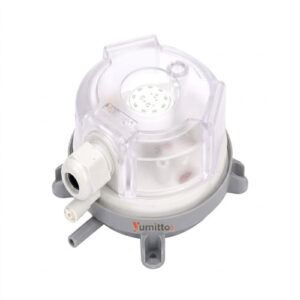

Water Leak Detector: Complete Guide to Water Leak Detection Systems
Water leakage can cause significant damage to homes, offices, commercial properties, factories, warehouses, pipelines, water tanks, and other facilities if it is not detected early. A Water Leak Detector is designed to identify unwanted water presence or leakage and provide an alert so that corrective action can be taken quickly. Modern water leak detection solutions can include sensors, alarms, monitoring units, and automated systems that help reduce water wastage, property damage, maintenance costs, and operational interruptions. From residential kitchens and bathrooms to industrial pipelines and large commercial buildings, choosing the right Water Leak Detector can provide an effective way to monitor vulnerable areas and respond to leaks before they become major problems.
Water Leak Detector
- A Water Leak Detector is an electronic or sensor-based device used to identify the presence of unwanted water or leakage in a specific area.
- It can be installed near pipelines, water tanks, pumps, bathrooms, kitchens, HVAC systems, equipment rooms, and other locations where water leakage may occur.
- Depending on the application, a Water Leak Detector may provide an audible alarm, visual notification, remote alert, or connection to a building management system.
- Early detection helps users respond to leakage before water spreads to larger areas.
- Residential, commercial, institutional, and industrial facilities can use water leak detection technology for preventive monitoring.
- A reliable Water Leak Detector can become an important component of a broader property protection and water management strategy.
Water Leak Sensor
- A Water Leak Sensor detects water when it comes into contact with its sensing element.
- Sensors can be positioned in areas where leakage is likely to occur.
- Common installation points include under sinks, near water heaters, beside pumps, beneath pipelines, and around storage tanks.
- Some systems use multiple sensors connected to a central monitoring unit.
- Wireless models can simplify installation where extensive cabling is inconvenient.
- A Water Leak Sensor can be particularly useful for continuous monitoring of areas that are difficult to inspect manually.
Water Leakage Detector
- A Water Leakage Detector helps identify unwanted water accumulation or leakage at an early stage.
- Detection technology can vary depending on the equipment, environment, and required sensitivity.
- Some detectors are designed for localized water presence, while advanced systems can monitor larger areas.
- Industrial installations may use specialized sensing cables or multiple detection points.
- Residential detectors are generally compact and easy to install.
- Selecting the appropriate Water Leakage Detector depends on the location, expected leakage source, monitoring area, and required alert method.
Leak Detection System
- A Leak Detection System combines sensing and alerting components to monitor a defined area for water leakage.
- A typical system may include sensors, a controller, communication components, and an alarm or notification mechanism.
- Larger facilities may integrate leak detection with building management or automation systems.
- Multiple sensing points can provide broader coverage than a single standalone detector.
- System configuration should consider the size of the area and the number of potential leakage sources.
- Preventive monitoring through a Leak Detection System can support faster maintenance response.
Water Leak Alarm
- A Water Leak Alarm alerts occupants or facility personnel when water is detected.
- Audible alarms can immediately draw attention to a leakage event.
- Visual indicators can provide an additional warning.
- Connected systems may also send notifications through supported communication platforms.
- An alarm is especially useful in locations where leakage might otherwise remain unnoticed for extended periods.
- A Water Leak Alarm can therefore complement routine inspection and maintenance procedures.
Leak Sensor
- A Leak Sensor is a sensing component designed to detect the presence of water.
- It can be installed near potential leakage points such as pipes, valves, tanks, pumps, and appliances.
- Multiple sensors can be connected to one monitoring system when several areas require protection.
- Sensor placement is important because the sensor must be positioned where leaked water is likely to reach it.
- Regular inspection can help ensure that the sensing surface remains clean and functional.
- A suitable Leak Sensor can provide an additional layer of protection against unexpected water leakage.
Water Leak Detection
- Water Leak Detection refers to the process of identifying unwanted water leakage as early as possible.
- It can involve standalone sensors, connected monitoring systems, sensing cables, or automated detection equipment.
- Early detection allows maintenance teams or property owners to investigate the source promptly.
- Water leak detection can help reduce the duration of uncontrolled leakage.
- It can also support preventive maintenance programs by identifying recurring leakage locations.
- Effective Water Leak Detection depends on correct sensor selection, installation, testing, and maintenance.
Pipe Leak Detector
- A Pipe Leak Detector is used to help identify leakage associated with water pipelines.
- Pipe-related leakage can occur because of damaged joints, corrosion, mechanical failure, pressure-related issues, or aging infrastructure.
- Detection requirements differ between residential plumbing and industrial pipeline networks.
- Industrial environments may require multiple monitoring points across extensive pipe networks.
- Proper positioning of sensors can improve the chances of identifying leakage quickly.
- A Pipe Leak Detector can support maintenance teams by providing an early indication that a pipeline requires inspection.
Water Leakage Sensor
- A Water Leakage Sensor detects water at designated monitoring points.
- Sensors can be installed beneath equipment, around tanks, close to plumbing connections, or along areas vulnerable to water accumulation.
- Different sensor designs are available for different environments and installation requirements.
- Wireless sensors can reduce the need for signal cables in suitable applications.
- Wired sensors may be preferred where reliable fixed connections are required.
- A Water Leakage Sensor can form the basic detection layer of a complete monitoring solution.
Leak Detection Device
- A Leak Detection Device is designed to identify water leakage and communicate an alert.
- Compact devices can be suitable for homes, offices, server rooms, utility areas, and small commercial premises.
- More advanced devices may support multiple sensors and remote communication.
- Choosing a device should involve consideration of detection range, response method, installation environment, and maintenance requirements.
- A reliable Leak Detection Device can help reduce the time between leakage occurrence and human intervention.
- Regular testing is recommended to verify that the device responds correctly.
Best Water Leak Detector for Home
- The Best Water Leak Detector for Home depends on the property’s layout, plumbing arrangement, risk areas, and monitoring requirements.
- Homes can experience leakage from sinks, washing machines, water heaters, bathrooms, toilets, refrigerators, and plumbing connections.
- A compact detector with a local alarm may be suitable for basic residential protection.
- Connected detectors can provide notifications when occupants are away from home.
- Battery life and ease of installation are important considerations for wireless residential devices.
- When choosing the Best Water Leak Detector for Home, homeowners should consider sensor placement, alert options, reliability, and maintenance requirements.
Water Leak Detector for Industrial Applications
- A Water Leak Detector for Industrial Applications may need to operate in demanding environments and cover multiple potential leakage points.
- Industrial facilities can contain pipelines, pumps, tanks, cooling systems, processing equipment, and other water-related infrastructure.
- A detection system may use multiple sensors connected to a central controller.
- Depending on the application, facilities may require remote alerts or integration with existing automation systems.
- Installation should account for environmental conditions and access for maintenance.
- A Water Leak Detector for Industrial Applications can support preventive maintenance and reduce the impact of undetected water leakage.
Water Leakage Detection System for Buildings
- A Water Leakage Detection System for Buildings can monitor areas such as basements, utility rooms, bathrooms, plant rooms, kitchens, and mechanical spaces.
- Large buildings may have numerous potential water leakage sources.
- A centralized monitoring arrangement can make it easier for facility teams to identify an affected area.
- Sensors can be positioned at locations where leakage is most likely to occur.
- Alarm notifications can help maintenance personnel respond more quickly.
- A Water Leakage Detection System for Buildings can be incorporated into broader facility monitoring strategies.
Smart Water Leak Detector with Alarm
- A Smart Water Leak Detector with Alarm combines water sensing with an alert mechanism.
- Smart models may support connected monitoring depending on the product design.
- Notifications can help users become aware of leakage even when they are not physically near the monitored area.
- Some solutions can support multiple connected sensors.
- Smart monitoring can be useful for homes, offices, retail spaces, and other properties where unattended leakage could cause damage.
- A Smart Water Leak Detector with Alarm can provide both local awareness and connected monitoring when supported by the system.
Water Leak Sensor for Pipeline Monitoring
- A Water Leak Sensor for Pipeline Monitoring is designed to help monitor water-related infrastructure.
- Pipeline monitoring can be important in manufacturing facilities, utilities, commercial complexes, and other large installations.
- Detection arrangements can vary according to pipeline size, layout, accessibility, and operating conditions.
- Multiple monitoring points may be required for extensive pipeline networks.
- Maintenance teams can use detection alerts as an indication that a particular section requires investigation.
- A Water Leak Sensor for Pipeline Monitoring can therefore contribute to proactive infrastructure maintenance.
Automatic Water Leak Detection System
- An Automatic Water Leak Detection System continuously monitors designated areas without requiring constant manual inspection.
- Automatic monitoring can reduce reliance on periodic visual checks.
- Sensors can remain active and provide an alert when water reaches a detection point.
- Larger systems can incorporate several sensors across different zones.
- Automated alerts can help maintenance teams respond according to predefined procedures.
- An Automatic Water Leak Detection System is useful when continuous monitoring is required.
Water Leak Detector for Commercial Buildings
- A Water Leak Detector for Commercial Buildings can be used in offices, hotels, shopping facilities, hospitals, educational facilities, warehouses, and other commercial properties.
- Commercial buildings often contain extensive plumbing and water-based equipment.
- Leakage in concealed or rarely occupied areas can remain unnoticed without monitoring.
- Detectors can be installed in washrooms, utility rooms, mechanical rooms, server areas, and other vulnerable locations.
- Centralized alerts can help facility teams coordinate inspection and maintenance.
- A Water Leak Detector for Commercial Buildings can support property protection and operational continuity.
Wireless Water Leak Detection Sensor
- A Wireless Water Leak Detection Sensor communicates detection information without requiring a conventional wired sensor connection.
- Wireless technology can make installation easier in certain existing buildings.
- Battery-powered sensors can be positioned at individual leakage risk points.
- Wireless connectivity may be particularly useful where installing new cables is difficult.
- Battery condition and communication reliability should be considered during system selection.
- A Wireless Water Leak Detection Sensor can provide flexible monitoring for suitable residential and commercial applications.
Water Leakage Detector for Water Tanks
- A Water Leakage Detector for Water Tanks helps identify unwanted water escaping from or accumulating around tank installations.
- Tanks can be located indoors, outdoors, on rooftops, in basements, or in dedicated utility areas.
- Leakage may result from damaged connections, fittings, valves, tank surfaces, or associated plumbing.
- Detection equipment should be installed according to the tank configuration and expected leakage path.
- Routine inspection remains important even when an automated detector is installed.
- A Water Leakage Detector for Water Tanks can provide an additional monitoring layer around storage infrastructure.
Industrial Water Leak Detection System
- An Industrial Water Leak Detection System is designed for facilities where water leakage can affect equipment, operations, inventory, or infrastructure.
- Manufacturing plants, processing facilities, data centers, warehouses, and utility areas may have different monitoring requirements.
- Industrial systems can incorporate multiple sensors and centralized controllers.
- Integration with facility alarms or monitoring platforms may be possible depending on the system.
- Environmental factors such as temperature, dust, moisture, chemicals, and mechanical activity should be considered during installation.
- An Industrial Water Leak Detection System can support systematic monitoring across high-risk industrial areas.
Water Leak Detector Supplier in India
- A Water Leak Detector Supplier in India can provide detection products for residential, commercial, institutional, and industrial requirements.
- Buyers should evaluate product specifications, sensor compatibility, installation requirements, and after-sales support.
- Suppliers may offer standalone detectors as well as complete detection systems.
- For industrial projects, technical consultation can help identify appropriate sensing arrangements.
- Product availability, delivery support, installation assistance, and warranty terms can also be considered.
- Selecting a suitable Water Leak Detector Supplier in India can simplify the process of sourcing and implementing a leak monitoring solution.
Water Leak Detector Manufacturer in India
- A Water Leak Detector Manufacturer in India may develop and supply equipment for different water monitoring applications.
- Manufacturers can offer different sensor types, controllers, alarms, and system configurations.
- Customization may be available for specialized industrial or commercial projects.
- Technical documentation can help users understand installation, operation, and maintenance requirements.
- Buyers should review specifications and application suitability before selecting equipment.
- A Water Leak Detector Manufacturer in India can be a useful source for organizations requiring dedicated detection solutions.
Water Leakage Detection System in India
- A Water Leakage Detection System in India can be used across homes, offices, factories, warehouses, hotels, hospitals, educational facilities, and infrastructure projects.
- India’s wide range of building types creates different requirements for water leakage monitoring.
- Residential applications may prioritize compact sensors and easy installation.
- Commercial and industrial projects may require multiple sensors and centralized monitoring.
- System selection should be based on the property’s actual leakage risks rather than relying solely on general specifications.
- A Water Leakage Detection System in India can support proactive water management and facility maintenance.
Water Leak Sensor Supplier Across India
- A Water Leak Sensor Supplier Across India can help organizations source sensors for different locations and applications.
- Multi-location businesses may require consistent equipment across several facilities.
- Standardized sensors can simplify training, maintenance, and replacement procedures.
- Buyers should verify compatibility between sensors, controllers, communication systems, and alarms.
- Reliable technical support can be important for larger deployments.
- Working with a Water Leak Sensor Supplier Across India can help streamline procurement for geographically distributed facilities.
Industrial Water Leak Detector in India
- An Industrial Water Leak Detector in India can be used in manufacturing plants, warehouses, utility facilities, commercial infrastructure, and other industrial environments.
- Industrial leakage monitoring should account for the facility’s specific water systems and operational conditions.
- Detection points can be established near pumps, tanks, pipelines, machinery, and utility rooms.
- Centralized monitoring can help maintenance teams manage alerts from multiple areas.
- Installation should be performed according to the manufacturer’s specifications and site requirements.
- An Industrial Water Leak Detector in India can form part of a preventive maintenance strategy for facilities with significant water-related infrastructure.
Why Is Water Leak Detection Important?
- Water leakage can remain unnoticed when it occurs in concealed spaces or areas with limited human activity.
- Continuous monitoring can identify water presence sooner than periodic visual inspections.
- Early alerts can give occupants or maintenance teams an opportunity to investigate the problem.
- Leak monitoring can help reduce unnecessary water loss.
- It can also help protect floors, walls, ceilings, equipment, electrical installations, and stored materials from prolonged water exposure.
- Businesses can use detection systems as part of broader facility maintenance and risk-management procedures.
Where Should a Water Leak Detector Be Installed?
- Under sinks and wash basins where plumbing connections may develop leaks.
- Near water heaters and boilers where applicable.
- Around pumps, valves, and pipeline joints.
- Near water storage tanks and associated connections.
- In basements and utility rooms where water accumulation may go unnoticed.
- Around HVAC or cooling equipment where condensation or water-related failures may occur.
- Near washing machines and other water-connected appliances.
- In commercial and industrial areas containing critical water infrastructure.
How Does a Water Leak Detector Work?
- A sensor is positioned at a location where leaked water is expected to collect or pass.
- When water reaches the sensing element, the detector identifies the change in its sensing condition.
- The monitoring unit processes the signal.
- The system then activates an alarm or sends a notification, depending on its configuration.
- More advanced systems may identify individual sensor locations.
- Maintenance personnel can then inspect the relevant area and address the source of leakage.
- The exact detection method and communication features depend on the product and system design.
Benefits of Using a Water Leak Detector
- Helps identify water leakage at an early stage.
- Supports faster response to unexpected water presence.
- Can reduce prolonged water exposure to property and equipment.
- Helps monitor difficult-to-access areas.
- Can support preventive maintenance programs.
- May reduce unnecessary water wastage.
- Can provide audible or remote alerts depending on system capabilities.
- Multiple sensors can provide coverage across larger facilities.
- Wireless options can simplify installation in suitable environments.
- Integration capabilities can support centralized facility monitoring.
How to Choose the Right Water Leak Detector
- Identify the locations where leakage is most likely to occur.
- Determine whether a standalone sensor or multi-point detection system is required.
- Consider whether wired or wireless installation is more suitable.
- Check the required alarm and notification methods.
- Review the operating environment before selecting the equipment.
- Consider the number of sensors required for complete coverage.
- Check compatibility between sensors, controllers, alarms, and communication modules.
- Review installation and maintenance requirements.
- For industrial projects, evaluate whether the detector is suitable for the facility’s environmental conditions.
- Choose equipment based on documented specifications and the actual application.
Water Leak Detector Maintenance
- Test detectors periodically to confirm that they respond correctly.
- Keep sensing elements clean and free from material that could interfere with detection.
- Replace batteries according to the manufacturer’s recommendations for wireless products.
- Inspect cables and connections in wired installations.
- Verify that alarms and notifications are functioning correctly.
- Review sensor positioning after renovations or changes to plumbing systems.
- Record testing and maintenance activities for larger commercial and industrial installations.
- Promptly investigate repeated alerts rather than simply resetting the system.
Water Leak Detector for Preventive Maintenance
- A water leak detection solution can be incorporated into a preventive maintenance program.
- Repeated alerts in the same location may indicate an underlying plumbing or equipment issue.
- Maintenance teams can use alert records to identify areas requiring closer inspection.
- Regular monitoring can complement scheduled plumbing inspections.
- Facilities can establish response procedures for different types of leakage events.
- Combining detection technology with routine maintenance can create a more structured approach to water-related risks.
Water Leak Detector for Homes and Offices
- Homes and offices can benefit from monitoring in kitchens, bathrooms, utility rooms, and other water-connected areas.
- Compact detectors can be placed near individual risk points.
- Offices can additionally monitor equipment rooms, pantry areas, washrooms, and utility spaces.
- Wireless products may be convenient for existing buildings where new wiring is difficult.
- Connected alerts can help users respond when the monitored location is unattended.
- A properly positioned Water Leak Detector can provide an additional layer of protection without requiring continuous manual observation.
Water Leak Detector for Industrial and Commercial Facilities
- Industrial and commercial facilities often have more extensive water infrastructure than residential properties.
- Multiple detection zones may therefore be necessary.
- Centralized monitoring can help maintenance teams identify the affected location.
- Detection systems can be positioned near pipelines, tanks, pumps, machinery, and utility equipment.
- Facilities should establish procedures for responding to alarms and inspecting affected areas.
- The appropriate Water Leak Detector should be selected according to the site’s monitoring requirements and environmental conditions.
FAQs About Water Leak Detector
What is a Water Leak Detector?
- A Water Leak Detector is a device that detects the presence of unwanted water and provides an alert when water reaches its sensing area.
- It can be used in residential, commercial, and industrial locations.
- Depending on the product, alerts may be local or remotely communicated.
Where can a Water Leak Detector be used?
- It can be used near sinks, pipelines, tanks, pumps, bathrooms, kitchens, HVAC equipment, utility rooms, basements, and other areas vulnerable to leakage.
- Industrial systems can monitor larger areas with multiple sensors.
Can a Water Leak Detector prevent water leakage?
- A detector generally identifies leakage rather than physically stopping the water source.
- Its primary purpose is to provide an early warning.
- Automatic shut-off functionality may be available as a separate or integrated feature in some systems.
Is a wireless Water Leak Detector useful?
- Wireless detectors can be useful where installing signal cables is difficult.
- They can provide flexible placement at multiple monitoring points.
- Battery life and wireless communication reliability should be considered before installation.
How many water leak sensors are required?
- The required number depends on the property’s size, plumbing layout, number of risk points, and detection coverage requirements.
- A small home may need only a few sensors, while a commercial or industrial facility may require many monitoring points.
How often should a Water Leak Detector be tested?
- Testing frequency should follow the manufacturer’s recommendations and the site’s maintenance procedures.
- Regular testing helps verify that sensors, alarms, communication, and power systems are functioning correctly.
Can water leak detectors be used in industrial environments?
- Yes, suitable detection systems can be used in industrial environments.
- Industrial installations should consider environmental conditions, monitoring coverage, sensor type, system integration, and maintenance requirements.
What should I consider when buying a Water Leak Detector?
- Consider detection technology, sensing range, installation method, alarm type, connectivity, power requirements, environmental suitability, number of sensors, and after-sales support.
- For large projects, technical consultation can help determine the appropriate system configuration.
Conclusion
Water leakage can develop in homes, offices, commercial buildings, warehouses, factories, utility rooms, pipelines, and water storage areas. A Water Leak Detector provides an effective way to monitor vulnerable locations and receive an early indication of unwanted water presence. From a simple residential sensor to a multi-zone industrial monitoring solution, the appropriate detection technology depends on the property’s size, leakage risks, installation environment, and monitoring requirements. Businesses and property owners can use water leak detection as part of a broader preventive maintenance strategy to support faster response, reduce water wastage, and help protect valuable infrastructure.
Choose Yumitto for Water Leak Detection Solutions
- If you are looking for dependable water leakage monitoring solutions, Yumitto can help you explore suitable options for residential, commercial, and industrial applications.
- Whether you need a standalone Water Leak Detector, multiple sensors, or a larger monitoring solution, selecting the right equipment starts with understanding your application’s requirements.
- Contact Yumitto to discuss your water leakage detection requirements and identify a suitable solution for your facility.
- Protect your property, monitor vulnerable areas, and respond to water leakage faster with Yumitto.