



DUCT CARBON MONOXIDE DETECTOR
Model
:
YCOD-SERIES
Type
:
Duct
Display
:
Display Available
Aplication
- Basement Ventilation
- Parking garages
- Boiler rooms
- Mines and marine environments
- Oil and gas industries
- Semiconductor manufacturing facilities

Specification

Ordering Guide


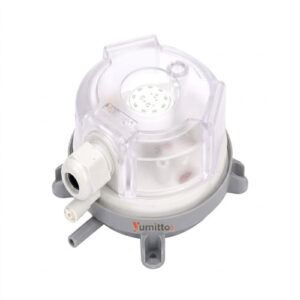

Duct Carbon Monoxide Detector: Complete Guide for HVAC and Air Monitoring
A Duct Carbon Monoxide Detector is a specialized environmental monitoring solution designed to detect carbon monoxide within air ducts, ventilation pathways, and HVAC-related environments. Carbon monoxide is a colorless and odorless gas that can be produced by combustion equipment, fuel-burning appliances, generators, boilers, vehicles, and industrial processes. Monitoring CO within air distribution systems can help facility teams understand air-quality conditions and support appropriate ventilation and building-management practices. A Duct Carbon Monoxide Detector can therefore be considered for commercial buildings, industrial facilities, air-handling units, ventilation systems, and other applications where duct-based carbon monoxide monitoring is required.
Duct Carbon Monoxide Detector
- A Duct Carbon Monoxide Detector is designed for carbon monoxide monitoring in ducted air and ventilation environments.
- It provides a dedicated approach to detecting CO where air moves through HVAC or ventilation systems.
- A Duct Carbon Monoxide Detector can be considered for commercial buildings, industrial facilities, offices, and other controlled environments.
- Duct-based monitoring can help facility teams understand carbon monoxide conditions within an air distribution pathway.
- The detector can complement temperature, humidity, particulate, VOC, and other environmental sensors.
- Proper installation should consider duct configuration, airflow, potential CO sources, and manufacturer recommendations.
- A Duct Carbon Monoxide Detector may support centralized environmental monitoring when compatible outputs or communication interfaces are available.
- The device should be selected according to the required monitoring range and application conditions.
- Regular inspection and maintenance are important for continued monitoring performance.
- A Duct Carbon Monoxide Detector should complement proper ventilation and maintenance rather than replace them.
Duct CO Detector
- A Duct CO Detector is designed to monitor carbon monoxide within an air duct or ventilation pathway.
- It can be useful where air movement makes duct-level environmental monitoring relevant.
- HVAC systems can distribute air across multiple areas, making appropriate monitoring an important consideration in selected applications.
- A Duct CO Detector can provide a dedicated measurement point within the ventilation infrastructure.
- It may be connected with compatible building-management or environmental monitoring systems.
- Installation requirements depend on duct design, airflow characteristics, and equipment specifications.
- Facility teams can use CO information alongside other HVAC parameters.
- A Duct CO Detector should be maintained according to the manufacturer’s instructions.
- The device should be selected according to the application rather than based solely on general CO detection requirements.
- Proper system design helps ensure that duct monitoring provides useful environmental information.
Carbon Monoxide Detector
- A Carbon Monoxide Detector is designed to detect carbon monoxide in a specific environment.
- Traditional CO detection may be installed in rooms, while specialized solutions can monitor air ducts.
- A Duct Carbon Monoxide Detector is particularly relevant when carbon monoxide monitoring needs to be associated with an HVAC or ventilation pathway.
- Carbon monoxide can originate from combustion sources such as boilers, generators, heating equipment, and engines.
- Dedicated detection helps provide awareness of CO conditions.
- Carbon Monoxide Detectors can be used across residential, commercial, industrial, and institutional applications.
- Selection should consider environmental conditions, required sensing range, installation method, and system integration.
- Regular inspection and maintenance support dependable monitoring.
- The detector should be installed according to manufacturer recommendations.
- Carbon monoxide monitoring should form part of a broader environmental and building-safety strategy.
CO Detector
- A CO Detector is a device designed specifically for carbon monoxide detection.
- It can be used in different environments depending on its construction and application specifications.
- A Duct Carbon Monoxide Detector is designed to address monitoring requirements associated with ducted air.
- CO detection can be useful around combustion-related equipment and ventilation systems.
- The detector may provide local monitoring or support integration with a wider system.
- Facility managers can evaluate CO information together with other environmental parameters.
- Installation should be performed according to technical and manufacturer guidance.
- The selected detector should be compatible with the intended operating environment.
- Regular testing and maintenance should be incorporated into the monitoring program.
- A CO Detector can complement ventilation and equipment-maintenance procedures.
Duct CO Sensor
- A Duct CO Sensor is designed to sense carbon monoxide within an air duct or ventilation environment.
- It can provide dedicated CO information for HVAC and building-monitoring applications.
- A Duct Carbon Monoxide Detector may incorporate a specialized CO sensing element for this purpose.
- The sensor location can influence the quality and usefulness of monitoring data.
- Installation should account for airflow, duct dimensions, potential emission sources, and system design.
- Duct CO sensing can be combined with temperature and humidity monitoring.
- Facility teams can use the resulting information as part of environmental monitoring workflows.
- Sensor maintenance and calibration should follow manufacturer recommendations.
- The Duct CO Sensor should be selected based on the required range and operating conditions.
- Proper integration can make duct CO information available to centralized monitoring platforms.
Carbon Monoxide Sensor
- A Carbon Monoxide Sensor is the sensing component used to identify or measure carbon monoxide.
- Sensor technology is an important part of any CO monitoring system.
- A Duct Carbon Monoxide Detector can use dedicated sensing technology suitable for duct environments.
- Carbon Monoxide Sensors can support HVAC, industrial, commercial, and indoor environmental monitoring applications.
- The sensor should be suitable for the temperature, humidity, airflow, and other environmental conditions of the installation location.
- Appropriate calibration and maintenance can support reliable sensing performance.
- Sensor outputs may be used by compatible monitoring or automation systems.
- The required sensor range should be considered before selecting equipment.
- A Carbon Monoxide Sensor can be integrated with broader environmental monitoring solutions.
- Correct installation is important for obtaining useful CO monitoring information.
Duct Gas Detector
- A Duct Gas Detector is designed for monitoring a specific gas within a duct or ventilation pathway.
- When configured for carbon monoxide, it can provide dedicated CO monitoring within air-moving systems.
- A Duct Carbon Monoxide Detector can be considered where duct-level gas detection is required.
- HVAC and ventilation systems may require specialized monitoring depending on the facility and potential gas sources.
- The detector can support environmental monitoring in commercial and industrial buildings.
- It may work alongside other gas sensors for broader environmental assessment.
- The installation position should be selected according to system design and manufacturer recommendations.
- The required gas type should be clearly identified before purchasing a detector.
- Maintenance and calibration requirements should be reviewed in advance.
- A Duct Gas Detector should always be selected according to the actual application.
CO Gas Detector
- A CO Gas Detector is designed specifically for carbon monoxide gas detection.
- It can be used in areas where combustion-related sources create a need for dedicated CO monitoring.
- A Duct Carbon Monoxide Detector can provide this monitoring within a duct or ventilation system.
- Applications may include HVAC systems, air-handling installations, industrial facilities, and commercial buildings.
- CO monitoring can complement ventilation and building-management systems.
- The detector should be suitable for the environmental conditions of the installation.
- Compatible communication options may allow monitoring data to be incorporated into centralized systems.
- Proper maintenance is necessary for continued monitoring performance.
- Facility operators should follow manufacturer recommendations for installation and servicing.
- A CO Gas Detector can provide focused information about carbon monoxide conditions.
Duct Carbon Monoxide Sensor
- A Duct Carbon Monoxide Sensor is intended for detecting carbon monoxide within ducted airflow.
- It can support continuous monitoring in HVAC and ventilation environments.
- A Duct Carbon Monoxide Detector may use such a sensor as its primary sensing element.
- Duct monitoring can be valuable when air is distributed through centralized ventilation systems.
- The sensor can help provide CO-specific environmental information.
- It may be combined with other sensors for temperature, humidity, pressure, particulate matter, or VOC monitoring.
- Correct positioning is important for meaningful monitoring.
- The sensor should be selected according to duct conditions and application requirements.
- Calibration and maintenance should follow the manufacturer’s recommended schedule.
- A Duct Carbon Monoxide Sensor can support modern building environmental monitoring systems.
Digital CO Detector
- A Digital CO Detector provides electronic monitoring of carbon monoxide conditions.
- Digital monitoring can make sensor information easier to process and integrate into environmental monitoring systems.
- A Duct Carbon Monoxide Detector can be configured for applications where digital CO monitoring is required.
- Digital outputs or communication interfaces may support connection with compatible control platforms.
- HVAC systems can combine CO data with temperature, humidity, pressure, and other operational parameters.
- Digital monitoring can support centralized facility-management workflows.
- Product compatibility should be confirmed before integration.
- Installation should follow technical documentation and manufacturer instructions.
- Regular maintenance remains important even when monitoring is digitally automated.
- A Digital CO Detector can provide a practical component for modern environmental monitoring.
Duct Carbon Monoxide Detector For HVAC Systems
- A Duct Carbon Monoxide Detector For HVAC Systems is designed to support CO monitoring within ducted air environments.
- HVAC systems move air through defined pathways, making duct-based monitoring useful for selected applications.
- A Duct Carbon Monoxide Detector can help monitor carbon monoxide conditions within these pathways.
- It may support commercial buildings, industrial facilities, offices, and other HVAC-controlled spaces.
- CO information can be considered alongside temperature, humidity, pressure, and airflow data.
- Compatible outputs may allow the detector to communicate with building-management systems.
- Installation should consider airflow direction and duct configuration.
- The detector should be selected according to HVAC operating conditions.
- Routine inspection helps maintain the monitoring system.
- A Duct Carbon Monoxide Detector can complement broader HVAC environmental management practices.
Duct CO Detector For Air Handling Units
- A Duct CO Detector For Air Handling Units can provide dedicated carbon monoxide monitoring around air-handling systems.
- Air handling units distribute and condition air across commercial and industrial facilities.
- A Duct Carbon Monoxide Detector can monitor CO within suitable duct sections connected to these systems.
- The detector can support facility teams in tracking specific gas conditions.
- Placement should account for airflow and the design of the air-handling unit.
- CO monitoring can be combined with other environmental parameters.
- Integration options depend on the detector’s available outputs and communication protocols.
- Maintenance requirements should be incorporated into the facility’s monitoring program.
- Technical specifications should be reviewed before installation.
- A suitable Duct CO Detector can support structured monitoring around air-handling equipment.
Duct Carbon Monoxide Sensor For HVAC Monitoring
- A Duct Carbon Monoxide Sensor For HVAC Monitoring provides dedicated CO sensing within air distribution systems.
- It can be used where HVAC-related environmental monitoring requires carbon monoxide information.
- A Duct Carbon Monoxide Detector can provide a fixed monitoring point within the duct network.
- CO data can complement temperature, humidity, pressure, and airflow measurements.
- The sensor can support building-management teams in observing environmental conditions.
- Proper installation depends on duct layout and system airflow.
- Sensor specifications should match the intended operating environment.
- Regular calibration or servicing should follow manufacturer recommendations.
- The monitoring system may be integrated with compatible HVAC control platforms.
- A Duct Carbon Monoxide Sensor can support more comprehensive HVAC environmental monitoring.
Carbon Monoxide Detector For Air Ducts
- A Carbon Monoxide Detector For Air Ducts is designed to monitor CO within ducted airflow.
- It differs from general room-based detection because the monitoring point is associated with an air distribution pathway.
- A Duct Carbon Monoxide Detector can be used in HVAC and ventilation applications.
- Duct monitoring can provide information about carbon monoxide conditions within the moving air.
- It may be suitable for commercial, industrial, institutional, and other appropriate facilities.
- Installation should be based on duct design and manufacturer recommendations.
- The detector can potentially connect with centralized environmental monitoring systems.
- Maintenance should be performed according to the equipment specifications.
- The selected detector should match the required CO monitoring range.
- A Carbon Monoxide Detector For Air Ducts can complement other building environmental sensors.
Duct CO Sensor For Building Automation
- A Duct CO Sensor For Building Automation can provide carbon monoxide information to compatible building-management systems.
- Building automation systems often collect environmental data from multiple sensors.
- A Duct Carbon Monoxide Detector can serve as a dedicated CO monitoring point.
- CO information can be combined with HVAC, temperature, humidity, pressure, and air-quality data.
- Compatible communication interfaces are important for system integration.
- The sensor should be selected according to the automation platform and monitoring requirements.
- Proper installation helps maintain useful sensor readings.
- Facility teams can use centralized data for environmental monitoring workflows.
- Maintenance should remain part of the automation system’s operational plan.
- A Duct CO Sensor can add gas-specific information to automated building monitoring.
Duct Carbon Monoxide Detector For Ventilation Systems
- A Duct Carbon Monoxide Detector For Ventilation Systems can support CO monitoring within ventilation pathways.
- Ventilation systems are designed to move and manage air within buildings.
- Monitoring CO within these systems can provide useful environmental information in suitable applications.
- A Duct Carbon Monoxide Detector can be installed at an appropriate point within the ventilation network.
- Potential applications include commercial buildings, industrial facilities, workshops, and other enclosed environments.
- The detector can complement ventilation management and indoor air-quality monitoring.
- Placement should consider airflow characteristics and possible CO sources.
- Technical specifications should be reviewed before deployment.
- Regular maintenance supports reliable operation.
- A Duct Carbon Monoxide Detector can become part of a broader ventilation monitoring strategy.
CO Gas Detector For HVAC Duct Monitoring
- A CO Gas Detector For HVAC Duct Monitoring provides focused carbon monoxide detection within HVAC ductwork.
- It can support facilities where air movement and combustion-related sources create a need for duct-level CO monitoring.
- A Duct Carbon Monoxide Detector can provide dedicated sensing for this application.
- Monitoring data may be combined with other HVAC parameters.
- Suitable communication interfaces can support centralized monitoring.
- The detector should be installed according to manufacturer specifications.
- Duct conditions such as temperature, humidity, airflow, and access should be evaluated before installation.
- Regular maintenance helps support monitoring reliability.
- The equipment should be appropriate for the specific HVAC environment.
- A CO Gas Detector can complement the facility’s broader environmental monitoring infrastructure.
Duct Carbon Monoxide Sensor For Indoor Air Quality
- A Duct Carbon Monoxide Sensor For Indoor Air Quality provides CO-specific information within an air distribution system.
- Indoor air quality involves multiple parameters, including gases, particulate matter, temperature, and humidity.
- A Duct Carbon Monoxide Detector can add carbon monoxide monitoring to a broader indoor environmental monitoring system.
- It can be useful in offices, commercial buildings, institutions, and industrial facilities.
- Duct monitoring can provide information about air conditions within ventilation pathways.
- The sensor should be selected based on environmental conditions and required monitoring specifications.
- Proper positioning can improve the usefulness of collected data.
- CO monitoring should complement appropriate ventilation practices.
- Regular maintenance should be included in the monitoring plan.
- A Duct Carbon Monoxide Sensor can contribute to a more comprehensive indoor air-quality strategy.
Digital Duct CO Detector For Building Management
- A Digital Duct CO Detector For Building Management can provide electronic CO monitoring for centralized facility systems.
- Building-management systems often monitor several environmental and operational parameters.
- A Duct Carbon Monoxide Detector can supply dedicated carbon monoxide information.
- Digital outputs can support integration where compatible interfaces are available.
- Facility managers can monitor CO alongside HVAC and indoor environmental parameters.
- The detector can be considered for offices, commercial properties, industrial buildings, and institutional facilities.
- System compatibility should be confirmed before deployment.
- Installation should follow the manufacturer’s technical requirements.
- Maintenance and calibration remain important for long-term monitoring.
- A Digital Duct CO Detector can support organized environmental monitoring within modern building-management systems.
Duct Carbon Monoxide Detector For Commercial Buildings
- A Duct Carbon Monoxide Detector For Commercial Buildings can support CO monitoring across offices, retail properties, hotels, institutions, and commercial facilities.
- Commercial buildings may contain generators, boilers, parking areas, heating equipment, and other potential CO sources.
- A Duct Carbon Monoxide Detector can provide monitoring within appropriate HVAC or ventilation pathways.
- Multiple monitoring points may be considered for larger facilities.
- CO information can complement building-management and indoor air-quality systems.
- Facility teams can evaluate monitoring data alongside other environmental parameters.
- Installation should consider building layout and duct configuration.
- Maintenance requirements should be incorporated into facility procedures.
- Product selection should be based on technical specifications and the intended environment.
- A Duct Carbon Monoxide Detector can support structured environmental monitoring in commercial facilities.
Duct Carbon Monoxide Detector India
- A Duct Carbon Monoxide Detector India solution can support HVAC and ventilation monitoring requirements across different facility types.
- Indian commercial and industrial buildings can have diverse ventilation designs and operating conditions.
- A Duct Carbon Monoxide Detector can be selected according to the specific application.
- Potential applications include offices, factories, warehouses, commercial properties, and institutional facilities.
- Buyers should review sensing specifications before selecting equipment.
- Installation should follow manufacturer guidance and applicable technical requirements.
- Monitoring systems can be combined with other environmental sensors.
- Proper maintenance helps support consistent operation.
- Indian projects may require equipment suited to local environmental and operational conditions.
- A Duct Carbon Monoxide Detector can support facility teams seeking dedicated duct-level CO monitoring.
- A Duct CO Detector India application can provide dedicated carbon monoxide monitoring within suitable HVAC and ventilation systems.
- It can be used in commercial and industrial environments where duct-level monitoring is required.
- A Duct Carbon Monoxide Detector can provide a fixed monitoring point in the air distribution system.
- Buyers should consider duct design, airflow, sensing range, and integration requirements.
- Technical documentation should be reviewed before purchase.
- Maintenance and calibration requirements should also be evaluated.
- The detector can complement broader building environmental monitoring systems.
- Installation should be carried out according to manufacturer recommendations.
- Product selection should match the actual application.
- A Duct CO Detector can support structured environmental monitoring across suitable Indian facilities.
- A Duct Carbon Monoxide Sensor Supplier India can provide sensing solutions for HVAC, ventilation, and building-monitoring applications.
- Buyers should evaluate the sensor according to the intended duct environment.
- Important factors include sensing range, operating conditions, installation method, communication options, and maintenance requirements.
- A Duct Carbon Monoxide Detector may be suitable for projects requiring complete CO monitoring equipment.
- Suppliers can help customers understand product specifications and application requirements.
- Commercial and industrial projects may require multiple sensors or monitoring points.
- Product documentation should be checked before deployment.
- System compatibility is important when integrating sensors with building-management platforms.
- Proper installation supports useful monitoring data.
- Selecting a suitable supplier can simplify product sourcing and technical coordination.
Carbon Monoxide Detector Supplier India
- A Carbon Monoxide Detector Supplier India can support businesses seeking CO detection equipment for different environments.
- Suppliers may offer solutions for residential, commercial, HVAC, industrial, and institutional applications.
- A Duct Carbon Monoxide Detector should be selected when monitoring requirements specifically involve air ducts.
- Buyers should compare technical specifications according to the intended application.
- Important considerations include sensor type, operating range, installation method, communication interface, and maintenance requirements.
- Suppliers can assist with product selection for larger monitoring projects.
- Multiple facilities may require standardized equipment for consistent monitoring.
- Technical support can be valuable during installation and integration.
- Buyers should review manufacturer documentation before purchasing.
- A suitable supplier can help organizations implement appropriate carbon monoxide monitoring solutions.
Duct CO Detector Supplier Pan India
- A Duct CO Detector Supplier Pan India can support organizations with carbon monoxide monitoring requirements across multiple locations.
- Pan-India projects may involve offices, factories, warehouses, commercial buildings, institutions, and infrastructure facilities.
- A Duct Carbon Monoxide Detector can provide standardized duct-level CO monitoring where required.
- Organizations managing multiple facilities may benefit from consistent equipment specifications.
- Buyers should evaluate products according to each site’s environmental conditions.
- Supplier support can assist with product selection, technical documentation, and installation planning.
- Communication compatibility should be considered when connecting detectors to centralized monitoring systems.
- Maintenance requirements should be planned for every installation.
- Technical specifications should remain the primary basis for product selection.
- A Pan-India supplier can simplify sourcing for organizations with distributed facilities.
Applications of Duct Carbon Monoxide Detector
- HVAC systems and air-handling units.
- Commercial office buildings.
- Industrial manufacturing facilities.
- Ventilation systems.
- Boiler and mechanical rooms.
- Generator-related ventilation areas.
- Parking and enclosed vehicle facilities.
- Warehouses and logistics facilities.
- Institutional buildings.
- Building-management systems.
- Indoor environmental monitoring projects.
- Industrial environmental monitoring applications.
- Facility-management systems requiring dedicated CO information.
Benefits of Duct Carbon Monoxide Detector
- Provides dedicated CO monitoring within ducted air environments.
- Supports HVAC and ventilation monitoring.
- Can complement indoor air-quality monitoring systems.
- Provides a fixed monitoring location.
- Can support building-management integration when compatible.
- Helps facility teams observe carbon monoxide conditions.
- Can be combined with temperature and humidity monitoring.
- Supports commercial and industrial environmental monitoring.
- Provides gas-specific information rather than relying only on general air-quality parameters.
- Can contribute to structured facility environmental monitoring programs.
How to Select a Duct Carbon Monoxide Detector
- Identify the duct or ventilation system where CO monitoring is required.
- Determine the expected operating environment.
- Review the required carbon monoxide sensing range.
- Check compatibility with the duct design and airflow conditions.
- Evaluate available communication or output interfaces.
- Consider integration with HVAC or building-management systems.
- Review operating temperature and humidity requirements.
- Confirm installation and maintenance procedures.
- Check calibration requirements where applicable.
- Select equipment according to manufacturer specifications and project requirements.
- For large buildings, determine whether multiple monitoring points are necessary.
- Consider technical support and documentation before final selection.
Installation Considerations for Duct Carbon Monoxide Detector
- Select an appropriate location within the duct according to the manufacturer’s recommendations.
- Consider airflow direction and duct configuration.
- Avoid locations that may produce unsuitable or unstable measurement conditions.
- Evaluate potential CO sources before deciding the monitoring point.
- Ensure the installation area provides suitable access for maintenance.
- Confirm compatibility between the detector and the HVAC system.
- Follow electrical and installation requirements specified by the manufacturer.
- Ensure communication connections are correctly configured when system integration is required.
- Verify monitoring performance after installation.
- Establish a regular inspection and maintenance schedule.
Maintenance of Duct Carbon Monoxide Detector
- Inspect the detector periodically according to manufacturer recommendations.
- Check sensor condition and system connections.
- Follow recommended calibration procedures where applicable.
- Keep the monitoring area suitable for accurate environmental sensing.
- Review communication signals if the detector is connected to a building-management system.
- Check monitoring data for unexpected changes or interruptions.
- Replace components according to the manufacturer’s service recommendations.
- Maintain records of inspections and servicing.
- Avoid unauthorized modifications to the detector.
- Ensure maintenance personnel follow the relevant technical instructions.
Frequently Asked Questions About Duct Carbon Monoxide Detector
What is a Duct Carbon Monoxide Detector?
- A Duct Carbon Monoxide Detector is designed to detect or monitor carbon monoxide within air ducts or ventilation pathways.
- It is particularly useful for HVAC, air-handling, building-management, and selected industrial applications.
Why is duct-level CO monitoring useful?
- Duct-level monitoring can provide carbon monoxide information directly within an air distribution pathway.
- This can be useful where HVAC or ventilation systems play an important role in moving air throughout a facility.
Where can a Duct Carbon Monoxide Detector be used?
- It can be considered for commercial buildings, industrial facilities, offices, HVAC systems, air-handling units, ventilation systems, and other suitable environments.
- The application should always be evaluated before installation.
- Some detectors can integrate with building-management systems through compatible outputs or communication interfaces.
- Compatibility should be confirmed against the requirements of the existing BMS before installation.
Is a Duct CO Detector different from a room CO detector?
- The main difference is the intended monitoring environment.
- A duct detector is designed for monitoring within ducted airflow, while room-based equipment is intended for direct monitoring of an occupied or enclosed space.
Can duct CO monitoring be combined with other sensors?
- Yes, CO monitoring can be combined with temperature, humidity, particulate matter, VOC, pressure, and other environmental parameters.
- This can provide a broader picture of HVAC and indoor environmental conditions.
What factors should be considered when buying a Duct Carbon Monoxide Detector?
- Consider sensing range, duct conditions, airflow, operating temperature and humidity, installation method, communication options, maintenance requirements, and system compatibility.
- Manufacturer documentation should be reviewed before purchase.
Can a Duct Carbon Monoxide Detector be used in industrial facilities?
- Yes, suitable equipment can be used for selected industrial applications.
- The detector must be appropriate for the facility’s environmental conditions and monitoring requirements.
How often should a duct CO sensor be maintained?
- Maintenance frequency depends on the equipment, application, operating environment, and manufacturer recommendations.
- Inspection and calibration should follow the product’s technical guidance.
Who can supply a Duct Carbon Monoxide Detector in India?
- Specialized environmental monitoring suppliers can provide duct-level CO detection solutions.
- Buyers should select equipment according to their actual HVAC, ventilation, and environmental monitoring requirements.
Choose Yumitto for Duct Carbon Monoxide Monitoring Solutions
- Yumitto provides environmental monitoring solutions for applications involving indoor air quality, gas detection, HVAC monitoring, and facility environmental conditions.
- Businesses can explore suitable CO monitoring solutions based on their duct, HVAC, ventilation, and building-management requirements.
- A Duct Carbon Monoxide Detector from an appropriate monitoring range can support dedicated CO sensing within suitable air distribution systems.
- Yumitto can be considered for commercial, industrial, HVAC, and indoor environmental monitoring applications.
- Customers should evaluate technical specifications, installation conditions, integration requirements, and maintenance needs before selecting equipment.
- Contact Yumitto to discuss your Duct Carbon Monoxide Detector requirements and identify a suitable carbon monoxide monitoring solution for your application.
- A Duct Carbon Monoxide Sensor Supplier India can provide sensing solutions for HVAC, ventilation, and building-monitoring applications.
- Buyers should evaluate the sensor according to the intended duct environment.
- Important factors include sensing range, operating conditions, installation method, communication options, and maintenance requirements.
- A Duct Carbon Monoxide Detector may be suitable for projects requiring complete CO monitoring equipment.
- Suppliers can help customers understand product specifications and application requirements.
- Commercial and industrial projects may require multiple sensors or monitoring points.
- Product documentation should be checked before deployment.
- System compatibility is important when integrating sensors with building-management platforms.
- Proper installation supports useful monitoring data.
- Selecting a suitable supplier can simplify product sourcing and technical coordination.
Carbon Monoxide Detector Supplier India
- A Carbon Monoxide Detector Supplier India can support businesses seeking CO detection equipment for different environments.
- Suppliers may offer solutions for residential, commercial, HVAC, industrial, and institutional applications.
- A Duct Carbon Monoxide Detector should be selected when monitoring requirements specifically involve air ducts.
- Buyers should compare technical specifications according to the intended application.
- Important considerations include sensor type, operating range, installation method, communication interface, and maintenance requirements.
- Suppliers can assist with product selection for larger monitoring projects.
- Multiple facilities may require standardized equipment for consistent monitoring.
- Technical support can be valuable during installation and integration.
- Buyers should review manufacturer documentation before purchasing.
- A suitable supplier can help organizations implement appropriate carbon monoxide monitoring solutions.
Duct CO Detector Supplier Pan India
- A Duct CO Detector Supplier Pan India can support organizations with carbon monoxide monitoring requirements across multiple locations.
- Pan-India projects may involve offices, factories, warehouses, commercial buildings, institutions, and infrastructure facilities.
- A Duct Carbon Monoxide Detector can provide standardized duct-level CO monitoring where required.
- Organizations managing multiple facilities may benefit from consistent equipment specifications.
- Buyers should evaluate products according to each site’s environmental conditions.
- Supplier support can assist with product selection, technical documentation, and installation planning.
- Communication compatibility should be considered when connecting detectors to centralized monitoring systems.
- Maintenance requirements should be planned for every installation.
- Technical specifications should remain the primary basis for product selection.
- A Pan-India supplier can simplify sourcing for organizations with distributed facilities.
Applications of Duct Carbon Monoxide Detector
- HVAC systems and air-handling units.
- Commercial office buildings.
- Industrial manufacturing facilities.
- Ventilation systems.
- Boiler and mechanical rooms.
- Generator-related ventilation areas.
- Parking and enclosed vehicle facilities.
- Warehouses and logistics facilities.
- Institutional buildings.
- Building-management systems.
- Indoor environmental monitoring projects.
- Industrial environmental monitoring applications.
- Facility-management systems requiring dedicated CO information.
Benefits of Duct Carbon Monoxide Detector
- Provides dedicated CO monitoring within ducted air environments.
- Supports HVAC and ventilation monitoring.
- Can complement indoor air-quality monitoring systems.
- Provides a fixed monitoring location.
- Can support building-management integration when compatible.
- Helps facility teams observe carbon monoxide conditions.
- Can be combined with temperature and humidity monitoring.
- Supports commercial and industrial environmental monitoring.
- Provides gas-specific information rather than relying only on general air-quality parameters.
- Can contribute to structured facility environmental monitoring programs.
How to Select a Duct Carbon Monoxide Detector
- Identify the duct or ventilation system where CO monitoring is required.
- Determine the expected operating environment.
- Review the required carbon monoxide sensing range.
- Check compatibility with the duct design and airflow conditions.
- Evaluate available communication or output interfaces.
- Consider integration with HVAC or building-management systems.
- Review operating temperature and humidity requirements.
- Confirm installation and maintenance procedures.
- Check calibration requirements where applicable.
- Select equipment according to manufacturer specifications and project requirements.
- For large buildings, determine whether multiple monitoring points are necessary.
- Consider technical support and documentation before final selection.
Installation Considerations for Duct Carbon Monoxide Detector
- Select an appropriate location within the duct according to the manufacturer’s recommendations.
- Consider airflow direction and duct configuration.
- Avoid locations that may produce unsuitable or unstable measurement conditions.
- Evaluate potential CO sources before deciding the monitoring point.
- Ensure the installation area provides suitable access for maintenance.
- Confirm compatibility between the detector and the HVAC system.
- Follow electrical and installation requirements specified by the manufacturer.
- Ensure communication connections are correctly configured when system integration is required.
- Verify monitoring performance after installation.
- Establish a regular inspection and maintenance schedule.
Maintenance of Duct Carbon Monoxide Detector
- Inspect the detector periodically according to manufacturer recommendations.
- Check sensor condition and system connections.
- Follow recommended calibration procedures where applicable.
- Keep the monitoring area suitable for accurate environmental sensing.
- Review communication signals if the detector is connected to a building-management system.
- Check monitoring data for unexpected changes or interruptions.
- Replace components according to the manufacturer’s service recommendations.
- Maintain records of inspections and servicing.
- Avoid unauthorized modifications to the detector.
- Ensure maintenance personnel follow the relevant technical instructions.
Frequently Asked Questions About Duct Carbon Monoxide Detector
What is a Duct Carbon Monoxide Detector?
- A Duct Carbon Monoxide Detector is designed to detect or monitor carbon monoxide within air ducts or ventilation pathways.
- It is particularly useful for HVAC, air-handling, building-management, and selected industrial applications.
Why is duct-level CO monitoring useful?
- Duct-level monitoring can provide carbon monoxide information directly within an air distribution pathway.
- This can be useful where HVAC or ventilation systems play an important role in moving air throughout a facility.
Where can a Duct Carbon Monoxide Detector be used?
- It can be considered for commercial buildings, industrial facilities, offices, HVAC systems, air-handling units, ventilation systems, and other suitable environments.
- The application should always be evaluated before installation.