



INDOOR AIR QUALITY MONITOR
Model
:
YIAQ-6
Type
:
Wall
Display
:
Display Available
Aplication
- Ventilatio Controll and Energy Management
- Occupant Healtyh and Safety
- Compliance With IAQ Standards
- Enviromental Monitoring in Sensitive Areas
- Building Managements

Specification

Ordering Guide


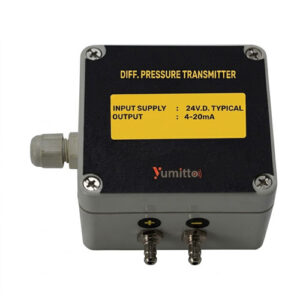

Indoor Air Quality Monitor: Complete Guide for Better Indoor Air Quality
An Indoor Air Quality Monitor is an important device used to measure and track environmental conditions inside buildings, workplaces, commercial spaces, healthcare facilities, schools, laboratories, and industrial environments. Indoor air can contain pollutants, gases, particulate matter, humidity, and other factors that influence the overall indoor environment. An Indoor Air Quality Monitor provides useful measurement data that helps facility managers, building operators, safety teams, and occupants understand changing air conditions and take appropriate action when required. Modern monitoring devices can measure multiple parameters, provide real-time readings, generate alerts, and connect with building management or automation systems, making continuous indoor environmental monitoring more practical and accessible.
Indoor Air Quality Monitor
- An Indoor Air Quality Monitor is designed to continuously or periodically measure selected indoor environmental parameters.
- Depending on the model, an Indoor Air Quality Monitor can measure parameters such as particulate matter, carbon dioxide, volatile organic compounds, temperature, humidity, and other air-quality indicators.
- Continuous monitoring provides a clearer picture of how indoor conditions change throughout the day.
- An Indoor Air Quality Monitor can be installed in offices, classrooms, hospitals, laboratories, commercial buildings, and industrial spaces.
- Real-time information can help facility teams identify changes in indoor environmental conditions.
- Some devices provide local displays, while others can transmit data to centralized monitoring platforms.
- Monitoring data can support ventilation management and building maintenance decisions.
- An Indoor Air Quality Monitor can also be useful for identifying patterns associated with occupancy, ventilation, cleaning activities, or other indoor operations.
Air Quality Monitor
- An Air Quality Monitor measures selected air-quality parameters to provide information about the indoor environment.
- The device can help users understand whether monitored conditions are changing over time.
- An Indoor Air Quality Monitor is generally designed specifically for indoor applications and can be configured for different environments.
- Air quality monitoring can be useful in offices, educational facilities, healthcare buildings, homes, laboratories, and industrial areas.
- Different monitors may support different combinations of sensors.
- Users should select a monitor according to the parameters that are important for their application.
- Displayed measurements can make routine environmental checks easier.
- Data logging and communication options can provide additional value for long-term monitoring.
Indoor Air Quality Sensor
- An Indoor Air Quality Sensor detects specific environmental parameters within an indoor space.
- Sensors are the core measurement components used in many monitoring devices.
- Depending on the product, an Indoor Air Quality Sensor may detect particulate matter, CO₂, VOCs, temperature, humidity, or other parameters.
- Sensor selection should be based on the application and required measurement range.
- An Indoor Air Quality Monitor may contain multiple sensors to provide a broader view of indoor conditions.
- Sensor accuracy, stability, operating range, and expected service conditions should be considered before selection.
- Regular inspection and appropriate maintenance can help support dependable measurements.
- Sensor placement is also important because conditions can vary significantly between different areas of the same building.
Air Quality Detector
- An Air Quality Detector is used to detect and measure specific pollutants or environmental parameters.
- Detection capabilities depend on the sensor technologies incorporated into the device.
- An Air Quality Detector may be used for routine monitoring, environmental assessment, or facility management.
- Some detectors provide visual indicators when measured values change or exceed configured limits.
- An Indoor Air Quality Monitor with detection functionality can provide continuous information instead of relying only on occasional manual checks.
- Air quality detection can be useful in spaces with changing occupancy or ventilation conditions.
- Users should select detectors based on the pollutants and parameters relevant to their application.
Air Quality Meter
- An Air Quality Meter provides measurements of one or more indoor environmental parameters.
- Portable air quality meters can be used for inspections, audits, troubleshooting, and spot measurements.
- Fixed monitoring devices can provide continuous measurement over longer periods.
- An Indoor Air Quality Monitor can function as a continuous monitoring solution for facilities that need ongoing environmental information.
- Air quality meters may differ in their measurement range, sensor technology, accuracy, display, and communication capabilities.
- Portable meters are useful for comparing conditions between rooms or locations.
- Fixed monitors are useful for identifying trends over time.
- Selecting the right meter depends on whether the requirement is spot measurement or continuous monitoring.
class=”heading2″
Indoor Air Quality Meter
- An Indoor Air Quality Meter is specifically intended to measure environmental conditions inside occupied or controlled spaces.
- It can help users monitor changes in indoor conditions throughout the day.
- An Indoor Air Quality Monitor may provide similar measurement functionality while also supporting data transmission and automation.
- Indoor air quality meters may be used in offices, schools, hospitals, homes, laboratories, and commercial buildings.
- A multi-parameter meter can provide information from several sensors through one device.
- Local displays can make readings easier to access.
- Data recording can support analysis of changes in indoor conditions.
- The measurement parameters should be selected according to the purpose of the monitoring program.
Air Quality Sensor
- An Air Quality Sensor detects a particular air-quality parameter or group of parameters.
- Different sensors are designed for different pollutants and environmental conditions.
- An Air Quality Sensor can form part of a larger monitoring system.
- Sensor technology affects measurement performance, operating range, response, and maintenance requirements.
- An Indoor Air Quality Monitor may combine several sensors into one compact device.
- Sensor placement should avoid locations that do not represent the overall indoor environment.
- Calibration requirements depend on the sensor technology and application.
- Proper maintenance can help maintain consistent measurement performance.
Indoor Air Monitor
- An Indoor Air Monitor provides information about environmental conditions inside a building or enclosed area.
- It can help facility managers understand how air conditions change with occupancy and ventilation.
- An Indoor Air Quality Monitor can be used as a standalone device or as part of a connected monitoring network.
- Indoor monitors may be installed on walls, desks, control panels, or other suitable locations depending on the design.
- Continuous monitoring can provide useful historical data.
- Some monitors can communicate with centralized platforms for remote access.
- Indoor air monitoring can support facility management and environmental improvement programs.
- The correct monitor should be selected based on required parameters and installation conditions.
Air Quality Monitoring System
- An Air Quality Monitoring System combines sensors, monitoring devices, communication functions, and software or control infrastructure.
- It can provide centralized information from multiple locations.
- An Indoor Air Quality Monitor can serve as a measurement point within a larger monitoring system.
- Systems can be configured for offices, schools, hospitals, factories, laboratories, and commercial buildings.
- Centralized monitoring can help facility teams compare air-quality conditions across different areas.
- Data logging can provide historical records for analysis.
- Alerts can notify operators when selected measurements exceed configured thresholds.
- Integration with building management systems can support automated responses where appropriate.
Indoor Air Quality Detector
- An Indoor Air Quality Detector identifies selected pollutants or environmental changes inside an enclosed space.
- Detection capabilities depend on the sensors used in the equipment.
- An Indoor Air Quality Detector can be useful in spaces where continuous awareness of indoor conditions is required.
- The device may provide visual, audible, or electronic alerts depending on its configuration.
- An Indoor Air Quality Monitor can combine detection with real-time measurement and data recording.
- Applications include offices, schools, hospitals, laboratories, commercial buildings, and industrial facilities.
- Appropriate sensor selection is important for obtaining useful measurements.
- Users should review product specifications before selecting a detector for a specific application.
Buy indoor air quality monitor
- Before you Buy indoor air quality monitor, identify the environmental parameters that need to be measured.
- Determine whether the requirement includes CO₂, particulate matter, VOCs, temperature, humidity, or other parameters.
- Check the measurement ranges and accuracy specifications.
- Decide whether local display functionality is required.
- Consider whether remote monitoring or data logging is necessary.
- Check communication and output options if the monitor will connect to a building management system.
- Evaluate installation requirements and power supply options.
- When you Buy indoor air quality monitor, select a device that matches the actual requirements of the intended environment.
Indoor air quality monitor manufacturer
- An Indoor air quality monitor manufacturer designs and produces equipment for measuring indoor environmental conditions.
- Manufacturers may offer different models based on sensor combinations, measurement ranges, displays, outputs, and communication requirements.
- When selecting a manufacturer, review technical documentation and product specifications.
- An experienced manufacturer can provide products for different applications and installation environments.
- An Indoor Air Quality Monitor manufacturer may also provide technical assistance during product selection.
- Customers should evaluate measurement performance, product quality, support, and application suitability.
- For large projects, product consistency and availability can be important considerations.
- Buyers should compare complete specifications rather than relying only on product names or prices.
Indoor air quality monitor supplier
- An Indoor air quality monitor supplier provides monitoring equipment for different indoor environments.
- Suppliers can assist customers with product selection and procurement.
- A professional supplier should provide clear specifications for measurement parameters and operating conditions.
- An Indoor Air Quality Monitor supplier may serve offices, schools, hospitals, factories, laboratories, and commercial facilities.
- Customers can discuss their application requirements before selecting a model.
- Availability, delivery time, warranty, and technical support may also be considered.
- Suppliers can help customers identify suitable configurations for specific monitoring needs.
- Clear product documentation can simplify installation and commissioning.
Indoor air quality monitor for offices
- An Indoor air quality monitor for offices can help facility teams understand environmental conditions in workspaces.
- Office air conditions can change due to occupancy, ventilation, outdoor air intake, cleaning, and building operation.
- An Indoor Air Quality Monitor can provide real-time information about selected parameters.
- Monitoring can be performed in meeting rooms, work areas, conference rooms, reception areas, and other occupied spaces.
- Displayed measurements can provide employees and facility teams with visible information.
- Connected monitoring systems can allow facility managers to review information remotely.
- Office monitoring can support ventilation management and facility maintenance.
- The number and location of monitors should be determined according to building layout and monitoring objectives.
Indoor air quality monitor for schools
- An Indoor air quality monitor for schools can help monitor classroom and common-area environmental conditions.
- Classrooms can experience changes in air conditions due to occupancy and ventilation.
- An Indoor Air Quality Monitor can provide information that helps facility teams identify changing environmental patterns.
- Monitors can be installed in classrooms, laboratories, libraries, staff rooms, and other indoor areas.
- Monitoring data can support ventilation management and maintenance activities.
- Displays can provide visible readings for teachers and facility personnel.
- Schools can use monitoring information to understand differences between rooms.
- The selected device should be appropriate for the school’s measurement and installation requirements.
Indoor air quality monitor for hospitals
- An Indoor air quality monitor for hospitals can be used to monitor selected environmental parameters in appropriate areas.
- Healthcare facilities contain different types of spaces with different environmental requirements.
- An Indoor Air Quality Monitor can support monitoring in offices, waiting areas, laboratories, and other suitable indoor environments.
- Monitoring requirements should be determined according to the specific application and facility protocols.
- Sensor selection is important because different areas may require monitoring of different parameters.
- Data logging can provide historical information for facility management.
- Connected systems can support centralized monitoring across multiple areas.
- Equipment should be selected according to applicable environmental and operational requirements.
Indoor air quality monitor with display
- An Indoor air quality monitor with display provides real-time measurement information directly on the device.
- A display makes it easier for users to observe readings without accessing a separate monitoring platform.
- An Indoor Air Quality Monitor with display can be useful in offices, classrooms, laboratories, reception areas, and industrial facilities.
- Digital displays can present one or multiple parameters.
- Large and clear displays can improve visibility from a practical viewing distance.
- Some devices may provide visual status indicators or alerts.
- Display functionality can be especially useful for routine inspections.
- Users should consider display size, readability, installation location, and environmental conditions when selecting a model.
Indoor air quality monitor with alarm
- An Indoor air quality monitor with alarm can notify users when selected measurements exceed configured thresholds.
- Alarm functionality can improve awareness of changing indoor environmental conditions.
- An Indoor Air Quality Monitor with alarm may use visual, audible, or electronic notifications depending on the design.
- Alarm thresholds should be configured according to the requirements of the specific application.
- Connected alarms can potentially be integrated with building management or automation systems.
- Alarm functions can support quicker attention to abnormal readings.
- Users should understand the monitored parameter and configured threshold before interpreting an alarm.
- Proper calibration and maintenance remain important for reliable monitoring.
Indoor air quality monitor for industrial applications
- An Indoor air quality monitor for industrial applications is designed for monitoring indoor environmental conditions in industrial facilities.
- Industrial buildings may have different environmental challenges compared with offices or commercial spaces.
- An Indoor Air Quality Monitor can help monitor selected parameters in production areas, workshops, warehouses, laboratories, and other suitable spaces.
- Users should consider dust, temperature, humidity, vibration, and other environmental conditions.
- The monitor should have specifications appropriate for the installation environment.
- Data can support facility monitoring and environmental management.
- Multiple monitoring points may be useful in large industrial facilities.
- Proper sensor placement is important for obtaining representative measurements.
Indoor air quality monitor price in India
- Indoor air quality monitor price in India depends on several technical and commercial factors.
- Sensor count, measurement parameters, accuracy, display, communication, data logging, and enclosure design can influence pricing.
- A basic monitor can have different specifications from a multi-parameter monitoring system.
- An Indoor Air Quality Monitor with advanced communication or multiple sensors may have a different cost from a basic model.
- Installation requirements and accessories can also influence the overall project cost.
- Buyers should compare specifications, warranty, support, and long-term usability.
- The lowest purchase price may not necessarily provide the required measurement capabilities.
- For accurate pricing, customers should provide application details and required specifications to the supplier.
Indoor air quality monitor supplier in India
- An Indoor air quality monitor supplier in India can provide monitoring products for commercial, institutional, healthcare, and industrial applications.
- Indian suppliers can support customers across different regions and industries.
- Customers should review product specifications before selecting a supplier.
- An Indoor Air Quality Monitor supplier can help identify models based on required parameters and installation conditions.
- Delivery availability and technical support may be important for project-based requirements.
- Customers can also ask about warranty and after-sales service.
- For larger projects, consistent product supply can be an important consideration.
- A supplier with technical knowledge can simplify the selection process.
Indoor air quality monitor manufacturer in India
- An Indoor air quality monitor manufacturer in India can develop and supply products for Indian commercial and industrial applications.
- Manufacturers may offer different configurations for different monitoring requirements.
- Product documentation should clearly describe sensor parameters, measurement ranges, outputs, and operating conditions.
- An Indoor Air Quality Monitor manufacturer can potentially provide application-specific guidance.
- Customers should evaluate manufacturing capabilities and technical support.
- Product consistency can be important when multiple monitors are required across a facility or multiple sites.
- Buyers should confirm availability and lead times for project planning.
- Technical support can also assist with installation and commissioning requirements.
Indoor air quality monitor dealer in India
- An Indoor air quality monitor dealer in India can help customers source monitoring products for different applications.
- Dealers may provide product availability, pricing, and basic application guidance.
- Before purchasing, customers should confirm the exact model and technical specifications.
- An Indoor Air Quality Monitor dealer should provide clear information about product features and commercial terms.
- Buyers should check warranty and support arrangements.
- Dealers can be useful for replacement requirements and local procurement.
- Customers should ensure that the selected monitor supports the required measurement parameters.
- Technical compatibility should be checked before finalizing an order.
Indoor air quality monitor price in India
- When comparing Indoor air quality monitor price in India, buyers should compare products based on their complete specifications.
- Different sensor combinations can result in different pricing.
- Display, alarms, communication interfaces, data logging, and installation features can also influence cost.
- An Indoor Air Quality Monitor designed for a specialized industrial environment may have different specifications from a basic office monitor.
- Customers should consider the expected service life and maintenance requirements.
- Warranty and technical support can also contribute to the overall value of the monitoring solution.
- Requesting application-specific quotations can provide more accurate pricing.
- Comparing technical features helps buyers identify a monitor appropriate for the intended application.
Buy indoor air quality monitor online India
- Customers who want to Buy indoor air quality monitor online India should verify the complete product specifications before ordering.
- Check the parameters measured by the device.
- Verify measurement ranges and accuracy.
- Confirm whether a display, alarm, data logging, or remote communication is required.
- Check power supply and installation requirements.
- An Indoor Air Quality Monitor should be compatible with the intended environment and monitoring objective.
- Customers should also review warranty, delivery, documentation, and technical support information.
- Purchasing from a reliable source can simplify product selection and after-sales support.
How Does an Indoor Air Quality Monitor Work?
- An Indoor Air Quality Monitor uses one or more sensors to detect selected environmental parameters.
- Each sensor generates measurement information based on the parameter it is designed to detect.
- Internal electronics process the sensor signals and calculate the corresponding readings.
- The information can be shown on a local display.
- Depending on the model, data can also be transmitted to a monitoring platform or building management system.
- Some monitors can store historical measurements for later analysis.
- Alarm functions can notify users when configured thresholds are reached.
- Multi-parameter monitoring provides a broader overview of indoor environmental conditions.
Parameters Commonly Measured by Indoor Air Quality Monitors
- Carbon dioxide (CO₂): Can provide information related to occupancy and ventilation conditions.
- Particulate matter: Some monitors measure different particle-size categories.
- Volatile organic compounds (VOCs): VOC monitoring can provide information about selected airborne chemical compounds.
- Temperature: Helps users understand thermal environmental conditions.
- Humidity: Provides information about moisture levels inside the monitored area.
- Other gases: Some specialized systems can monitor additional gases depending on sensor configuration.
- Air pressure: Certain multi-parameter systems may include pressure measurement.
- The exact parameters depend on the selected Indoor Air Quality Monitor.
Benefits of Indoor Air Quality Monitoring
- Continuous visibility: Provides ongoing information about indoor environmental conditions.
- Trend analysis: Historical data can help users identify recurring changes.
- Ventilation management: Measurements can support ventilation-related decisions.
- Early awareness: Alerts can draw attention to significant changes in monitored parameters.
- Facility management: Data can support building maintenance and environmental management.
- Remote monitoring: Connected systems can provide access to measurements from centralized locations.
- Multi-parameter measurement: One device may monitor several environmental parameters.
- Operational insight: Monitoring can help users understand how occupancy and building operation affect indoor conditions.
- Documentation: Stored data can support internal monitoring and reporting activities.
Applications of Indoor Air Quality Monitor
- Corporate offices.
- Schools and educational institutions.
- Hospitals and healthcare facilities.
- Laboratories.
- Pharmaceutical facilities.
- Electronics manufacturing facilities.
- Commercial buildings.
- Shopping centers.
- Hotels and hospitality facilities.
- Industrial plants.
- Warehouses.
- Research facilities.
- Public buildings.
- Meeting and conference rooms.
- Building management systems.
Factors to Consider Before Selecting an Indoor Air Quality Monitor
- Parameters: Identify which environmental conditions need to be measured.
- Measurement range: Select ranges appropriate for the application.
- Accuracy: Consider the accuracy required for the intended monitoring purpose.
- Sensor technology: Review the sensing technology used for each parameter.
- Display: Decide whether local readings are required.
- Alarm: Determine whether threshold notifications are necessary.
- Communication: Check whether integration with a BMS, PLC, or monitoring platform is required.
- Installation: Review mounting and power requirements.
- Environment: Consider temperature, humidity, dust, and other operating conditions.
- Maintenance: Review calibration and sensor replacement requirements.
- Support: Consider documentation, warranty, technical assistance, and product availability.
Installation and Maintenance of Indoor Air Quality Monitor
- Install the Indoor Air Quality Monitor at a representative location within the monitored area.
- Avoid locations immediately next to doors, windows, vents, or other sources that may create unrepresentative readings unless those locations are specifically being monitored.
- Follow the manufacturer’s installation instructions.
- Ensure that the power supply and electrical connections are appropriate.
- Configure measurement and alarm settings according to the application.
- Verify readings during commissioning when required.
- Keep sensor openings free from excessive dust or obstruction.
- Perform periodic inspections.
- Follow recommended calibration procedures.
- Replace sensors or consumable components according to the manufacturer’s recommendations.
- Maintain records of calibration, inspection, and maintenance activities for critical monitoring applications.
Why Choose Yumitto for Indoor Air Quality Monitoring?
- Yumitto provides measurement solutions for applications requiring monitoring of indoor environmental conditions.
- Customers can discuss their monitoring requirements before selecting an Indoor Air Quality Monitor.
- Product selection can be based on required parameters, installation environment, display requirements, alarms, outputs, and communication needs.
- Yumitto can support applications across commercial, institutional, HVAC, and industrial environments.
- Customers can request technical information to determine the appropriate monitoring configuration.
- A properly selected Indoor Air Quality Monitor can provide useful data for facility management and environmental monitoring.
- Yumitto can be considered when sourcing indoor air quality measurement solutions for different applications.
Frequently Asked Questions
What is an Indoor Air Quality Monitor?
- An Indoor Air Quality Monitor is a device that measures selected environmental parameters inside an enclosed space.
- Depending on the model, it can monitor parameters such as CO₂, particulate matter, VOCs, temperature, and humidity.
Why is an Indoor Air Quality Monitor important?
- An Indoor Air Quality Monitor provides information about changing indoor environmental conditions.
- This information can help facility teams understand ventilation and environmental patterns and take appropriate actions based on their monitoring requirements.
Where can an Indoor Air Quality Monitor be used?
- It can be used in offices, schools, hospitals, laboratories, commercial buildings, industrial facilities, and other suitable indoor environments.
- The selected model should match the environmental and measurement requirements of the application.
What is the difference between an Air Quality Monitor and an Air Quality Sensor?
- An Air Quality Sensor is the sensing component that detects a particular parameter.
- An Air Quality Monitor generally combines one or more sensors with electronics for processing, displaying, recording, or transmitting measurements.
Can an Indoor Air Quality Monitor measure multiple parameters?
- Yes, many models can measure multiple parameters.
- Depending on the configuration, an Indoor Air Quality Monitor may measure CO₂, particulate matter, VOCs, temperature, humidity, and other parameters.
Does an Indoor Air Quality Monitor need calibration?
- Calibration requirements depend on the sensor technology, product design, and application.
- Users should follow the manufacturer’s recommended calibration and maintenance procedures.
Can an Indoor Air Quality Monitor connect to a building management system?
- Some models provide communication or output options that allow integration with building management or automation systems.
- The available interfaces depend on the selected model.
What affects indoor air quality monitor price in India?
- Pricing can depend on the number of measured parameters, sensor technology, accuracy, display, alarm functions, communication options, data logging, and other features.
- Application requirements can also affect the overall project cost.
Can an Indoor Air Quality Monitor be used in industrial environments?
- Yes, suitable models can be used in industrial applications.
- The selected device should have specifications appropriate for the temperature, humidity, dust, vibration, and other conditions present at the installation location.
How do I choose the right Indoor Air Quality Monitor?
- First identify the parameters you need to monitor.
- Then consider measurement range, accuracy, sensor technology, display, alarms, communication, installation, environmental conditions, and maintenance requirements.
- Selecting a device according to the actual application helps ensure useful monitoring results.
Improve Indoor Environmental Monitoring with Yumitto
- Indoor environmental conditions can change throughout the day because of occupancy, ventilation, building operation, and other factors.
- An Indoor Air Quality Monitor provides measurement data that can help users understand these changes.
- The right monitoring solution can support facility management, ventilation monitoring, data collection, and environmental assessment.
- Yumitto offers solutions for customers seeking dependable indoor air quality monitoring equipment.
- Share your required parameters, application, installation location, and communication requirements with the Yumitto team.
- Get the appropriate Indoor Air Quality Monitor for your monitoring application and build a more informed approach to indoor environmental management.
- Contact Yumitto today to discuss your indoor air quality monitoring requirements and find a suitable solution for your application.