



DUCT TYPE VOC DETECTOR
Model
:
YVOCD-SERIES
Type
:
Duct
Display
:
Display Available
Aplication
- Indoor air Quality Monitoring
- HVAC System and Ventilation Control
- Industrial manufacturing & Processing Plants
- laboratories
- Clean Storage Area

Specification

Ordering Guide


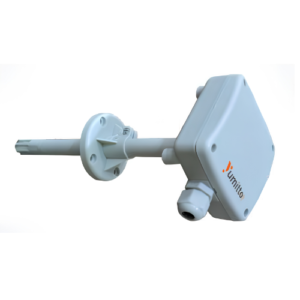
Duct Type VOC Detector: Complete Guide for HVAC and Air Duct Monitoring
A Duct Type VOC Detector is a specialized air-quality monitoring device designed to detect volatile organic compounds (VOCs) within HVAC ducts, ventilation systems, and air-handling applications. VOCs can originate from paints, solvents, cleaning chemicals, adhesives, building materials, industrial processes, furnishings, and other sources. Monitoring VOC concentrations inside air ducts can provide valuable information about the quality of air being circulated through a building or process ventilation system. A Duct Type VOC Detector is designed for installation directly into an air duct, allowing continuous monitoring without occupying valuable room or floor space. Depending on the model, it may provide a digital display, alarm output, communication interface, or integration capabilities for HVAC and building management systems.
Duct Type VOC Detector
- A Duct Type VOC Detector is designed to monitor volatile organic compounds within HVAC ducts and ventilation systems.
- The detector is generally installed directly into a duct using a suitable mounting arrangement.
- A Duct Type VOC Detector can continuously monitor VOC-related conditions in circulating air.
- Duct installation makes the instrument useful when air quality needs to be evaluated before or after air moves through an HVAC system.
- The device can be used in commercial buildings, offices, laboratories, manufacturing facilities, cleanrooms, and other controlled environments.
- Depending on the model, a Duct Type VOC Detector can include a sensor, digital display, alarm, relay output, or communication interface.
- Duct-based monitoring can help facility teams understand changes in VOC conditions throughout an air distribution system.
- The detector can support HVAC monitoring strategies by providing information about VOC conditions within the duct.
- Proper installation is important because the sensor should receive representative airflow from the monitored duct.
- Selecting the correct Duct Type VOC Detector requires consideration of measurement range, sensor technology, duct size, airflow conditions, temperature, humidity, and required outputs.
VOC Duct Detector
- A VOC Duct Detector is designed specifically for monitoring volatile organic compounds in air ducts.
- It differs from a general room-based VOC monitor because the sensing point is positioned within the ductwork.
- A VOC Duct Detector can be useful where centralized air distribution systems need continuous VOC monitoring.
- Duct monitoring may provide information about air quality before it enters occupied spaces.
- A Duct Type VOC Detector can be positioned at selected locations within an HVAC system.
- The sensor must be compatible with the airflow and environmental conditions inside the duct.
- Installation location should be selected based on the monitoring objective.
- A VOC Duct Detector can support facility teams in identifying changes associated with ventilation or air-handling processes.
- Some models can communicate with HVAC controllers or building management systems.
- Users should review the manufacturer’s specifications before installing a VOC Duct Detector.
VOC Detector
- A VOC Detector is an instrument designed to detect or monitor volatile organic compounds in air.
- VOCs can be released from many natural and manufactured materials.
- Common sources include solvents, paints, adhesives, cleaning products, coatings, furniture, plastics, and industrial processes.
- VOC detectors can be designed for portable, wall-mounted, or duct-mounted applications.
- A Duct Type VOC Detector is specifically designed for fixed monitoring inside air distribution systems.
- The measurement range should be selected according to expected VOC conditions.
- Sensor technology influences the detector’s response, stability, and application suitability.
- A VOC Detector can provide useful information for indoor air quality and industrial environmental monitoring.
- Advanced models may provide alarms or communication outputs.
- Users should select the detector according to the actual application instead of relying only on product price.
Duct VOC Sensor
- A Duct VOC Sensor is the sensing element used to detect VOC-related changes in air passing through ductwork.
- The sensor is a critical component of a duct-based monitoring solution.
- Different sensor technologies have different operating characteristics and environmental requirements.
- Temperature and humidity conditions inside ducts should be considered during sensor selection.
- A Duct Type VOC Detector may use an integrated Duct VOC Sensor designed for continuous air monitoring.
- Sensor response time can be important when rapid changes in VOC levels need to be identified.
- Sensor life and maintenance requirements should be reviewed before purchasing.
- Calibration requirements vary according to sensor technology and manufacturer recommendations.
- Correct sensor placement can improve the representativeness of measurements.
- A Duct VOC Sensor should be selected according to the VOC sources and concentration range expected in the application.
VOC Sensor
- A VOC Sensor detects changes associated with volatile organic compounds in the monitored air.
- Sensor technology is one of the most important factors affecting VOC monitoring performance.
- Different sensors can have different sensitivity, response time, stability, and operating ranges.
- Environmental conditions can influence sensor performance.
- A Duct Type VOC Detector uses a VOC sensing element suitable for its intended application.
- Users should check sensor specifications before selecting a detector for HVAC or industrial use.
- Sensor replacement intervals can depend on operating conditions and manufacturer recommendations.
- Regular calibration may be required for applications where measurement accuracy is important.
- Contamination and unsuitable environmental conditions can affect sensor performance.
- Proper installation and maintenance can help support consistent VOC monitoring.
VOC Monitor
- A VOC Monitor is used to observe VOC conditions over time.
- Continuous monitoring provides more information than a single spot measurement.
- A VOC Monitor can identify changes associated with occupancy, cleaning, manufacturing, ventilation, or chemical processes.
- Fixed duct monitoring is useful when air quality within an HVAC system needs to be observed continuously.
- A Duct Type VOC Detector can function as a fixed VOC monitoring point within a ventilation system.
- Some monitors provide local displays for quick observation.
- Advanced VOC monitors can provide outputs for centralized monitoring.
- Data trends can help facility teams identify recurring changes in VOC conditions.
- The monitoring location should be selected according to the objective of the application.
- A VOC Monitor should be maintained according to the manufacturer’s recommendations.
VOC Meter
- A VOC Meter provides numerical information about VOC-related air conditions.
- Portable VOC meters are commonly used for inspection and troubleshooting.
- Fixed duct-mounted instruments are useful for continuous monitoring.
- A Duct Type VOC Detector can provide fixed VOC measurement information within HVAC ductwork.
- Measurement units and ranges can vary between products.
- Users should confirm the measurement range before purchasing.
- A VOC Meter can support environmental assessments and facility monitoring activities.
- The meter should be used within the manufacturer’s specified operating conditions.
- Calibration and maintenance requirements should be considered.
- Comparing meters based on specifications can help users identify an appropriate monitoring solution.
VOC Gas Detector
- A VOC Gas Detector is designed to detect volatile organic compounds in gaseous form.
- VOC gas detection can be relevant in industrial, commercial, laboratory, and ventilation applications.
- VOC sources may include solvents, coatings, fuels, cleaning chemicals, adhesives, and manufacturing processes.
- A Duct Type VOC Detector can provide a fixed VOC monitoring point inside ventilation ductwork.
- The detector’s range should match the expected VOC concentration.
- Industrial applications may require specific certifications or environmental ratings.
- Alarm outputs can be useful when facility personnel need notification of abnormal readings.
- Users should verify whether the detector is suitable for the particular VOCs present.
- Not every VOC detector is suitable for every hazardous or combustible gas application.
- Equipment used in hazardous environments should be selected according to applicable safety requirements.
Air Quality Detector
- An Air Quality Detector is designed to monitor one or more parameters associated with air quality.
- VOC measurement can be an important part of an overall air quality monitoring strategy.
- Air quality detectors may be used in HVAC systems, offices, laboratories, industrial areas, and commercial buildings.
- A Duct Type VOC Detector provides a duct-level monitoring point within an air distribution system.
- Duct-based monitoring can complement room-level monitoring.
- Some air quality detectors measure additional parameters depending on their configuration.
- Facility managers can use air quality data to investigate changes in ventilation performance.
- The appropriate detector depends on the parameters that need to be measured.
- Installation conditions should be evaluated before choosing the instrument.
- An Air Quality Detector provides monitoring information and should be used as part of a broader environmental management approach.
VOC Monitoring System
- A VOC Monitoring System can include sensors, duct detectors, displays, alarms, controllers, communication interfaces, and software.
- The system can collect information from one or multiple monitoring points.
- A Duct Type VOC Detector can serve as an individual sensing point within a larger VOC monitoring network.
- Multiple detectors can be installed in different ducts when a building or facility has several air-handling zones.
- Centralized monitoring can make it easier to review measurements from multiple locations.
- Alarm outputs can notify users when configured thresholds are reached.
- Communication interfaces may allow integration with building management or automation systems.
- Data trends can support investigation of recurring VOC changes.
- Sensor placement should be planned according to airflow and monitoring objectives.
- Regular maintenance should be included in the monitoring system plan.
Buy duct type VOC detector
- Before you Buy duct type VOC detector, identify the HVAC or ventilation application.
- Determine the expected VOC concentration range.
- Check the duct dimensions and mounting requirements.
- Review the sensor technology and measurement specifications.
- Confirm the acceptable temperature and humidity range.
- Determine whether a display is required.
- Consider whether alarm functionality is necessary.
- Check whether analog, relay, or digital communication outputs are needed.
- Review power supply requirements before ordering.
- When you Buy duct type VOC detector, also consider calibration, maintenance, sensor replacement, warranty, and technical support.
Duct type VOC detector manufacturer
- A Duct type VOC detector manufacturer develops and produces fixed VOC monitoring devices for duct and ventilation applications.
- Manufacturers may offer different sensor technologies and measurement ranges.
- Product configurations can include displays, alarms, communication outputs, and different mounting arrangements.
- Buyers should review technical documentation before selecting a manufacturer.
- A manufacturer should clearly specify operating conditions and product limitations.
- Sensor replacement and calibration support can be important for long-term operation.
- A Duct Type VOC Detector manufacturer may provide application-specific guidance.
- Industrial customers may require specialized environmental or enclosure specifications.
- Manufacturers can sometimes provide customized solutions for large HVAC projects.
- Buyers should compare specifications, service support, and warranty terms when evaluating manufacturers.
Duct type VOC detector supplier
- A Duct type VOC detector supplier provides monitoring equipment to HVAC, commercial, industrial, and environmental applications.
- Suppliers can assist customers with product selection based on technical requirements.
- Buyers should verify the supplier’s product documentation and availability.
- Delivery timelines should be considered for installation and commissioning projects.
- Technical support can be useful when the detector needs to be integrated with HVAC controls.
- Suppliers may provide installation accessories depending on their product range.
- A Duct Type VOC Detector supplier should be able to explain measurement range, sensor specifications, power requirements, and outputs.
- Customers should clarify warranty and after-sales service before purchasing.
- Bulk projects may require multiple detectors and project-specific quotations.
- Comparing complete product specifications is more useful than comparing purchase prices alone.
Duct type VOC detector for HVAC
- A Duct type VOC detector for HVAC is designed for monitoring VOC conditions within heating, ventilation, and air-conditioning systems.
- HVAC systems circulate air throughout buildings and can therefore be important locations for air quality monitoring.
- VOC monitoring inside ducts can provide information about the quality of air being transported through the ventilation system.
- A Duct Type VOC Detector can be installed at selected points in supply, return, or other relevant duct sections.
- The installation point should be selected according to the monitoring objective.
- Duct airflow conditions should be considered during installation.
- The sensor should not be obstructed by duct components or unsuitable mounting arrangements.
- Communication outputs can allow the detector to interact with HVAC control systems when supported.
- Alarm functionality may provide notification when VOC readings reach configured levels.
- The selected detector should meet the temperature, humidity, pressure, and airflow conditions of the HVAC application.
Duct type VOC detector for air ducts
- A Duct type VOC detector for air ducts provides continuous VOC monitoring within air distribution ductwork.
- It can be used where room-level monitoring alone does not provide sufficient information.
- Duct monitoring can help facility teams understand changes in the air being transported through the system.
- A Duct Type VOC Detector can be installed without occupying room floor or desk space.
- Proper mounting is necessary to obtain representative measurements.
- The duct airflow should be sufficient for the sensor to interact with the monitored air.
- Users should consider whether the selected detector can withstand the environmental conditions inside the duct.
- Different duct configurations may require different mounting approaches.
- The detector should be accessible enough for inspection and maintenance.
- Manufacturer installation instructions should always be followed.
Duct type VOC detector for ventilation systems
- A Duct type VOC detector for ventilation systems can help monitor VOC conditions in mechanically ventilated spaces.
- Ventilation systems can influence the distribution of VOCs throughout a building.
- Monitoring duct air can provide useful information about changes before air reaches occupied areas.
- A Duct Type VOC Detector can be positioned at strategic locations within the ventilation network.
- Multiple detectors can be used when a facility has several independent ventilation zones.
- Alarm outputs can support operational monitoring.
- Communication interfaces can allow integration with centralized HVAC management systems.
- Sensor placement should account for airflow direction and duct geometry.
- Routine maintenance is important for continuous monitoring performance.
- The detector should be selected based on the ventilation system’s environmental conditions.
Duct type VOC detector with display
- A Duct type VOC detector with display provides local access to measurement information.
- A digital display can make it easier for maintenance personnel to check VOC readings.
- The display can be useful during installation, commissioning, inspection, and troubleshooting.
- A Duct Type VOC Detector with a display can reduce the need for an external measurement device for routine local observation.
- Display size and visibility should be considered before installation.
- Users should verify which parameters and units are shown on the display.
- Some models may display VOC levels along with additional environmental parameters.
- Display-equipped detectors can be useful in accessible mechanical rooms and HVAC service areas.
- The display should remain visible and accessible for routine checks.
- Buyers should compare display specifications when selecting a duct monitoring instrument.
Duct type VOC detector with alarm
- A Duct type VOC detector with alarm can notify users when VOC measurements reach a configured threshold.
- Alarm functionality can be useful for continuous HVAC and industrial monitoring.
- Alarm outputs may include audible, visual, relay, or communication-based alerts depending on the model.
- A Duct Type VOC Detector with an alarm can help facility teams identify abnormal VOC conditions more quickly.
- Thresholds should be configured according to the application’s monitoring requirements.
- Users should understand normal VOC variations before setting alarm levels.
- Alarm functions should be tested during scheduled maintenance.
- Relay outputs can potentially be connected to external control or notification systems.
- Alarm capability should complement appropriate investigation and corrective procedures.
- Buyers should confirm the alarm type and output specifications before purchase.
Duct type VOC detector for industrial applications
- A Duct type VOC detector for industrial applications is designed for VOC monitoring in manufacturing and process ventilation systems.
- Industrial VOC sources can include solvents, paints, coatings, adhesives, chemical processes, and cleaning materials.
- Industrial ventilation systems may require continuous monitoring at selected duct locations.
- A Duct Type VOC Detector can provide a fixed measurement point without occupying valuable production-floor space.
- The instrument should be selected according to expected VOC concentration and environmental conditions.
- Temperature, humidity, dust, and other environmental factors may affect equipment suitability.
- Industrial facilities may require alarm outputs and communication interfaces.
- Multiple detectors can be installed across separate ventilation zones.
- Hazardous-area requirements should be evaluated before selecting equipment for potentially hazardous locations.
- Installation and maintenance should follow site safety procedures and manufacturer recommendations.
Duct type VOC detector price in India
- Duct type VOC detector price in India can vary according to sensor technology, measurement range, display, alarm, communication options, and construction.
- Basic monitoring configurations may have different pricing from advanced network-enabled models.
- Sensor specifications can significantly affect the cost of a VOC detector.
- Additional outputs and features may also influence the final quotation.
- Installation accessories and commissioning requirements should be considered in the overall project budget.
- Buyers should compare technical specifications along with the quoted price.
- Sensor replacement and calibration costs should be considered for long-term ownership.
- Bulk quantities may allow project-specific commercial quotations.
- Warranty and technical support can also influence overall value.
- Customers should request a detailed quotation for the exact Duct Type VOC Detector configuration required.
Duct type VOC detector supplier in India
- A Duct type VOC detector supplier in India can provide VOC monitoring solutions for HVAC, commercial, laboratory, and industrial applications.
- Pan-India suppliers can support customers across different regions and industries.
- Buyers should verify product availability and delivery coverage.
- Technical documentation should clearly describe measurement range, accuracy, sensor type, and operating conditions.
- A supplier should provide information about installation and maintenance requirements.
- Large HVAC projects may require several Duct Type VOC Detector units.
- Customers should confirm warranty and after-sales support.
- Replacement sensor availability can be important for long-term operation.
- Suppliers may also provide technical assistance for integration with HVAC controls.
- Comparing suppliers based on product specifications, service, availability, and support can help buyers identify suitable options.
Duct type VOC detector manufacturer in India
- A Duct type VOC detector manufacturer in India may offer fixed VOC monitoring solutions for HVAC and industrial ventilation applications.
- Buyers should review the manufacturer’s technical specifications before selecting a model.
- Important specifications include sensor technology, measurement range, response time, accuracy, display, alarm, and communication interface.
- Manufacturers may offer different configurations depending on project requirements.
- A Duct Type VOC Detector manufacturer may provide application-specific technical assistance.
- Customers should verify product warranty and service arrangements.
- Replacement sensors and calibration support should also be considered.
- Industrial users should verify applicable certifications where required.
- Large projects may benefit from discussing duct size, airflow, mounting, and monitoring requirements with the manufacturer.
- Selecting equipment based on application requirements can support more effective long-term monitoring.
Duct type VOC detector dealer in India
- A Duct type VOC detector dealer in India can help customers source VOC monitoring equipment for HVAC and industrial applications.
- Dealers may offer quotations, product availability, installation support, and technical assistance.
- Buyers should verify that the supplied model matches the required technical specifications.
- Product documentation should be checked before purchase.
- Delivery timelines can be important for HVAC installation projects.
- Dealers with technical expertise can assist with selecting display, alarm, and communication configurations.
- For larger projects, customers should request project-specific quotations.
- Warranty terms should be clarified before purchasing.
- Buyers should also ask about sensor replacement and calibration support.
- Selecting a suitable dealer can simplify procurement and ongoing equipment service.
Duct type VOC detector price in India
- The Duct type VOC detector price in India depends on the specific configuration and application.
- Sensor technology is one of the main factors influencing product pricing.
- Models with displays, alarms, communication interfaces, and additional measurement capabilities may have different prices.
- Installation requirements can affect the overall project cost.
- Buyers should compare products based on complete technical specifications.
- A low purchase price does not necessarily indicate the most suitable product for a particular application.
- Long-term costs can include calibration, sensor replacement, maintenance, and technical support.
- Customers should request quotations that clearly identify the exact model and included features.
- Bulk requirements may result in different commercial terms.
- The overall cost of a Duct Type VOC Detector should be evaluated alongside its specifications and expected operating requirements.
Buy duct type VOC detector online India
- Customers looking to Buy duct type VOC detector online India can compare products and specifications before placing an order.
- Online research allows buyers to review measurement range, sensor type, display, alarm, and communication features.
- Product availability should be confirmed before placing an order.
- Buyers should verify warranty and after-sales service conditions.
- Technical documentation should be reviewed carefully.
- When you Buy duct type VOC detector online India, make sure the device is compatible with the intended duct and HVAC environment.
- For specialized industrial applications, technical consultation may be useful before purchase.
- Buyers should verify mounting requirements and duct installation arrangements.
- Calibration and replacement sensor availability should also be considered.
- Comparing complete product specifications can help users select the appropriate Duct Type VOC Detector for their application.
How Does a Duct Type VOC Detector Work?
- A Duct Type VOC Detector uses a VOC sensing element to identify changes associated with volatile organic compounds in the air passing through the duct.
- Air flowing through the duct comes into contact with the sensing system.
- The sensor produces a response corresponding to the detected VOC conditions.
- The instrument processes the sensor signal and presents the measurement according to its design.
- A digital display may show the reading locally.
- Alarm-equipped models can activate an alert when a configured threshold is reached.
- Communication-enabled models can send measurement information to external monitoring or control systems.
- The detector’s response depends on its sensor technology and operating conditions.
- Correct installation ensures that the sensor receives representative duct air.
- Regular maintenance and calibration can help maintain dependable measurement performance.
Applications of Duct Type VOC Detector
- HVAC Systems: Monitoring VOC conditions within air-handling and ventilation systems.
- Commercial Buildings: Supporting indoor air quality monitoring.
- Office Buildings: Monitoring VOC conditions in centralized ventilation systems.
- Laboratories: Monitoring air associated with solvent and chemical activities.
- Manufacturing Facilities: Monitoring VOCs generated during industrial processes.
- Cleanrooms: Supporting controlled environmental monitoring where VOC levels are relevant.
- Hospitals: Supporting selected air quality monitoring applications.
- Warehouses: Monitoring ventilation systems in areas where VOC-emitting products are stored or handled.
- Chemical Facilities: Monitoring ventilation air where VOC emissions may occur.
- Industrial Ventilation: Providing fixed VOC monitoring points in process ventilation systems.
Benefits of Duct Type VOC Detector
- Continuous Monitoring: Provides ongoing VOC information from a fixed duct location.
- Space Efficient: Installed directly into ductwork rather than occupying room space.
- HVAC Integration: Some models can communicate with HVAC or building management systems.
- Local Display: Display-equipped models allow convenient observation of readings.
- Alarm Functionality: Alarm-equipped models can provide notification of threshold conditions.
- Fixed Monitoring: Maintains a consistent measurement location.
- Multiple Applications: Suitable for commercial, laboratory, HVAC, and industrial environments.
- Centralized Monitoring: Communication-enabled devices can support centralized data collection.
- Trend Observation: Continuous measurements can reveal changes over time.
- Operational Support: Monitoring information can assist facility teams in investigating ventilation and air quality changes.
Factors to Consider Before Buying a Duct Type VOC Detector
- VOC Range: Select a detector with a suitable measurement range.
- Sensor Technology: Review the sensor’s suitability for the expected VOC environment.
- Duct Compatibility: Confirm that the mounting arrangement suits the duct design.
- Airflow: Check whether the detector is suitable for the expected duct airflow.
- Temperature: Verify the operating temperature range.
- Humidity: Confirm suitability for the expected humidity conditions.
- Display: Determine whether local measurement visibility is required.
- Alarm: Consider whether threshold alerts are necessary.
- Communication: Check required analog, relay, or digital interfaces.
- Power: Confirm the available power supply.
- Maintenance: Review calibration and sensor replacement requirements.
- Warranty: Check warranty coverage and service support.
- Installation: Follow the manufacturer’s recommended installation procedure.
Installation Guide for Duct Type VOC Detector
- Select a duct section that provides representative airflow.
- Avoid locations where airflow is severely disturbed unless specifically recommended by the manufacturer.
- Confirm the mounting point is accessible for inspection and maintenance.
- Check duct dimensions and mounting requirements.
- Install the sensor probe or detector body according to the manufacturer’s instructions.
- Ensure the sensing element is properly positioned in the airflow.
- Connect the correct power supply.
- Connect alarm or communication outputs if required.
- Verify the displayed measurement after installation.
- Configure required alarm thresholds and communication parameters.
- Perform commissioning checks before starting routine monitoring.
- Document the detector location and configuration for future maintenance.
Maintenance Tips for Duct Type VOC Detector
- Inspect the detector periodically for physical damage.
- Check the sensor area for contamination.
- Verify that the mounting remains secure.
- Review readings for unexpected changes.
- Test alarm functions when applicable.
- Check communication outputs when connected to a monitoring system.
- Follow the manufacturer’s calibration schedule.
- Replace the sensor when required according to manufacturer recommendations.
- Maintain records of calibration and servicing.
- Keep the detector’s operating environment within specified limits.
- Follow all manufacturer instructions during cleaning and maintenance.
Why Choose Yumitto for Duct Type VOC Detector Solutions?
- Yumitto can help customers explore suitable Duct Type VOC Detector solutions for HVAC, ventilation, commercial, laboratory, and industrial applications.
- The correct detector depends on the required VOC range, sensor technology, duct configuration, environmental conditions, display, alarm, and communication requirements.
- Customers can discuss their application before selecting the appropriate configuration.
- Technical specifications should be matched with the actual HVAC or ventilation environment.
- For large facilities, multiple Duct Type VOC Detector units may be required across different air-handling zones.
- Yumitto can assist customers in understanding product options and application requirements.
- Customers can discuss project quantities, technical specifications, and installation requirements.
- Selecting the correct Duct Type VOC Detector can provide a practical fixed monitoring point within an HVAC or ventilation system.
- Proper monitoring can help facility teams understand VOC conditions and investigate changes in circulated air.
- Contact Yumitto today to discuss your Duct Type VOC Detector requirements and get product specifications, pricing, and technical assistance.
FAQs About Duct Type VOC Detector
What is a Duct Type VOC Detector?
- A Duct Type VOC Detector is a fixed VOC monitoring device designed to be installed in air ducts or ventilation systems.
- It detects or monitors VOC-related conditions in air flowing through the duct.
- Depending on the model, it may include a display, alarm, and communication output.
Where is a Duct Type VOC Detector used?
- A Duct Type VOC Detector can be used in HVAC systems, commercial buildings, offices, laboratories, cleanrooms, manufacturing facilities, and industrial ventilation systems.
- The selected model should match the environmental and monitoring requirements of the application.
How does a Duct Type VOC Detector work?
- The detector uses a VOC sensor to detect changes associated with volatile organic compounds in duct air.
- The sensor signal is processed and presented as a measurement.
- Some models can also provide alarms or communication outputs.
Can a Duct Type VOC Detector be used in HVAC systems?
- Yes, a Duct Type VOC Detector is specifically suited to fixed VOC monitoring within HVAC and ventilation ductwork.
- It can provide measurement information from a selected location within the air distribution system.
Does a Duct Type VOC Detector have a display?
- Some models of Duct Type VOC Detector include a digital display.
- Display-equipped models allow users to view readings locally.
- Display specifications vary between products.
Can a Duct Type VOC Detector have an alarm?
- Yes, selected models can include alarm functionality.
- Alarm types may include visual, audible, relay, or communication-based alerts.
- Users should select the alarm configuration according to their application.
Is a Duct Type VOC Detector suitable for industrial applications?
- A Duct Type VOC Detector can be used in industrial ventilation applications when the selected model is suitable for the expected VOC concentration and environmental conditions.
- Hazardous-area and certification requirements should be checked where applicable.
What factors affect Duct Type VOC Detector price in India?
- Pricing can depend on sensor technology, measurement range, display, alarm, communication interfaces, construction, and additional features.
- Installation, calibration, sensor replacement, and service requirements can also affect the overall project cost.
How often should a Duct Type VOC Detector be calibrated?
- Calibration requirements depend on the sensor technology, operating environment, application, and manufacturer’s recommendations.
- Users should follow the calibration schedule specified for their particular detector.
How do I choose the right Duct Type VOC Detector?
- Consider VOC range, sensor technology, duct size, airflow, temperature, humidity, display, alarm, communication, power supply, maintenance, and installation requirements.
- For specialized applications, discussing the requirements with a qualified supplier or manufacturer can help identify an appropriate configuration.
Where can I buy a Duct Type VOC Detector in India?
- A Duct Type VOC Detector can be purchased through manufacturers, suppliers, dealers, and industrial instrumentation providers.
- Buyers should compare technical specifications, warranty, service support, availability, and pricing before purchasing.
- Yumitto can be contacted for product information, specifications, and assistance with duct-based VOC monitoring requirements.