



OCCUPANCY SENSOR
Model
:
Y-OS
Type
:
Wall
Display
:
–
Aplication
- Passageways and corridors
- Public restrooms
- Basements
- parking Garages
- other public spaces requiring automatic switch control

Specification

Ordering Guide


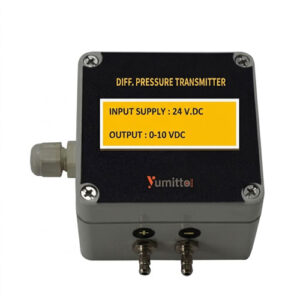

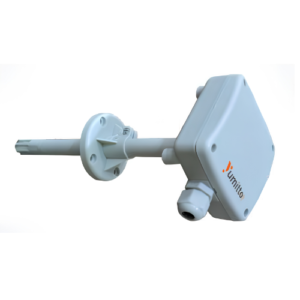
Occupancy Sensor: Complete Guide to Smart Occupancy Detection
An Occupancy Sensor is an intelligent sensing device used to determine whether a person is present or a space is occupied. Occupancy sensing technology is increasingly used in offices, commercial buildings, homes, hotels, warehouses, educational institutions, healthcare facilities, and smart buildings to automate lighting, HVAC systems, security, and energy management. By detecting movement, presence, or changes within a monitored area, an Occupancy Sensor can help building operators understand how spaces are being used and automate equipment based on actual occupancy. Modern solutions range from simple motion-based sensors to advanced networked systems capable of supporting building automation and centralized monitoring.
Occupancy Sensor
- An Occupancy Sensor detects whether a person is present within a defined area.
- It can be used to control lighting, HVAC equipment, ventilation, and other building systems.
- Sensors can operate automatically without requiring users to manually switch equipment on or off.
- Occupancy-based automation can help reduce unnecessary operation of building equipment.
- Sensors are available in different technologies, including PIR, microwave, ultrasonic, and other sensing methods.
- The appropriate Occupancy Sensor depends on room size, application, environmental conditions, and required detection performance.
- Offices, meeting rooms, classrooms, retail spaces, and residential areas can all benefit from occupancy sensing.
Occupancy Sensor India
- Occupancy Sensor India solutions are used across residential, commercial, institutional, and industrial environments.
- Indian buildings can have different architectural designs, room sizes, operating schedules, and automation requirements.
- Occupancy sensors can be integrated into lighting and building management systems where appropriate.
- Offices can use sensors to automate lights and monitor room usage.
- Commercial buildings can deploy sensors across multiple floors or zones.
- Selecting an Occupancy Sensor India solution should involve evaluating application requirements, installation conditions, connectivity, and compatibility.
- Local technical support and product availability can also be important factors when implementing occupancy sensing projects.
Occupancy Detector
- An Occupancy Detector identifies whether an area is occupied by detecting movement or other indicators of human presence.
- It can be installed in rooms, corridors, conference areas, classrooms, washrooms, and other spaces.
- Detection information can be used to trigger connected systems.
- Lighting can be switched on when occupancy is detected and switched off after a configured period of inactivity.
- HVAC systems can also use occupancy information to adjust operation where supported.
- An Occupancy Detector can therefore contribute to automated building management.
Motion Occupancy Sensor
- A Motion Occupancy Sensor detects movement within a defined sensing area.
- PIR technology is commonly used for detecting changes in infrared radiation associated with moving people.
- Motion sensors can be useful in offices, corridors, meeting rooms, warehouses, and other areas.
- Detection range depends on the sensor design and installation position.
- Proper mounting height and positioning can influence detection performance.
- A Motion Occupancy Sensor can be integrated with lighting and automation systems for automatic operation.
Room Occupancy Sensor
- A Room Occupancy Sensor is designed to determine whether a specific room is occupied.
- It can be used in offices, conference rooms, classrooms, bedrooms, meeting spaces, and other enclosed areas.
- The sensor can provide occupancy information to connected lighting or HVAC systems.
- Some systems use time delays to prevent equipment from switching off immediately after movement stops.
- Sensor placement should consider furniture, doors, partitions, and the room’s overall layout.
- A Room Occupancy Sensor can support more responsive room automation and energy management.
Occupancy Detection System
- An Occupancy Detection System combines sensors and control technology to monitor occupancy across one or more areas.
- A basic system may consist of a sensor and connected lighting control.
- Larger installations can include multiple sensors connected to a central automation platform.
- Occupancy information can be used for lighting, HVAC, security, and facility management applications.
- Networked systems can provide occupancy information from multiple rooms or zones.
- An Occupancy Detection System can be designed according to the size and complexity of a facility.
Smart Occupancy Sensor
- A Smart Occupancy Sensor combines occupancy detection with connected automation capabilities.
- Smart sensors can communicate with compatible building control systems.
- Depending on the system, occupancy information can be used to automate lighting and climate-control equipment.
- Some smart sensors can be integrated with wireless networks or building automation platforms.
- Smart occupancy monitoring can help facility managers understand space usage.
- A Smart Occupancy Sensor can provide a foundation for automated and data-driven building management.
PIR Occupancy Sensor
- A PIR Occupancy Sensor uses passive infrared technology to detect changes in infrared energy associated with human movement.
- PIR sensors are widely used for automatic lighting and occupancy-related applications.
- They can be suitable for offices, homes, corridors, classrooms, and commercial spaces.
- Installation location and field of view are important for effective detection.
- Objects that block the sensor’s view can affect performance.
- A PIR Occupancy Sensor can provide a practical solution for motion-based occupancy detection.
Presence Sensor
- A Presence Sensor is designed to identify the presence of a person within a monitored area.
- Depending on the sensing technology, presence detection may be possible even with limited movement.
- This can be useful in rooms where occupants may remain relatively still for extended periods.
- Presence sensors can support lighting, HVAC, security, and smart building applications.
- Different technologies offer different detection characteristics.
- A Presence Sensor should therefore be selected according to the application’s specific occupancy requirements.
Occupancy Detection Device
- An Occupancy Detection Device provides information about whether an area is occupied.
- It may operate as a standalone unit or as part of a larger building automation system.
- Devices can be installed in individual rooms or deployed across multiple zones.
- Detection information can trigger predefined automation actions.
- The device’s sensing range and technology should match the space being monitored.
- An Occupancy Detection Device can help automate repetitive building control functions.
Best Occupancy Sensor for Office
- The Best Occupancy Sensor for Office depends on room layout, occupancy patterns, automation requirements, and existing building systems.
- Open-plan offices may require multiple sensors to provide appropriate coverage.
- Private offices can often use individual room sensors.
- Conference rooms can use occupancy sensing to control lighting and HVAC operation.
- Wireless options may be convenient when installing sensors in an existing office.
- Integration compatibility should be checked before selecting a sensor.
- When choosing the Best Occupancy Sensor for Office, businesses should consider sensing technology, coverage, connectivity, installation, and maintenance requirements.
Smart Occupancy Sensor for Buildings
- A Smart Occupancy Sensor for Buildings can provide occupancy information for automated building management.
- Multiple sensors can monitor different rooms, floors, or zones.
- Occupancy data can potentially be used by lighting, HVAC, and building management systems.
- Centralized systems can make it easier to manage sensors across large facilities.
- Smart sensors can support automation based on actual room usage.
- A Smart Occupancy Sensor for Buildings can be part of a broader smart building strategy.
Occupancy Sensor for Energy Saving
- An Occupancy Sensor for Energy Saving can help reduce unnecessary operation of lighting and other building systems.
- Lights can be controlled according to occupancy rather than remaining active continuously.
- HVAC operation can potentially be adjusted according to room usage where supported.
- Energy savings depend on building characteristics, equipment, occupancy patterns, control settings, and system configuration.
- Sensors can be particularly useful in rooms that are frequently unoccupied for periods of time.
- An Occupancy Sensor for Energy Saving can therefore contribute to more efficient building operation.
Automatic Occupancy Detection System
- An Automatic Occupancy Detection System identifies occupancy without requiring manual input.
- Sensors monitor designated areas and provide signals when movement or presence is detected.
- Connected systems can automatically activate or adjust equipment.
- Lighting controls are a common application.
- HVAC and ventilation controls can also use occupancy information where compatible.
- Automated systems can reduce the need for users to manually operate building equipment.
- An Automatic Occupancy Detection System can support consistent automation across multiple rooms.
Occupancy Sensor for Commercial Buildings
- An Occupancy Sensor for Commercial Buildings can be used in offices, retail stores, hotels, educational facilities, hospitals, and other commercial properties.
- Large buildings may contain numerous rooms and zones with different occupancy schedules.
- Sensors can help automate lighting and other systems according to room usage.
- Facility managers can use occupancy information as part of building management strategies.
- Meeting rooms and shared spaces can particularly benefit from automated occupancy-based controls.
- An Occupancy Sensor for Commercial Buildings can support operational efficiency and user comfort.
Wireless Occupancy Sensor for Office
- A Wireless Occupancy Sensor for Office can communicate occupancy information without requiring traditional signal wiring.
- Wireless installation may be useful in existing buildings where adding new cables is difficult.
- Sensors can be positioned according to the office layout and required detection coverage.
- Battery-powered models require periodic battery inspection or replacement.
- Wireless communication reliability should be considered when selecting equipment.
- A Wireless Occupancy Sensor for Office can provide installation flexibility for modern workplaces.
Occupancy Sensor for Smart Building Automation
- An Occupancy Sensor for Smart Building Automation provides occupancy information that can be used by connected building systems.
- Lighting systems can respond automatically when rooms become occupied.
- HVAC systems can use occupancy information to support zone-level control where compatible.
- Security and facility management applications may also use occupancy information.
- Multiple sensors can be connected to centralized automation platforms.
- An Occupancy Sensor for Smart Building Automation can help create more responsive building environments.
Room Occupancy Sensor with Motion Detection
- A Room Occupancy Sensor with Motion Detection identifies movement within a room to determine occupancy.
- It can be used in bedrooms, offices, classrooms, conference rooms, and other indoor spaces.
- PIR technology is commonly used for motion detection.
- Sensor placement should provide an unobstructed view of the intended detection area.
- Time-delay settings can help prevent unwanted switching caused by brief periods without detected movement.
- A Room Occupancy Sensor with Motion Detection can automate lighting and other compatible systems.
Occupancy Sensor for HVAC Control
- An Occupancy Sensor for HVAC Control provides occupancy information that can be used to manage heating, ventilation, or air-conditioning systems.
- HVAC systems can potentially adjust operation based on whether a space is occupied.
- Zone-level occupancy information can support more targeted environmental control.
- Appropriate integration between the sensor and HVAC controller is required.
- Control strategies should consider temperature, ventilation requirements, building usage, and system design.
- An Occupancy Sensor for HVAC Control can be part of an automated approach to indoor environmental management.
Advanced Occupancy Detection System for Buildings
- An Advanced Occupancy Detection System for Buildings can monitor occupancy across multiple rooms, floors, or facility zones.
- Advanced systems may combine multiple sensing technologies or integrate with building management platforms.
- Centralized monitoring can provide facility operators with occupancy information from different areas.
- Such systems can support lighting, HVAC, security, and space-management applications.
- Larger facilities may require carefully planned sensor placement and network architecture.
- An Advanced Occupancy Detection System for Buildings should be selected according to the facility’s automation objectives and technical requirements.
Occupancy Sensor Manufacturer in India
- An Occupancy Sensor Manufacturer in India can provide sensing solutions for residential, commercial, institutional, and industrial applications.
- Manufacturers may offer PIR sensors, presence sensors, wireless sensors, and integrated occupancy monitoring systems.
- Product specifications can vary according to sensing technology and intended application.
- Technical documentation can help customers understand installation and compatibility requirements.
- For larger projects, manufacturers may provide application-specific guidance.
- When selecting an Occupancy Sensor Manufacturer in India, customers should review product specifications, support capabilities, compatibility, and project requirements.
Occupancy Sensor Supplier in India
- An Occupancy Sensor Supplier in India can provide occupancy sensing products for different types of facilities.
- Suppliers may offer individual sensors as well as complete automation solutions.
- Businesses can evaluate suppliers based on product availability, technical support, warranty, and application expertise.
- For large projects, consistent supply can be important when multiple sensors are required.
- Compatibility with existing automation systems should be verified before purchase.
- A reliable Occupancy Sensor Supplier in India can help organizations source appropriate occupancy sensing equipment.
Occupancy Detection System in India
- An Occupancy Detection System in India can be implemented in offices, homes, factories, hotels, educational facilities, healthcare buildings, and commercial properties.
- Different buildings require different detection coverage and automation configurations.
- Smaller installations may use individual room sensors.
- Larger buildings can use centralized occupancy monitoring.
- Indian facilities may also require solutions suitable for existing building infrastructure.
- An Occupancy Detection System in India should be designed according to the facility’s layout, occupancy patterns, and automation requirements.
Occupancy Sensor Supplier Across India
- An Occupancy Sensor Supplier Across India can support businesses operating from multiple cities or locations.
- Multi-site organizations may benefit from standardized sensor models and installation practices.
- Consistent equipment can simplify maintenance and replacement.
- Suppliers can assist with product selection according to different facility requirements.
- Technical support can be valuable for large deployments.
- Working with an Occupancy Sensor Supplier Across India can help organizations manage occupancy sensing requirements across multiple facilities.
Smart Occupancy Sensor in India
- A Smart Occupancy Sensor in India can support modern building automation and energy management applications.
- Smart sensors can communicate occupancy information to compatible control systems.
- They can be deployed in offices, hotels, commercial buildings, educational institutions, and residential properties.
- Wireless connectivity can simplify installation in some applications.
- Integration with lighting and HVAC systems can enable occupancy-based automation.
- A Smart Occupancy Sensor in India can contribute to intelligent facility management when correctly selected and installed.
How Does an Occupancy Sensor Work?
- An occupancy sensor monitors a designated area using its specific sensing technology.
- PIR sensors detect changes in infrared radiation associated with movement.
- Other sensing technologies can use different principles for detecting presence or movement.
- When occupancy is detected, the sensor sends a signal to a connected controller or device.
- The control system can then activate lighting, HVAC, or another connected function.
- When occupancy is no longer detected for a configured period, the system may return the controlled equipment to another operating state.
- The exact operation depends on the sensor technology and control configuration.
Types of Occupancy Sensors
- PIR sensors detect changes in infrared radiation caused by movement.
- Microwave sensors use electromagnetic waves to detect movement.
- Ultrasonic sensors use sound waves to identify movement or changes within an area.
- Dual-technology sensors combine two sensing methods to improve detection performance in suitable applications.
- Presence sensors are designed for applications where detecting stationary occupants may be important.
- Wireless sensors communicate with compatible control systems without traditional signal wiring.
- Selecting the appropriate technology depends on room characteristics, application requirements, and the desired detection behavior.
Applications of Occupancy Sensors
- Offices can use occupancy sensors to automate lighting and HVAC operation.
- Conference rooms can use sensors to activate equipment when occupied.
- Classrooms can use occupancy information for lighting and climate-control applications.
- Hotels can use sensors in rooms and common areas.
- Retail stores can use occupancy detection in sales areas and back-of-house spaces.
- Warehouses can use sensors for lighting control in storage zones.
- Homes can use occupancy sensing for smart lighting and automation.
- Healthcare and institutional facilities can use occupancy information for selected automation applications.
Benefits of an Occupancy Sensor
- Helps automate lighting based on occupancy.
- Can reduce unnecessary operation of compatible building equipment.
- Supports smart building automation.
- Can improve convenience by reducing manual switching.
- Provides occupancy information for building management.
- Can support HVAC control strategies.
- May help organizations understand how spaces are being used.
- Can be deployed in individual rooms or across larger facilities.
- Wireless models can offer installation flexibility.
- Occupancy-based automation can contribute to more responsive building operation.
How to Choose an Occupancy Sensor
- Identify the space where the sensor will be installed.
- Determine the required sensing range and coverage area.
- Consider whether movement detection or presence detection is required.
- Select the appropriate sensing technology for the environment.
- Check compatibility with lighting, HVAC, and building automation systems.
- Consider wired versus wireless installation.
- Review power requirements and maintenance needs.
- Check whether adjustable time delays and sensitivity settings are available.
- For large projects, evaluate network and centralized management requirements.
- Choose products based on documented specifications and the actual application.
Occupancy Sensor Installation
- Install the sensor according to the manufacturer’s recommended position and mounting height.
- Avoid placing PIR sensors where furniture or partitions block the intended field of view.
- Consider doors, windows, air-conditioning outlets, and other environmental factors during installation.
- Verify the sensor’s coverage after installation.
- Configure sensitivity and time-delay settings according to the application.
- Test the sensor with different movement patterns.
- For connected systems, verify communication between the sensor and controller.
- Proper installation can significantly influence occupancy detection performance.
Occupancy Sensor for Energy Management
- Occupancy information can help building operators identify when spaces are being used.
- Lighting systems can be controlled according to room occupancy.
- HVAC systems can potentially use occupancy information for zone-level control.
- Frequently unoccupied rooms may benefit from automated equipment control.
- Meeting rooms and shared spaces can be suitable areas for occupancy-based energy management.
- Energy performance depends on system design, building usage, equipment efficiency, and control settings.
- An occupancy sensor should therefore be considered one component of a broader energy management strategy.
Occupancy Sensor for Smart Offices
- Smart offices can use occupancy sensors to automate lighting and climate-control systems.
- Meeting rooms can automatically respond when people enter or leave.
- Shared workspaces can provide occupancy information for facility management applications.
- Wireless sensors can simplify installation in existing office environments.
- Occupancy information can also support space-utilization analysis when collected by suitable systems.
- Properly configured occupancy sensing can help create a more automated workplace environment.
Occupancy Sensor Maintenance
- Inspect sensors periodically to ensure that they remain correctly positioned.
- Clean sensor surfaces according to manufacturer recommendations.
- Check wiring and connections for wired systems.
- Monitor battery condition in wireless sensors.
- Test detection performance periodically.
- Review automation settings after changes to room layouts.
- Verify that connected lighting and HVAC controls respond correctly.
- Regular maintenance helps keep an Occupancy Sensor system functioning as intended.
Frequently Asked Questions About Occupancy Sensor
What is an Occupancy Sensor?
- An Occupancy Sensor is a device that detects movement or presence within a defined area.
- It can provide information to lighting, HVAC, security, or building automation systems.
- The sensing technology determines how occupancy is detected.
What is the difference between an occupancy sensor and a motion sensor?
- A motion sensor primarily detects movement.
- An occupancy sensor is generally used to determine whether a space is occupied.
- Some occupancy sensors use motion detection as the primary method of determining occupancy.
- Presence-oriented technologies can detect occupants with less movement in certain applications.
Where are occupancy sensors commonly used?
- Occupancy sensors are commonly used in offices, homes, classrooms, meeting rooms, hotels, warehouses, commercial buildings, and smart facilities.
- They can support lighting, HVAC, security, and automation applications.
Can an Occupancy Sensor save energy?
- An Occupancy Sensor can help reduce unnecessary operation of compatible equipment by allowing systems to respond to room usage.
- Actual energy savings depend on occupancy patterns, equipment, control settings, and building characteristics.
Are PIR occupancy sensors suitable for offices?
- PIR sensors can be suitable for many office applications.
- Correct placement is important because PIR technology generally relies on detecting movement within its field of view.
- The appropriate technology should be selected according to the office layout and detection requirements.
Can occupancy sensors control HVAC systems?
- Yes, occupancy information can be used for HVAC control when the sensor and HVAC control system are compatible.
- The control strategy should account for the building’s ventilation and environmental requirements.
Are wireless occupancy sensors available?
- Yes, wireless occupancy sensors are available for applications where wireless communication is suitable.
- Battery maintenance and wireless connectivity should be considered during selection.
How many occupancy sensors are required for a building?
- The number depends on room size, layout, sensor coverage, technology, partitions, and the required level of detection.
- Large buildings may require multiple sensors across different rooms or zones.
What should businesses consider before buying an occupancy sensor?
- Businesses should consider sensing technology, detection range, installation method, connectivity, power requirements, compatibility, environmental conditions, maintenance, and total project requirements.
- For larger installations, technical consultation can help determine the appropriate configuration.
Conclusion
An Occupancy Sensor can play an important role in modern building automation by providing information about whether spaces are occupied. From offices and conference rooms to commercial buildings, educational facilities, warehouses, hotels, and homes, occupancy sensing can support automatic lighting, HVAC control, and other connected applications. Different technologies offer different detection characteristics, so the right solution should be selected based on room layout, occupancy patterns, sensing requirements, installation conditions, and system compatibility. With appropriate planning, installation, and maintenance, an Occupancy Sensor can become a useful component of a smart and efficient building management strategy.
Choose Yumitto for Occupancy Sensor Solutions
- Looking for reliable occupancy sensing solutions for your home, office, commercial property, or industrial facility?
- Yumitto can help you explore suitable occupancy sensing solutions based on your application and automation requirements.
- Whether you need a PIR Occupancy Sensor, wireless solution, room-based sensor, or a larger Occupancy Detection System, selecting the right product is essential for reliable performance.
- Contact Yumitto to discuss your occupancy detection requirements and find a suitable solution for your facility.
- Make your spaces smarter, automate building systems, and manage occupancy more efficiently with Yumitto.