



DIFFERENTIAL PRESSURE TRANSMITTER
Model
:
YDPT-01-ND
Type
:
All
Display
:
–
Aplication
- HVAC System
- Clean Rooms
- Hospital Rooms
- Industrial Air Systems
- Compressed Air Systems
- Process Control

Specification

Ordering Guide


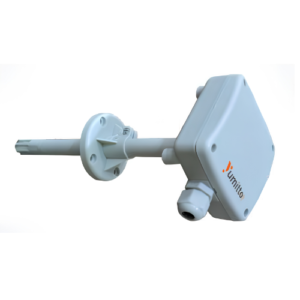

Differential Pressure Transmitter: Complete Guide, Working, Types, Applications and Benefits
A Differential Pressure Transmitter is an important industrial measurement device used to measure the difference in pressure between two points and convert that pressure difference into a standardized electrical signal for monitoring, control, and automation. A Differential Pressure Transmitter is widely used across HVAC systems, process industries, cleanrooms, filtration systems, air handling units, manufacturing plants, and industrial process applications where accurate pressure measurement is essential. By continuously monitoring pressure differences, a Differential Pressure Transmitter can help identify blocked filters, monitor airflow, detect pressure variations, improve process control, and support efficient operation of industrial equipment. Modern Differential Pressure Transmitter solutions are available with digital displays, electronic sensing technology, high accuracy, and compatibility with automated control systems.
Differential Pressure Transmitter
- A Differential Pressure Transmitter measures the pressure difference between two separate pressure points, commonly identified as the high-pressure side and low-pressure side.
- The device senses the difference and converts it into an electrical output that can be transmitted to a monitoring or control system.
- A Differential Pressure Transmitter is commonly used where pressure difference is more important than absolute or gauge pressure.
- The measurement can help operators understand airflow, filter condition, liquid level, and process performance.
- Modern Differential Pressure Transmitter models can offer reliable measurement, compact construction, digital configuration, and integration with industrial automation systems.
- Depending on the application, these instruments can be used for gases, air, liquids, and various industrial process media.
- A Differential Pressure Transmitter can support continuous measurement instead of requiring manual pressure checks.
- This makes it useful for applications where timely pressure information is required for operational control and maintenance.
Differential Pressure Sensor
- A Differential Pressure Sensor detects the pressure difference between two points and provides a measurement signal.
- The sensor is an important component in systems requiring differential pressure monitoring.
- A Differential Pressure Sensor can be used in HVAC equipment, air handling systems, filtration applications, and industrial process equipment.
- It can help identify changes in pressure caused by airflow restrictions, clogged filters, or process variations.
- Depending on the design, the sensor may use different sensing technologies to detect pressure changes.
- Differential pressure sensing can provide valuable information for automated monitoring and control.
- When combined with suitable electronics, a Differential Pressure Sensor can become part of a complete pressure transmission system.
- Accurate sensing is particularly important when small pressure differences need to be detected consistently.
DP Pressure Transmitter
- A DP Pressure Transmitter is another commonly used term for a differential pressure measurement instrument.
- It measures the pressure difference between the high-pressure and low-pressure ports.
- The output can be connected to control systems, displays, data acquisition equipment, or building management systems.
- A DP Pressure Transmitter can be selected according to pressure range, accuracy, output signal, process connection, and environmental requirements.
- Industrial users commonly use DP pressure measurement for monitoring processes and equipment conditions.
- The instrument can also be used to support preventive maintenance by identifying changes in normal pressure conditions.
- Proper installation and calibration are important for obtaining reliable readings.
- A suitable DP Pressure Transmitter can contribute to better process visibility and operational control.
Pressure Transmitter
- A Pressure Transmitter is an electronic measurement device designed to sense pressure and convert it into a standardized output signal.
- Unlike a differential pressure model, some pressure transmitters measure gauge or absolute pressure depending on their configuration.
- Pressure transmitters are used in manufacturing, utilities, HVAC, water treatment, process industries, and automation systems.
- The appropriate transmitter depends on the type of pressure being measured and the requirements of the application.
- A Differential Pressure Transmitter specifically focuses on the difference between two pressure inputs.
- Pressure transmitters can be connected to PLCs, controllers, monitoring panels, and other automation equipment.
- Digital communication and configuration options can simplify installation and system integration.
- Selecting the correct pressure range helps prevent measurement errors and improves instrument performance.
Differential Pressure Gauge
- A Differential Pressure Gauge provides a visual indication of the pressure difference between two points.
- It can be used for applications where local pressure monitoring is required.
- A Differential Pressure Gauge may be useful for checking filter pressure drop, airflow conditions, or equipment performance.
- Unlike an electronic Differential Pressure Transmitter, a conventional gauge is primarily intended for local indication.
- Gauges can be suitable for simple monitoring applications where continuous electronic output is not required.
- In complex automated systems, a Differential Pressure Transmitter may be preferred because its output can be integrated with control equipment.
- The choice between a gauge and transmitter depends on the measurement requirements, automation level, and operating environment.
- Both instruments can play a role in maintaining awareness of differential pressure conditions.
DP Transmitter
- A DP Transmitter measures the difference between pressure at two separate connection points.
- The abbreviation “DP” commonly refers to differential pressure.
- A DP Transmitter can be configured for different pressure ranges depending on the process requirement.
- It may provide an analog output suitable for industrial monitoring and automation systems.
- Some models may also include digital communication or local display capabilities.
- DP transmitters are commonly used in filtration, airflow, liquid-level, and process monitoring applications.
- Correct impulse line installation is important for maintaining measurement accuracy.
- Regular inspection and calibration can help ensure dependable performance over the operating life of the instrument.
Pressure Differential Sensor
- A Pressure Differential Sensor is designed to detect variations between two pressure points.
- It can be used where pressure difference provides important information about equipment or process conditions.
- For example, an increasing differential pressure across a filter can indicate that the filter is becoming restricted.
- In HVAC systems, differential pressure can help monitor airflow and pressure relationships between different zones.
- In industrial processes, differential pressure can provide information about flow and system resistance.
- A Pressure Differential Sensor can therefore support both monitoring and preventive maintenance activities.
- Sensor selection should consider the expected pressure range, media, temperature, accuracy, and installation conditions.
- Properly selected sensors can provide stable measurements for continuous industrial operation.
Industrial Pressure Transmitter
- An Industrial Pressure Transmitter is designed for pressure measurement in demanding industrial environments.
- Industrial applications may involve temperature variations, vibration, dust, moisture, and continuous operation.
- An Industrial Pressure Transmitter should therefore be selected according to the operating environment and process requirements.
- Differential pressure models are particularly useful when the pressure difference between two points needs to be monitored.
- Industries may use these instruments in manufacturing plants, HVAC systems, utilities, process plants, and filtration systems.
- The transmitter output can be integrated with industrial controllers and monitoring platforms.
- Reliable pressure information can help operators identify changes in process conditions.
- A Differential Pressure Transmitter can become an important part of an industrial measurement and automation system.
Digital Pressure Transmitter
- A Digital Pressure Transmitter uses electronic sensing and digital technology to provide pressure measurement.
- Digital models may include a display for viewing pressure information locally.
- Configuration features can make it easier to set measurement parameters according to application requirements.
- A Digital Pressure Transmitter can be integrated into monitoring and automation systems depending on its output and communication capabilities.
- Digital pressure instruments can be useful where operators require clear measurement information.
- In differential pressure applications, digital technology can help present pressure differences in an easily readable format.
- Selection should consider measurement range, accuracy, output, display requirements, and environmental conditions.
- A Digital Pressure Transmitter can be particularly useful in modern industrial monitoring environments.
Electronic Pressure Transmitter
- An Electronic Pressure Transmitter converts sensed pressure into an electronic output for monitoring or control.
- Electronic pressure measurement allows the instrument to communicate pressure information to other systems.
- In automated applications, the transmitter can send measurement signals to PLCs, controllers, or monitoring platforms.
- An Electronic Pressure Transmitter can support continuous monitoring without requiring operators to manually read a local gauge.
- Differential pressure versions are useful for measuring pressure differences across filters, ducts, equipment, and process systems.
- Electronic technology can also support features such as digital displays and configuration options.
- The appropriate model should be selected according to pressure range, accuracy, process connection, and output requirements.
- Correct installation remains essential for obtaining dependable pressure measurements.
Differential Pressure Transmitter for Industrial Applications
- A Differential Pressure Transmitter for Industrial Applications can be used across manufacturing and process environments.
- It can monitor pressure differences in pipelines, equipment, air systems, filtration units, and process machinery.
- Industrial applications may require instruments capable of operating continuously under challenging conditions.
- Pressure monitoring can help operators identify abnormal changes before they affect production.
- Differential pressure measurement can also support process optimization and maintenance planning.
- Common application areas include manufacturing plants, utilities, HVAC systems, chemical processing, and industrial filtration.
- The transmitter should be selected based on process media, pressure range, temperature, accuracy, and connection requirements.
- A properly specified Differential Pressure Transmitter can provide useful measurement data for industrial automation.
High Accuracy Differential Pressure Transmitter
- A High Accuracy Differential Pressure Transmitter is designed for applications where precise pressure-difference measurement is important.
- Higher measurement accuracy can be useful when small pressure changes need to be identified.
- Such instruments may be considered for process control, cleanroom monitoring, airflow measurement, and critical filtration applications.
- Accuracy requirements should be determined based on the process and acceptable measurement tolerance.
- Users should also consider stability, temperature effects, repeatability, and calibration requirements.
- A High Accuracy Differential Pressure Transmitter can help provide consistent measurement information when properly installed and maintained.
- The pressure range should be selected carefully because an unsuitable range can affect measurement performance.
- Calibration according to application requirements can further support reliable pressure measurement.
Digital Differential Pressure Transmitter
- A Digital Differential Pressure Transmitter combines differential pressure measurement with electronic and digital features.
- It can provide a convenient method for viewing and transmitting differential pressure information.
- Depending on the model, users may have access to local display and configuration functions.
- Digital systems can simplify monitoring in applications where pressure information needs to be accessed frequently.
- A Digital Differential Pressure Transmitter can be used in HVAC, filtration, cleanroom, and industrial process applications.
- Integration with control systems depends on the transmitter’s available output and communication options.
- Users should evaluate accuracy, range, response time, process connections, and environmental specifications before selection.
- Digital differential pressure technology can support modern industrial measurement requirements.
Differential Pressure Transmitter for HVAC Systems
- A Differential Pressure Transmitter for HVAC Systems is used to monitor pressure differences in heating, ventilation, and air-conditioning applications.
- HVAC systems rely on controlled airflow and pressure relationships for effective operation.
- Differential pressure measurement can help monitor air filters, ducts, rooms, air handling units, and ventilation systems.
- Increasing pressure drop across an air filter may indicate airflow restriction or filter loading.
- Pressure measurement can therefore support maintenance and help operators determine when inspection may be required.
- In controlled environments, differential pressure can also be used to monitor pressure relationships between rooms.
- A Differential Pressure Transmitter for HVAC Systems should be selected according to the expected pressure range and air-handling conditions.
- Integration with building management systems can provide centralized monitoring where supported.
Differential Pressure Transmitter for Air Flow Measurement
- A Differential Pressure Transmitter for Air Flow Measurement can be used to determine airflow-related pressure differences.
- Airflow systems often create measurable pressure differences across ducts, flow elements, filters, or other components.
- The transmitter can provide pressure data that can be used by control or monitoring systems.
- Correct sensor placement and installation are important for obtaining useful airflow measurements.
- HVAC systems, ventilation systems, industrial exhaust systems, and air-handling equipment may use differential pressure measurement.
- The selected transmitter should match the pressure range and environmental conditions of the application.
- Accurate differential pressure measurement can contribute to better airflow monitoring.
- A Differential Pressure Transmitter can therefore support ventilation performance and system management.
Differential Pressure Transmitter for Filter Monitoring
- A Differential Pressure Transmitter for Filter Monitoring measures the pressure difference across a filter.
- As a filter collects dust and particles, resistance to airflow can increase.
- This change can create a higher differential pressure across the filter.
- Monitoring this pressure difference can help maintenance teams identify changing filter conditions.
- The transmitter can provide continuous measurement data to a local display or connected control system.
- Filter monitoring is relevant in HVAC systems, air purification equipment, cleanrooms, industrial ventilation, and manufacturing facilities.
- Using pressure information for maintenance can help organizations inspect equipment based on actual operating conditions.
- A Differential Pressure Transmitter for Filter Monitoring can therefore be useful for condition-based maintenance strategies.
Differential Pressure Transmitter for Process Industries
- A Differential Pressure Transmitter for Process Industries can be used for monitoring pressure differences in industrial processes.
- Process industries may require continuous measurement of pressure across equipment, pipelines, filters, and flow systems.
- Differential pressure can also be used as an input for flow or level measurement in suitable process configurations.
- Chemical, pharmaceutical, food processing, manufacturing, and other process environments may use differential pressure technology.
- Material compatibility should be considered when the transmitter comes into contact with process media.
- Temperature, pressure range, installation conditions, and required accuracy should also be evaluated.
- A Differential Pressure Transmitter can provide measurement information that supports process monitoring and automation.
- Correct engineering and installation are essential for safe and reliable operation.
Differential Pressure Transmitter for Cleanrooms
- A Differential Pressure Transmitter for Cleanrooms can help monitor pressure differences between controlled areas.
- Cleanrooms often use controlled airflow and pressure relationships to manage environmental conditions.
- Differential pressure measurement can help verify that desired pressure relationships are being maintained.
- Applications may include pharmaceutical facilities, laboratories, medical manufacturing areas, electronics production, and other controlled environments.
- Accurate measurement can be important when small pressure variations need to be monitored.
- The transmitter should be selected based on the required pressure range, accuracy, environmental conditions, and installation requirements.
- Continuous monitoring can provide useful information to facility operators.
- A Differential Pressure Transmitter can therefore support pressure monitoring within controlled environments.
Industrial Differential Pressure Measurement Transmitter
- An Industrial Differential Pressure Measurement Transmitter provides continuous measurement of pressure differences in industrial systems.
- It can be used across filtration, airflow, process control, equipment monitoring, and industrial automation applications.
- Differential pressure measurement can reveal changes that may not be visible through ordinary pressure monitoring.
- For example, pressure drop across a filter can indicate increasing resistance to airflow.
- Pressure differences across process equipment can also provide information about system operation.
- Industrial users should select transmitters based on pressure range, accuracy, process media, temperature, and output requirements.
- Proper commissioning and calibration can support dependable measurement.
- Industrial differential pressure measurement can contribute to better process visibility and maintenance planning.
Differential Pressure Transmitter for Pressure Monitoring
- A Differential Pressure Transmitter for Pressure Monitoring is used when operators need continuous information about pressure differences.
- Monitoring pressure differences can help identify changes in equipment or process conditions.
- Applications include HVAC, filtration, cleanrooms, air handling, manufacturing, and process industries.
- The transmitter can send pressure information to monitoring or control equipment where compatible.
- Continuous monitoring can reduce dependence on manual pressure checks.
- Pressure trends can also help maintenance teams understand changing equipment conditions.
- Users should select the appropriate measurement range and accuracy for the application.
- A properly installed Differential Pressure Transmitter can provide consistent pressure information for operational monitoring.
Differential Pressure Transmitter Supplier India
- A Differential Pressure Transmitter Supplier India can provide pressure measurement solutions for industrial and commercial applications.
- Buyers should evaluate product specifications rather than selecting equipment only on price.
- Important factors include pressure range, accuracy, output signal, process connection, response time, operating temperature, and compatibility.
- Suppliers may offer different models for HVAC, filtration, process industries, cleanrooms, and airflow measurement.
- Technical support can also be important when selecting and installing pressure instrumentation.
- Buyers should clearly communicate their application requirements before choosing a model.
- A reliable supplier can help match the transmitter specification with the intended measurement environment.
- For organizations operating across India, nationwide supply and technical assistance may simplify procurement.
Differential Pressure Transmitter Manufacturer India
- A Differential Pressure Transmitter Manufacturer India may provide pressure measurement instruments for different industrial requirements.
- Manufacturers can offer models with different pressure ranges, accuracy levels, outputs, and connection configurations.
- Product selection should be based on the actual application instead of using one specification for every process.
- Industrial buyers may require customized configurations depending on their monitoring requirements.
- A manufacturer may also provide technical documentation, product specifications, and application guidance.
- Differential pressure transmitters can be designed for applications including HVAC, airflow, filtration, and process monitoring.
- Buyers should review technical specifications carefully before installation.
- Choosing an appropriate Differential Pressure Transmitter can help ensure that the measurement system is suitable for its intended application.
Differential Pressure Transmitter Dealer India
- A Differential Pressure Transmitter Dealer India can help customers source pressure measurement products for industrial applications.
- Dealers may serve customers across manufacturing, HVAC, automation, utilities, and process industries.
- When purchasing through a dealer, users should verify the product specifications and application compatibility.
- Key specifications include differential pressure range, accuracy, output, process connections, operating temperature, and environmental protection.
- Dealers can also assist with product availability and procurement requirements.
- Technical support may be useful when the application involves specialized pressure measurement.
- Customers should provide complete application details before selecting a transmitter.
- A suitable Differential Pressure Transmitter can provide reliable pressure monitoring when correctly specified and installed.
Differential Pressure Transmitter Supplier Pan India
- A Differential Pressure Transmitter Supplier Pan India can support businesses requiring pressure measurement equipment across different regions of India.
- Pan-India supply can be useful for organizations with multiple manufacturing plants, facilities, warehouses, or HVAC installations.
- Buyers may require consistent product specifications across different locations.
- Standardized pressure measurement equipment can simplify maintenance, training, and replacement planning.
- Suppliers serving multiple regions can also help businesses coordinate procurement requirements.
- The right Differential Pressure Transmitter should still be selected according to the individual application’s technical requirements.
- Factors such as pressure range, accuracy, media compatibility, output, and installation environment remain important.
- Proper technical selection is essential regardless of the geographical location of the installation.
Differential Pressure Transmitter Manufacturer Pan India
- A Differential Pressure Transmitter Manufacturer Pan India can serve customers requiring differential pressure measurement solutions across multiple industries and regions.
- Manufacturing and supply capabilities can support applications involving HVAC, filtration, cleanrooms, airflow, and industrial processes.
- Businesses may require different transmitter specifications depending on their equipment and operating conditions.
- Manufacturers can provide product documentation and technical specifications to assist with selection.
- For large projects, consistent product specifications can simplify installation and maintenance.
- Buyers should evaluate the transmitter’s measurement range, accuracy, output, connection, and environmental specifications.
- Application-specific selection is important for achieving reliable pressure measurement.
- A Differential Pressure Transmitter remains a useful instrumentation solution wherever pressure differences need to be monitored continuously.
How Does a Differential Pressure Transmitter Work?
- A Differential Pressure Transmitter receives pressure through two separate ports.
- One port is generally referred to as the high-pressure port, while the other is the low-pressure port.
- The sensing element detects the difference between these two pressure inputs.
- Internal electronics convert the detected pressure difference into an electrical output.
- The output can then be sent to a monitoring, control, or automation system.
- The exact signal type depends on the transmitter configuration.
- Some modern instruments may also provide local digital indication or communication features.
- Correct installation ensures that the pressure connections correspond properly to the application.
Key Benefits of Differential Pressure Transmitter
- Continuous pressure-difference monitoring can provide operators with real-time information.
- Differential pressure measurement can support preventive and condition-based maintenance.
- Filter monitoring can help identify increasing resistance caused by filter loading.
- HVAC applications can use differential pressure information for airflow and pressure monitoring.
- Industrial processes can use differential pressure data for process control and equipment monitoring.
- Electronic output allows integration with compatible automation and control systems.
- Digital models can provide convenient local viewing and configuration.
- Accurate measurement can improve visibility into changing operating conditions.
Applications of Differential Pressure Transmitter
- HVAC systems use differential pressure measurement for airflow, filter, and room pressure monitoring.
- Cleanrooms use pressure measurement to monitor controlled pressure relationships.
- Industrial filtration systems use differential pressure to identify increasing filter resistance.
- Process industries use differential pressure for equipment and process monitoring.
- Air handling systems use pressure measurement to monitor airflow conditions.
- Manufacturing facilities can use transmitters as part of automated monitoring systems.
- Utilities and industrial plants can use differential pressure instruments across different equipment.
- Building management systems can integrate suitable pressure transmitters for centralized monitoring.
How to Select a Differential Pressure Transmitter
- Identify the minimum and maximum differential pressure expected in the application.
- Select a measurement range appropriate for normal operating conditions.
- Determine the required measurement accuracy.
- Check the process media and ensure material compatibility.
- Consider operating temperature and environmental conditions.
- Select the required electrical output and communication options.
- Verify process connection and installation requirements.
- Consider whether a local display is required.
- Review response time requirements if pressure changes rapidly.
- Follow the manufacturer’s installation and calibration recommendations.
Maintenance of Differential Pressure Transmitter
- Inspect pressure connections periodically for leaks, blockage, or damage.
- Check impulse lines where applicable and ensure they remain clear.
- Verify that electrical connections are secure.
- Compare transmitter readings with reference measurements when required.
- Follow a suitable calibration schedule based on the application.
- Inspect the transmitter for environmental damage in demanding installations.
- Check for unusual pressure readings that may indicate process or instrument problems.
- Maintain appropriate documentation for calibration and inspection activities.
- Follow the manufacturer’s recommended maintenance procedures.
FAQs About Differential Pressure Transmitter
What is a Differential Pressure Transmitter?
- A Differential Pressure Transmitter measures the pressure difference between two points and converts that measurement into an electrical signal for monitoring or control.
- It is commonly used in HVAC, filtration, cleanrooms, airflow, and industrial process applications.
What is the difference between a pressure transmitter and a differential pressure transmitter?
- A conventional pressure transmitter generally measures pressure relative to a specified reference, depending on its configuration.
- A Differential Pressure Transmitter specifically measures the difference between two pressure inputs.
- The appropriate instrument depends on the measurement requirement.
Where is a Differential Pressure Transmitter used?
- Common applications include HVAC systems, filter monitoring, cleanrooms, airflow measurement, process industries, manufacturing facilities, and industrial automation.
- It can be used wherever the difference between two pressure points provides useful operating information.
Why is differential pressure important for filter monitoring?
- As a filter becomes loaded, resistance to airflow can increase.
- This can create a higher pressure difference across the filter.
- Monitoring differential pressure can therefore provide an indication of changing filter conditions.
Can a Differential Pressure Transmitter measure airflow?
- A Differential Pressure Transmitter can be used as part of an airflow measurement system.
- The pressure difference generated by an appropriate flow element can be related to airflow under suitable system conditions.
- Correct installation and system configuration are important.
Is a Differential Pressure Transmitter suitable for HVAC applications?
- Yes, differential pressure transmitters are commonly used for HVAC-related monitoring.
- Applications can include filter monitoring, airflow measurement, duct pressure monitoring, and pressure relationships between controlled spaces.
What factors should be considered before buying a Differential Pressure Transmitter?
- Consider pressure range, accuracy, process media, temperature, output signal, process connection, environmental conditions, response time, and installation requirements.
- The transmitter should match the actual application rather than being selected solely by product name.
How often should a Differential Pressure Transmitter be calibrated?
- Calibration frequency depends on the application, operating environment, required accuracy, and organizational procedures.
- Critical measurement applications may require more frequent verification.
- The manufacturer’s recommendations and applicable quality procedures should be followed.
Choose Yumitto for Differential Pressure Measurement Solutions
- If you are looking for reliable pressure measurement and monitoring solutions for industrial, HVAC, airflow, filtration, or environmental applications, explore the solutions available from Yumitto.
- Yumitto focuses on measurement and monitoring technologies designed for applications involving environmental and industrial parameters.
- A suitable Differential Pressure Transmitter can help organizations monitor pressure variations, identify changing system conditions, and support automated measurement processes.
- Before selecting any transmitter, share your application requirements, pressure range, installation conditions, and monitoring objectives with the technical team.
- Explore Yumitto’s measurement solutions today and find the right Differential Pressure Transmitter for your application.