



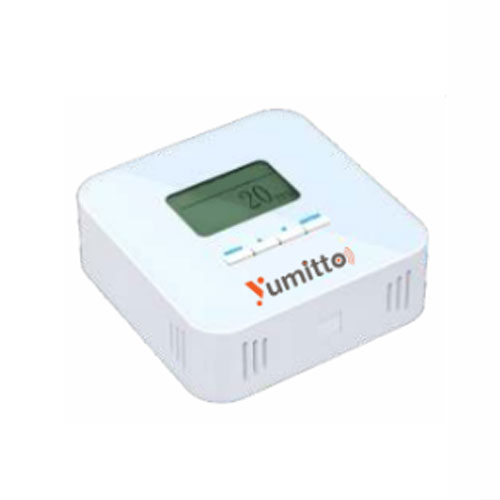
INDOOR SO2 SENSORS
Model
:
Y101 SERIES
Type
:
ROOM
Display
:
Display Available
Aplication
- Laboratory monitoring
- Factory environment monitoring
- Residential buildings classrooms, offices, hospital wards.
- Subway stations, airports, hotels, museums, sports centers, etc
- Exhibition hall, conference hall.
- Shopping places, entertainment venues, restaurants.

Specification

Ordering Guide


Indoor SO2 Sensors: Reliable Sulfur Dioxide Monitoring for Safer Indoor Environments
Indoor SO2 Sensors are specialized monitoring devices designed to detect and measure sulfur dioxide concentrations in indoor and controlled environments. Sulfur dioxide, commonly represented as SO2, is a gaseous compound that can be associated with combustion processes, industrial activities, fuel use, chemical processes, and certain manufacturing operations. Monitoring SO2 can be important wherever indoor air quality, worker exposure, process safety, environmental conditions, or industrial emissions need to be observed. Modern Indoor SO2 Sensors can provide continuous measurement and help organizations identify changes in sulfur dioxide concentration so that appropriate operational or safety measures can be considered.
Indoor SO2 Sensors
- Indoor SO2 Sensors are designed to detect sulfur dioxide concentrations within indoor environments.
- These sensors can be used in industrial facilities, laboratories, manufacturing areas, warehouses, boiler rooms, utility areas, and other locations where SO2 may be present.
- Continuous monitoring can provide information about changes in gas concentration over time.
- Real-time measurements can help facility operators identify unusual increases in SO2 levels.
- Indoor SO2 Sensors can be integrated into broader gas-monitoring and environmental-monitoring systems.
- They may support workplace monitoring programs where sulfur dioxide is a relevant environmental parameter.
- Sensor selection should consider the expected concentration range, accuracy requirements, response time, installation environment, and monitoring objectives.
- Proper sensor placement is important because gas distribution can vary according to ventilation, airflow, temperature, and the source of emissions.
- Regular maintenance and calibration can help maintain reliable measurement performance.
- Yumitto provides monitoring solutions for organizations looking for professional environmental and gas-sensing products.
SO2 Sensors
- SO2 Sensors are designed specifically for measuring sulfur dioxide gas.
- They can be used for continuous or periodic monitoring depending on the sensor system and application.
- Industrial environments may use SO2 Sensors around processes where sulfur-containing fuels or materials are involved.
- Laboratories can use them when sulfur dioxide is part of an experimental or chemical process.
- Monitoring can help organizations understand changing gas concentrations within a particular area.
- SO2 Sensors can be incorporated into fixed monitoring systems or other compatible measurement platforms.
- The appropriate technology should be selected according to the application and required measurement range.
- Sensor specifications such as sensitivity, selectivity, response time, operating temperature, and expected service life should be reviewed.
- Installation should be performed according to the manufacturer’s recommendations.
- Routine calibration can be important for maintaining measurement reliability over the operating life of the sensor.
Sulfur Dioxide Sensors
- Sulfur Dioxide Sensors provide a method for detecting and monitoring SO2 concentrations in air.
- Sulfur dioxide monitoring can be relevant in industrial, laboratory, energy, manufacturing, and environmental applications.
- These sensors can provide useful information when facilities need to track the presence of sulfur dioxide.
- Continuous measurement can help establish trends rather than relying only on occasional manual measurements.
- Sulfur Dioxide Sensors may be connected to displays, controllers, data acquisition systems, alarms, or building monitoring systems depending on their configuration.
- Sensor placement should account for the source of potential emissions and the movement of air through the monitored space.
- Facilities should avoid positioning sensors where airflow is blocked or where the reading may not represent the intended monitoring area.
- The selected sensor should match the expected gas concentration and environmental conditions.
- Regular inspection can help identify contamination, physical damage, or other conditions that could affect sensor performance.
- A professionally selected sulfur dioxide sensor can become an important component of an overall indoor gas-monitoring strategy.
SO2 Gas Sensors
- SO2 Gas Sensors are designed to detect sulfur dioxide in gaseous form.
- They can be used in areas where combustion, industrial processing, or chemical operations could result in SO2 generation.
- The sensors can provide continuous information about the concentration of sulfur dioxide around the monitoring point.
- SO2 Gas Sensors may be suitable for fixed installations in industrial and commercial environments.
- They can also be used as part of automated monitoring systems when compatible communication and control interfaces are available.
- Sensor selection should take into account measurement range and the required level of sensitivity.
- Environmental factors such as humidity, temperature, dust, and other gases may affect sensor performance depending on the sensing technology.
- Facilities should review cross-sensitivity information before selecting a sensor for a particular application.
- Calibration requirements should also be considered as part of the overall maintenance plan.
- Yumitto can be considered when sourcing SO2 gas-monitoring products for professional applications.
Sulfur Dioxide Monitor
- A Sulfur Dioxide Monitor is used to measure and display sulfur dioxide concentration in an environment.
- Monitoring equipment can provide operators with immediate information about current gas conditions.
- Depending on the product configuration, a monitor may include a sensor, display, alarm, data output, or communication interface.
- Industrial facilities can use sulfur dioxide monitoring to observe areas where SO2 may be generated.
- Laboratories may use monitoring systems around chemical processes involving sulfur dioxide.
- Monitoring can help provide historical information when data logging is available.
- A Sulfur Dioxide Monitor should be selected according to the facility’s measurement objectives.
- Operators should understand the measurement units, range, resolution, accuracy, and alarm settings of the selected system.
- Correct installation and calibration are important considerations for reliable monitoring.
- A suitable monitor can help organizations maintain greater visibility over sulfur dioxide conditions within their facilities.
SO2 Monitor
- An SO2 Monitor provides a dedicated method of observing sulfur dioxide concentration.
- It can be useful when a facility needs continuous awareness of SO2 conditions.
- An SO2 Monitor may be installed near potential emission sources or within areas where personnel could potentially encounter the gas.
- Monitoring locations should be determined through an appropriate assessment of the facility and airflow patterns.
- Digital displays can make measured values easier for operators to review.
- Alarm functions, where supported, can provide notifications when configured thresholds are reached.
- Data communication features may allow readings to be integrated with centralized monitoring systems.
- The monitor should be selected based on the required operating environment and measurement range.
- Regular maintenance can help identify sensor degradation or other performance issues.
- Organizations should follow applicable workplace, environmental, and equipment requirements when implementing SO2 monitoring.
Indoor Gas Sensors
- Indoor Gas Sensors are used to monitor specific gases within enclosed or partially enclosed environments.
- They can help organizations identify changes in indoor gas conditions.
- Different applications require different sensor technologies because gases have different chemical and physical characteristics.
- Indoor Gas Sensors can be used in industrial facilities, laboratories, warehouses, utility rooms, production areas, and other locations.
- SO2 sensing can be combined with monitoring for other gases where the facility’s risk assessment requires multiple parameters.
- Sensor placement should be based on the gas being monitored and the characteristics of the room.
- Ventilation patterns can significantly affect gas distribution.
- Sensors should be installed where measurements are representative of the monitoring objective.
- Routine inspection and calibration should form part of the maintenance program.
- A reliable indoor gas-sensing system can improve visibility into changing environmental conditions.
Air Quality Sensors
- Air Quality Sensors are used to measure different parameters that can influence indoor environmental conditions.
- Depending on the system, air-quality monitoring can include gases, particulate matter, temperature, humidity, and other parameters.
- SO2 can be one of the parameters monitored in environments where sulfur dioxide is relevant.
- Air Quality Sensors can support environmental monitoring programs by providing continuous measurement data.
- Industrial facilities may use these sensors to understand air conditions around specific processes.
- Laboratories can use air-quality monitoring as part of controlled environmental observation.
- Data from sensors can help identify trends and changes over time.
- Facilities should select sensors according to the specific parameters they need to measure.
- A single sensor should not be assumed to measure every air-quality parameter unless its specifications explicitly support those measurements.
- Proper installation, calibration, and maintenance are essential for meaningful air-quality data.
SO2 Detection Sensor
- An SO2 Detection Sensor is designed to identify the presence and concentration of sulfur dioxide.
- Detection can be particularly useful in locations where sulfur dioxide may be released during industrial or chemical processes.
- Continuous sensing can provide more timely information than occasional manual checks.
- SO2 Detection Sensor systems can potentially be integrated with alarms or facility monitoring systems.
- The sensor should be installed according to the expected source and movement of the gas.
- Placement near ventilation outlets, process equipment, or potential release points may be considered based on the monitoring objective.
- Sensor positioning should be determined by qualified personnel and facility-specific requirements.
- The expected concentration range should be reviewed before selecting the sensor.
- Cross-sensitivity and environmental effects should also be considered.
- Regular calibration and maintenance can help maintain the quality of detection data.
Gas Monitoring Sensors
- Gas Monitoring Sensors provide an important method of observing gases in industrial and indoor environments.
- Different sensors are designed to detect different gases, making application-specific selection important.
- SO2 monitoring can be included in a broader gas-monitoring strategy where sulfur dioxide is a relevant parameter.
- Gas Monitoring Sensors may provide continuous readings, alarms, data logging, or communication depending on the system.
- They can support process monitoring and environmental observation.
- Fixed gas sensors can be strategically distributed across a facility to provide coverage of important areas.
- The number and placement of sensors should be determined according to the facility’s processes and monitoring objectives.
- Sensor specifications should be checked for accuracy, range, response time, operating conditions, and maintenance requirements.
- Facilities should establish suitable inspection and calibration procedures.
- Professional gas monitoring equipment can provide valuable information for facility operators and environmental monitoring teams.
Indoor SO2 Sensors in India
- Indoor SO2 Sensors in India can be used across industrial, laboratory, manufacturing, research, energy, and commercial environments.
- India’s diverse industrial sector creates different requirements for indoor gas monitoring.
- Pharmaceutical and chemical facilities may require gas sensors around specific processes.
- Laboratories can use SO2 monitoring when sulfur dioxide is relevant to their work.
- Manufacturing plants can evaluate sensors for areas where combustion or sulfur-containing materials may be involved.
- Facilities should select sensors according to their specific environmental and operational requirements.
- Indian organizations can consider measurement range, sensor technology, installation requirements, calibration, and service support when sourcing products.
- Monitoring systems may also be integrated with facility automation or alarm systems where supported.
- Local operating conditions should be considered during product selection.
- Yumitto offers professional sensing and monitoring solutions for organizations seeking Indoor SO2 Sensors in India.
SO2 Sensors in Delhi
- SO2 Sensors in Delhi can support industrial, laboratory, research, healthcare, and commercial facilities requiring sulfur dioxide monitoring.
- Facilities in and around Delhi may have different monitoring requirements depending on their processes and operating environments.
- Fixed SO2 sensors can provide continuous information about sulfur dioxide levels in selected areas.
- Digital monitoring can help operators observe current measurements more conveniently.
- Sensor placement should be determined according to the potential source and airflow characteristics.
- Facilities should consider environmental factors such as temperature, humidity, dust, and other gases.
- Calibration requirements should be included in the monitoring plan.
- Alarm and communication functions can be useful when the application requires automated notifications.
- Product specifications should be reviewed before installation.
- Yumitto can help organizations exploring SO2 sensing solutions in Delhi and across India.
Sulfur Dioxide Sensors in Mumbai
- Sulfur Dioxide Sensors in Mumbai can be relevant to industrial facilities, laboratories, manufacturing plants, and other environments where SO2 monitoring is required.
- Facilities should determine monitoring points according to their processes and potential emission sources.
- Continuous sensors can help provide ongoing information about changing gas concentrations.
- Digital outputs can make measurements easier to review and record.
- Sensor selection should account for expected concentration and environmental conditions.
- Proper ventilation assessment can help determine appropriate sensor locations.
- Regular calibration can support measurement consistency.
- Monitoring systems can potentially be connected to alarms or centralized systems depending on product specifications.
- Organizations should follow appropriate installation and maintenance procedures.
- Yumitto can be considered for professional sulfur dioxide sensing requirements in Mumbai and other Indian locations.
SO2 Gas Sensors in Ahmedabad
- SO2 Gas Sensors in Ahmedabad can support industrial and manufacturing environments where sulfur dioxide monitoring is relevant.
- Ahmedabad and its surrounding industrial areas contain a range of manufacturing and processing facilities.
- Gas monitoring can provide useful information around processes that could generate sulfur dioxide.
- SO2 Gas Sensors can be installed at strategically selected locations.
- Facilities should consider process layout, ventilation, gas sources, and personnel areas when planning sensor placement.
- The required measurement range should be determined before choosing a sensor.
- Environmental compatibility should also be reviewed.
- Regular maintenance and calibration can support reliable monitoring performance.
- Data output and alarm features may be useful for facilities requiring centralized monitoring.
- Yumitto can support organizations looking for SO2 gas sensing solutions in Ahmedabad and across India.
Sulfur Dioxide Monitor in Pune
- A Sulfur Dioxide Monitor in Pune can be useful for laboratories, industrial facilities, manufacturing operations, and research environments.
- Monitoring systems can provide continuous visibility of sulfur dioxide concentration.
- Pune’s industrial and technology ecosystem includes facilities with different environmental monitoring requirements.
- A monitor can be positioned in locations where sulfur dioxide measurement is operationally relevant.
- Digital displays can allow personnel to review readings directly.
- Some monitoring systems can provide alarms when predefined limits are reached, depending on their configuration.
- Facilities should verify sensor range and accuracy before installation.
- Maintenance schedules should include inspection and calibration requirements.
- Monitoring data can also support trend analysis where data logging is available.
- Yumitto can be considered when sourcing sulfur dioxide monitoring solutions for Pune-based facilities.
SO2 Monitor in Bengaluru
- An SO2 Monitor in Bengaluru can be used in suitable industrial, laboratory, research, and manufacturing applications.
- Bengaluru has a broad range of technology, research, healthcare, and industrial facilities.
- SO2 monitoring can provide useful information when sulfur dioxide is relevant to a facility’s process or environmental conditions.
- Continuous measurement can help operators identify changes in gas concentration.
- Sensor placement should reflect the intended monitoring objective.
- Facilities should account for airflow and ventilation when choosing the installation point.
- The monitor’s operating temperature and humidity range should be compatible with the installation environment.
- Calibration and maintenance should be performed according to the manufacturer’s recommendations.
- Alarm and communication features can be evaluated according to facility requirements.
- Yumitto can provide professional options for organizations searching for SO2 monitoring solutions in Bengaluru.
Indoor Gas Sensors in Chennai
- Indoor Gas Sensors in Chennai can support facilities that require continuous observation of indoor gas conditions.
- Chennai’s industrial and manufacturing sectors include applications where gas monitoring can be relevant.
- SO2 sensors can be selected when sulfur dioxide is one of the required monitoring parameters.
- Other gas sensors can be combined into a broader monitoring system where necessary.
- Sensor placement should consider airflow, ventilation, potential emission points, and occupied areas.
- Facilities should identify the specific gases that need monitoring before selecting equipment.
- Environmental conditions should be checked against sensor specifications.
- Data outputs can be useful for facility monitoring and record keeping.
- Routine inspection and calibration can help support reliable measurements.
- Yumitto can be considered for indoor gas monitoring requirements in Chennai and across India.
Air Quality Sensors in Hyderabad
- Air Quality Sensors in Hyderabad can be used to monitor different indoor environmental parameters.
- Where sulfur dioxide is relevant, SO2 sensing can form part of an air-quality monitoring strategy.
- Hyderabad has significant pharmaceutical, biotechnology, research, healthcare, and industrial operations.
- Continuous monitoring can provide information about changes in environmental conditions.
- Sensors can be installed in suitable areas based on the monitoring objective.
- Facilities should identify the parameters that need to be monitored before selecting equipment.
- Sensor specifications should be checked for measurement range, accuracy, environmental tolerance, and maintenance requirements.
- Data logging can be useful for identifying trends over time when supported.
- Professional installation can help ensure appropriate sensor positioning.
- Yumitto offers monitoring solutions for organizations evaluating air-quality sensing requirements in Hyderabad and across India.
SO2 Detection Sensor in India
- An SO2 Detection Sensor in India can support organizations that need to detect and monitor sulfur dioxide in specific indoor environments.
- Industrial plants can evaluate SO2 detection around processes where sulfur dioxide may be generated.
- Laboratories can use detection systems when working with sulfur dioxide.
- Monitoring equipment can provide continuous measurements rather than relying only on periodic testing.
- Detection sensors can be integrated into broader safety or environmental monitoring systems where supported.
- The sensor’s detection range should match the expected conditions.
- Cross-sensitivity should be reviewed because other gases can influence certain sensing technologies.
- Environmental factors should also be evaluated during selection.
- Calibration and maintenance requirements should be understood before deployment.
- Yumitto can help organizations source professional SO2 detection solutions across India.
Gas Monitoring Sensors in India
- Gas Monitoring Sensors in India are used across numerous industrial, commercial, laboratory, and research applications.
- Organizations can select sensors according to the specific gas or gases they need to monitor.
- SO2 sensors are appropriate when sulfur dioxide is a required measurement parameter.
- Multi-gas monitoring can be considered when several gases need to be measured.
- Fixed sensors can provide continuous monitoring at selected locations.
- Data communication can allow sensor readings to be incorporated into centralized monitoring systems where supported.
- Alarm functions can provide an additional monitoring feature in suitable systems.
- Sensor placement should be based on the characteristics of the monitored environment.
- Maintenance and calibration are important parts of a long-term monitoring strategy.
- Yumitto can be explored by Indian organizations seeking professional gas monitoring products.
How Do Indoor SO2 Sensors Work?
- The sensing principle depends on the specific technology used by the sensor.
- Different sensor technologies are designed to respond to sulfur dioxide molecules and produce a measurable signal.
- The sensor converts the detected gas concentration into an electrical or digital output.
- The monitoring system can then display, record, transmit, or process the measurement.
- Some systems can provide alarms when measured concentrations reach configured thresholds.
- Sensor response can be influenced by environmental conditions and the presence of other gases.
- Manufacturer specifications should therefore be reviewed before using a sensor for a specific application.
- Calibration helps establish the relationship between sensor output and known gas concentration.
- Proper installation can improve the representativeness of measurements.
- Understanding the sensor’s operating principle can help facility managers plan appropriate maintenance and monitoring procedures.
Applications of Indoor SO2 Sensors
- Industrial facilities: SO2 Sensors can monitor areas associated with industrial processes.
- Chemical laboratories: They can be used when sulfur dioxide is involved in laboratory activities.
- Manufacturing plants: Sensors can support monitoring around relevant processes and equipment.
- Power and utility areas: SO2 monitoring may be considered where combustion-related emissions are relevant.
- Research facilities: Laboratories and research centers can use sensors for controlled monitoring applications.
- Pharmaceutical facilities: Monitoring may be considered for specific processes where SO2 is relevant.
- Environmental monitoring: Sensors can provide continuous data for suitable indoor applications.
- Storage areas: Monitoring can be considered where specific materials or processes could result in sulfur dioxide exposure.
- Industrial testing areas: Sensors can provide measurement information during controlled processes.
- Facility management: Gas sensors can become part of broader environmental monitoring infrastructure.
Benefits of Using Indoor SO2 Sensors
- Continuous monitoring can provide more frequent information than occasional manual testing.
- Digital measurement can make current gas conditions easier to review.
- Automated monitoring can support faster identification of concentration changes.
- Data logging can help facilities analyze trends where supported.
- Alarm functions can provide notifications when configured thresholds are exceeded.
- Integration capabilities can allow sensor readings to be connected with larger monitoring systems.
- Properly positioned sensors can provide information about specific areas of interest.
- Monitoring can support facility-level environmental management.
- Regular measurement can improve visibility into changing indoor gas conditions.
- A professional SO2 monitoring solution can complement broader workplace and environmental monitoring practices.
Factors to Consider Before Buying Indoor SO2 Sensors
- Measurement range: Select a sensor suitable for the expected sulfur dioxide concentration.
- Accuracy: Review the manufacturer’s stated accuracy and measurement specifications.
- Response time: Consider how quickly the sensor needs to respond to changes.
- Sensor technology: Compare the sensing principle and suitability for the application.
- Cross-sensitivity: Check how other gases may influence measurements.
- Operating environment: Verify temperature and humidity compatibility.
- Installation: Determine suitable mounting and sensor placement.
- Output: Check whether analog, digital, relay, or communication outputs are required.
- Alarm: Evaluate alarm capabilities if notifications are part of the application.
- Calibration: Understand the required calibration schedule and procedure.
- Maintenance: Consider sensor replacement and routine inspection requirements.
- Data logging: Determine whether historical measurement records are required.
- Service support: Select a supplier capable of supporting the intended application.
Maintenance of Indoor SO2 Sensors
- Follow the manufacturer’s recommended maintenance schedule.
- Inspect the sensor periodically for dust, contamination, or physical damage.
- Verify that the sensor remains securely installed.
- Check connections and power supply where applicable.
- Perform calibration according to the product’s specifications.
- Keep records of calibration and maintenance activities.
- Investigate unusual readings rather than assuming they are caused by actual environmental changes.
- Replace sensor components when their service life or condition requires replacement.
- Ensure ventilation or environmental changes have not altered the suitability of the original sensor location.
- Use appropriate qualified personnel for technical maintenance and calibration activities.
FAQs About Indoor SO2 Sensors
What is an Indoor SO2 Sensor?
An Indoor SO2 Sensor is a device designed to detect and measure sulfur dioxide concentration in an indoor or controlled environment.
What does SO2 stand for?
SO2 is the chemical formula commonly used for sulfur dioxide, a gas containing sulfur and oxygen.
Where are Indoor SO2 Sensors used?
They can be used in industrial facilities, laboratories, manufacturing plants, utility areas, research facilities, and other locations where sulfur dioxide monitoring is relevant.
Why is SO2 monitoring important?
Monitoring provides information about sulfur dioxide concentrations and can support environmental observation, process monitoring, and applicable workplace monitoring programs.
Can SO2 Sensors provide continuous monitoring?
Many fixed SO2 monitoring systems are designed for continuous measurement, depending on the specific product configuration.
Can an SO2 sensor be connected to an alarm system?
Some systems provide alarm or communication outputs. The available functionality depends on the specific sensor and monitoring system.
How should an SO2 sensor be installed?
Installation should be based on the monitoring objective, potential gas sources, airflow, ventilation, and the manufacturer’s installation requirements.
Do SO2 Sensors require calibration?
Sensor calibration requirements depend on the technology and manufacturer. Regular calibration is commonly part of maintaining reliable gas measurements.
Can SO2 monitoring be combined with other gas monitoring?
Yes, facilities may use multi-parameter or multi-gas systems when they need to monitor several gases, provided the selected equipment supports those measurements.
What should I check before buying an SO2 Sensor?
Review measurement range, accuracy, response time, sensing technology, cross-sensitivity, environmental specifications, output options, calibration requirements, and service support.
Where can I buy Indoor SO2 Sensors in India?
Businesses and facility managers can explore professional SO2 sensing and monitoring solutions from Yumitto for applications across India.
Conclusion
- Indoor SO2 Sensors provide an effective way to continuously monitor sulfur dioxide concentrations in suitable indoor and industrial environments.
- They can support laboratories, manufacturing facilities, research centers, pharmaceutical operations, utility areas, and other applications where SO2 measurement is relevant.
- Selecting the right sensor requires consideration of measurement range, accuracy, response time, environmental conditions, cross-sensitivity, installation, calibration, and maintenance.
- Proper sensor placement is also important because airflow and ventilation can influence gas distribution within an indoor environment.
- When integrated with displays, alarms, data logging, or centralized monitoring systems, SO2 sensors can provide useful information for facility operators.
- Organizations looking for reliable Indoor SO2 Sensors can explore suitable professional monitoring solutions from Yumitto.
- Visit Yumitto to explore gas monitoring and environmental sensing solutions designed for industrial and professional applications across India.