



ROOM OXYGEN SENSOR (02)
Model
:
Y104 SERIES
Type
:
ROOM
Display
:
Display Available
Aplication
- Home indoor environment monitoring
- Factory environment monitoring
- Office building environmental monitoring
- Airports, subway stations, hotels, museums, sports centers, etc.

Specification

Ordering Guide


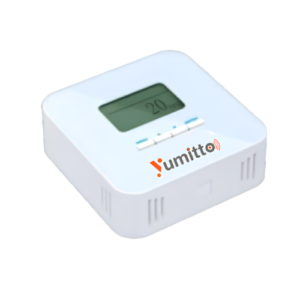
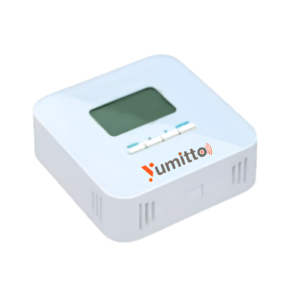
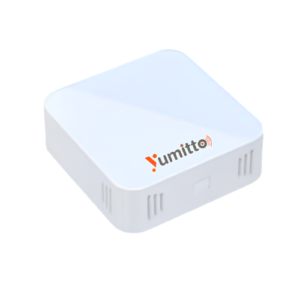
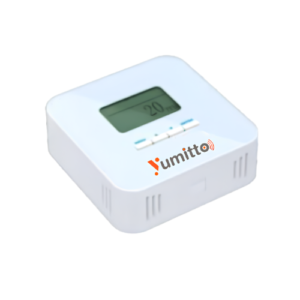
Room Oxygen Sensor (O₂): Complete Guide to Indoor Oxygen Monitoring
A Room Oxygen Sensor is an important monitoring device designed to measure oxygen concentration within an indoor or controlled environment. Maintaining awareness of oxygen levels is particularly important in laboratories, cleanrooms, healthcare facilities, industrial areas, enclosed workspaces, research facilities, and other environments where oxygen concentration may need continuous observation. A reliable oxygen monitoring solution can help organizations identify abnormal changes in oxygen concentration and support better environmental and workplace safety practices. Modern oxygen sensors can provide continuous readings and can be integrated into monitoring systems depending on the application and configuration.
Room Oxygen Sensor
A Room Oxygen Sensor continuously measures oxygen concentration in an indoor environment and provides information about the current oxygen level. These sensors can be used as part of environmental monitoring systems where oxygen concentration needs to be observed regularly.
- Designed for indoor oxygen concentration monitoring.
- Helps provide continuous awareness of oxygen levels.
- Suitable for controlled environments.
- Can be used in laboratories and industrial facilities.
- Useful for cleanroom environmental monitoring.
- Can support safety monitoring strategies.
- May be integrated with monitoring or automation systems.
- Suitable for applications requiring real-time oxygen measurement.
- Can be selected according to required measurement range and accuracy.
- Available in configurations suitable for different installation requirements.
- Can support centralized monitoring when compatible with the control system.
- Useful for identifying changes in room oxygen concentration.
Oxygen concentration can change for several reasons depending on the environment. Therefore, continuous measurement can provide useful information compared with occasional manual measurements.
Oxygen Sensor
An Oxygen Sensor is a sensing device that measures the concentration of oxygen in a particular environment. Oxygen sensors are used across industrial, commercial, scientific, medical, and environmental applications.
- Measures oxygen concentration in air or a specified environment.
- Provides information for monitoring oxygen conditions.
- Can be used in fixed monitoring applications.
- Suitable for selected industrial environments.
- Can be installed in controlled indoor areas.
- May be integrated into building or process monitoring systems.
- Sensor technology should be selected according to the application.
- Measurement range should match the intended environment.
- Accuracy requirements should be established before selection.
- Calibration requirements should be considered.
- Installation location can influence measurement performance.
- Periodic maintenance may be required depending on sensor technology.
Different oxygen sensor technologies have different characteristics, response times, operating ranges, and maintenance requirements. The correct sensor should therefore be selected according to the application rather than based only on the product name.
Room Oxygen Monitor
A Room Oxygen Monitor provides an accessible way to observe oxygen concentration within an indoor space. It can be useful where environmental conditions need to be continuously monitored.
- Displays or communicates oxygen concentration depending on configuration.
- Can support continuous environmental observation.
- Useful in laboratories and controlled rooms.
- Can be used in industrial workplaces.
- Suitable for selected cleanroom applications.
- May provide local indication.
- Can potentially connect to an external monitoring system.
- Alarm functionality may be available depending on the system configuration.
- Can help personnel identify abnormal oxygen conditions.
- Supports data-driven environmental management.
A room oxygen monitoring system can be particularly useful in locations where oxygen displacement or changes in atmospheric composition may occur due to industrial processes, gas storage, laboratory operations, or other activities.
Oxygen Monitor
An Oxygen Monitor is designed to provide ongoing information about oxygen concentration. Depending on the configuration, an oxygen monitor may provide a local display, communication output, alarm functionality, or integration with a larger environmental monitoring system.
- Provides oxygen concentration readings.
- Can support continuous monitoring.
- Suitable for fixed installations.
- Useful for industrial and laboratory environments.
- Can support environmental safety programs.
- May be connected to centralized monitoring systems.
- Can help identify unusual oxygen concentration changes.
- Supports regular observation of controlled spaces.
- Can be selected according to required measurement range.
- Requires suitable installation and calibration practices.
An oxygen monitor should be positioned where it can provide representative measurements of the environment being monitored. Sensor placement should be determined according to room layout, potential oxygen sources or displacement sources, airflow, ventilation, and the application requirements.
Oxygen Sensor Manufacturer
Choosing a reliable Oxygen Sensor Manufacturer is important for applications where measurement consistency and dependable monitoring are required.
- The manufacturer should provide appropriate sensor specifications.
- Measurement range should be clearly defined.
- Accuracy information should be available.
- Operating conditions should be considered.
- Installation requirements should be documented.
- Calibration requirements should be understood.
- Output options should match the monitoring system.
- Product construction should suit the intended environment.
- Technical support can simplify product selection.
- Quality control should be considered before purchase.
- Documentation should be available for installation and operation.
- The manufacturer should understand industrial monitoring requirements.
Yumitto provides industrial monitoring solutions designed for applications requiring measurement of environmental parameters. Customers should evaluate product specifications against their actual application before final selection.
Oxygen Sensor Supplier
An experienced Oxygen Sensor Supplier can help customers select and procure an oxygen monitoring solution according to application requirements.
- Suppliers should understand the intended application.
- Required measurement range should be confirmed.
- Installation environment should be discussed.
- Output requirements should be established.
- Display requirements should be identified.
- Communication protocols should be considered where applicable.
- Power requirements should be checked.
- Calibration requirements should be clarified.
- Delivery requirements should be confirmed.
- Technical documentation should be available.
- After-sales support can be valuable for industrial applications.
For projects involving multiple monitoring points, it is particularly important to confirm consistency between sensors and compatibility with the overall monitoring architecture.
Indoor Oxygen Sensor
An Indoor Oxygen Sensor is designed to measure oxygen concentration within indoor spaces. Indoor environments can vary significantly in terms of ventilation, occupancy, equipment, process activities, and potential gas sources.
- Suitable for indoor environmental monitoring.
- Can be installed in selected controlled rooms.
- Useful in laboratories.
- Can support industrial workplace monitoring.
- Suitable for selected cleanroom environments.
- Can help monitor oxygen concentration continuously.
- Installation height and position should be selected appropriately.
- Airflow should be considered during installation.
- Sensor exposure should match the intended application.
- Calibration and maintenance should follow manufacturer recommendations.
Indoor oxygen monitoring can provide an additional layer of environmental awareness where changes in atmospheric composition could affect workplace conditions.
Digital Oxygen Sensor
A Digital Oxygen Sensor can provide oxygen measurement in a digital monitoring environment, depending on the sensor’s design and output configuration.
- Supports digital measurement applications.
- Can provide stable sensor readings when correctly installed and calibrated.
- May integrate with monitoring controllers.
- Suitable for modern environmental monitoring systems.
- Can support automated data collection.
- May offer communication capabilities depending on model.
- Helps simplify integration into digital monitoring infrastructure.
- Useful for multiple monitoring points.
- Can support centralized monitoring.
- Measurement specifications should be checked before installation.
The term digital does not by itself define the sensor’s accuracy or application suitability. Buyers should review the complete technical specification, including sensor technology, range, accuracy, response time, output, operating conditions, and calibration requirements.
Oxygen Level Sensor
An Oxygen Level Sensor measures the concentration of oxygen in the monitored environment and helps users maintain awareness of oxygen conditions.
- Provides information about current oxygen concentration.
- Useful for continuous environmental monitoring.
- Suitable for industrial applications.
- Can support laboratory monitoring.
- Can be incorporated into cleanroom monitoring.
- Useful in controlled indoor environments.
- May support alarm systems when appropriately configured.
- Can provide local or remote readings depending on system design.
- Requires appropriate sensor positioning.
- Should be maintained and calibrated according to applicable recommendations.
The normal oxygen concentration of an environment should be understood before establishing monitoring criteria. Alarm limits and response procedures should be determined by qualified safety personnel based on the specific application.
Industrial Oxygen Sensor
An Industrial Oxygen Sensor is intended for environments where oxygen monitoring is an important part of operational or environmental management.
- Suitable for selected industrial facilities.
- Can be used around controlled process areas.
- Useful for laboratory and manufacturing environments.
- Can support continuous monitoring.
- May be integrated with industrial control systems.
- Can support centralized environmental monitoring.
- Suitable sensor construction should be selected according to the environment.
- Operating temperature and humidity should be considered.
- Sensor placement should reflect the potential source of oxygen variation.
- Maintenance schedules should be established.
Industrial environments can involve gases, ventilation systems, enclosed areas, production equipment, and other factors that can influence atmospheric conditions. A properly selected oxygen sensor can help provide continuous information about those conditions.
Room Oxygen Sensor Manufacturer in India
A Room Oxygen Sensor Manufacturer in India can support organizations looking for locally available oxygen monitoring solutions for industrial, laboratory, cleanroom, healthcare, and controlled environments.
- Indian industrial facilities can require continuous environmental monitoring.
- Laboratories may require oxygen measurement in selected rooms.
- Cleanrooms can incorporate oxygen monitoring into environmental systems.
- Manufacturing facilities may need fixed monitoring points.
- Product specifications should be reviewed before procurement.
- Installation requirements should be confirmed.
- Calibration requirements should be understood.
- Communication and output requirements should be matched with the existing system.
- Technical support can simplify installation and commissioning.
- Product selection should be based on the actual application.
Room Oxygen Sensor Supplier in India
A Room Oxygen Sensor Supplier in India can provide oxygen monitoring equipment for a range of industrial and commercial applications.
- Suppliers can assist with product selection.
- Customers should specify the room type and application.
- Measurement range should be confirmed.
- Required accuracy should be established.
- Installation requirements should be discussed.
- Output requirements should be specified.
- Quantity and monitoring points should be identified.
- Documentation should be requested where required.
- Delivery schedules should be confirmed.
- Technical support should be considered for larger installations.
Oxygen Sensor Manufacturer in Delhi
An Oxygen Sensor Manufacturer in Delhi can serve organizations requiring oxygen monitoring solutions for laboratories, industrial facilities, research environments, healthcare-related spaces, and other controlled indoor areas.
- Suitable products should be selected according to the application.
- Room dimensions and ventilation should be considered.
- Sensor placement should be determined carefully.
- Measurement range should match the intended environment.
- Calibration requirements should be reviewed.
- Output compatibility should be verified.
- Installation and commissioning requirements should be discussed.
Oxygen Sensor Supplier in Mumbai
An Oxygen Sensor Supplier in Mumbai can support industrial and commercial users looking for oxygen monitoring solutions for controlled indoor environments.
- Industrial facilities may require fixed oxygen monitoring.
- Laboratories can use oxygen sensors for environmental observation.
- Controlled rooms may benefit from continuous measurements.
- Product specifications should be verified before purchase.
- Environmental conditions should be considered during selection.
- Sensor installation should follow the manufacturer’s recommendations.
- Maintenance requirements should be planned.
Oxygen Sensor Manufacturer in Bangalore
An Oxygen Sensor Manufacturer in Bangalore can provide oxygen monitoring solutions for technology facilities, laboratories, manufacturing environments, research spaces, and other controlled applications.
- Sensor technology should be selected according to the application.
- Accuracy requirements should be established.
- Measurement range should be confirmed.
- Installation conditions should be reviewed.
- Data output requirements should be considered.
- Calibration and maintenance should be included in the monitoring plan.
- Integration requirements should be verified before installation.
Oxygen Sensor Supplier in Hyderabad
An Oxygen Sensor Supplier in Hyderabad can support customers requiring oxygen concentration monitoring in industrial, laboratory, research, and controlled indoor environments.
- Application requirements should be defined before procurement.
- Required sensor range should be identified.
- Output type should be compatible with the monitoring system.
- Sensor location should be planned.
- Environmental conditions should be considered.
- Calibration requirements should be established.
- Product documentation should be reviewed.
Oxygen Sensor Manufacturer in Chennai
An Oxygen Sensor Manufacturer in Chennai can support oxygen monitoring requirements for industrial facilities, laboratories, controlled rooms, and other applications.
- Select the sensor according to the operating environment.
- Confirm the required measurement range.
- Verify temperature and humidity limits.
- Check output compatibility.
- Establish installation requirements.
- Plan calibration and maintenance.
- Consider the overall monitoring system before selection.
Oxygen Sensor Supplier in Pune
An Oxygen Sensor Supplier in Pune can provide oxygen monitoring solutions for manufacturing facilities, laboratories, research environments, and other indoor applications.
- Confirm the application before selecting a sensor.
- Identify the required measurement range.
- Consider the room ventilation characteristics.
- Determine appropriate sensor positioning.
- Check power requirements.
- Confirm output and communication requirements.
- Review calibration procedures.
- Plan routine maintenance where required.
Oxygen Sensor Manufacturer in Ahmedabad
An Oxygen Sensor Manufacturer in Ahmedabad can support industrial customers requiring oxygen concentration monitoring in controlled and process-related environments.
- Industrial applications can require continuous oxygen observation.
- Sensor specifications should match the intended environment.
- Installation location should be selected carefully.
- Measurement accuracy should be reviewed.
- Environmental operating limits should be checked.
- Integration requirements should be established.
- Calibration should be performed according to the applicable requirements.
Room Oxygen Sensor Supplier in Noida
A Room Oxygen Sensor Supplier in Noida can provide oxygen monitoring solutions for industrial facilities, laboratories, controlled rooms, and other indoor applications.
- Determine the purpose of oxygen monitoring.
- Confirm the required sensor range.
- Review installation requirements.
- Check output compatibility.
- Confirm power requirements.
- Establish calibration requirements.
- Plan sensor maintenance.
- Consider integration with existing environmental monitoring systems.
Why Oxygen Monitoring Is Important
Oxygen is an essential component of the atmosphere, but abnormal oxygen concentration can create safety concerns depending on the environment. Continuous monitoring can provide useful information in spaces where oxygen concentration may change due to industrial processes, gas handling, ventilation conditions, or other activities.
- Provides continuous visibility into oxygen concentration.
- Helps identify unexpected changes.
- Supports workplace environmental monitoring.
- Can complement existing gas detection systems.
- Can support facility safety procedures.
- Useful for controlled and enclosed environments.
- Provides measurement data for monitoring systems.
- Can support alarm-based responses when properly configured.
- Helps organizations maintain greater awareness of environmental conditions.
An oxygen sensor should not be considered a replacement for a complete safety program. Facilities should establish appropriate risk assessments, ventilation controls, emergency procedures, alarms, and personnel training according to the specific application.
Applications of Room Oxygen Sensor
A Room Oxygen Sensor can be used across multiple industries and controlled environments.
Laboratories
- Useful for monitoring oxygen concentration in laboratory rooms.
- Can support environmental monitoring programs.
- Suitable for selected research and testing environments.
- Can be integrated with laboratory monitoring systems.
Cleanrooms
- Can support environmental parameter monitoring.
- Useful where controlled atmospheric conditions are required.
- Can be incorporated into centralized monitoring systems.
- Provides additional information about room conditions.
Healthcare Facilities
- May be used in selected controlled areas.
- Can support environmental monitoring where oxygen concentration needs observation.
- Product selection should follow the facility’s technical and safety requirements.
Industrial Facilities
- Useful for process-related monitoring.
- Can support workplace environmental awareness.
- Suitable for selected manufacturing areas.
- Can be integrated into facility monitoring systems.
Research Facilities
- Supports continuous oxygen measurement.
- Useful for controlled experimental environments.
- Can provide measurement data for environmental monitoring.
Storage and Gas Handling Areas
- Can be considered where gas handling activities may influence room atmosphere.
- Sensor placement should be based on risk assessment.
- Appropriate alarm and emergency systems should be implemented where necessary.
Benefits of Room Oxygen Sensor
Using a suitable Room Oxygen Sensor can provide several benefits for facilities requiring continuous oxygen measurement.
- Continuous oxygen concentration monitoring.
- Improved awareness of indoor atmospheric conditions.
- Support for environmental safety programs.
- Potential integration with centralized monitoring systems.
- Suitable for automated monitoring applications.
- Helps identify changes in oxygen concentration.
- Supports data-based facility management.
- Can complement other gas monitoring equipment.
- Useful in controlled indoor environments.
- Supports regular monitoring without relying exclusively on manual measurement.
- Can help facilities establish defined monitoring procedures.
The actual benefits depend on correct product selection, installation, calibration, maintenance, and integration with the overall safety system.
How to Select a Room Oxygen Sensor
Selecting an oxygen sensor should be based on the application rather than only the product name.
Measurement Range
- Determine the oxygen concentration range that needs to be measured.
- Ensure the sensor’s range is appropriate for the intended environment.
Accuracy
- Establish the required measurement accuracy.
- Consider the requirements of the application and monitoring system.
Response Time
- Review the sensor response time.
- Select an appropriate sensor for applications where rapid changes need to be detected.
Installation
- Determine whether wall, panel, duct, or another mounting configuration is required.
- Consider room airflow and sensor positioning.
Output
- Confirm whether analog, digital, relay, or communication output is required.
- Ensure compatibility with the monitoring controller.
Operating Conditions
- Review temperature and humidity limits.
- Consider dust, chemicals, moisture, and other environmental factors.
Calibration
- Understand calibration requirements.
- Establish an appropriate calibration schedule.
Maintenance
- Consider sensor lifespan and maintenance requirements.
- Plan replacement or servicing according to manufacturer recommendations.
Installation Considerations for Room Oxygen Sensor
Correct installation is important for reliable oxygen measurement.
- Select a representative measurement location.
- Avoid placing the sensor where airflow is unusually strong unless the installation is specifically designed for it.
- Consider possible oxygen sources or displacement sources.
- Keep the sensor accessible for maintenance.
- Avoid locations that may expose the sensor to incompatible contaminants.
- Follow the manufacturer’s mounting recommendations.
- Ensure appropriate power supply.
- Confirm wiring and output connections.
- Verify communication with the monitoring system.
- Perform initial calibration or verification where required.
- Test the monitoring system after installation.
- Establish alarm and response procedures where applicable.
Sensor placement should ultimately be determined according to the specific room, ventilation pattern, risk assessment, and engineering requirements.
Calibration and Maintenance
Regular maintenance helps ensure that an oxygen monitoring system continues to provide useful measurements.
- Follow the manufacturer’s calibration recommendations.
- Check sensor performance periodically.
- Inspect the sensor for contamination or physical damage.
- Verify electrical connections.
- Check display or communication outputs.
- Test connected alarms where applicable.
- Maintain records of calibration and servicing.
- Replace sensors or sensing elements according to their specified service life.
- Investigate unexpected readings promptly.
- Keep monitoring equipment clean and protected from unsuitable environmental exposure.
Maintenance frequency can vary depending on sensor technology, operating conditions, environmental contaminants, and application criticality.
Room Oxygen Sensor vs. General Gas Monitoring
Oxygen monitoring and general gas monitoring serve different purposes, although both can form part of a broader facility safety strategy.
- An oxygen sensor specifically measures oxygen concentration.
- Other gas sensors measure specific gases such as carbon dioxide, carbon monoxide, VOCs, or other target gases.
- A facility may require multiple sensors depending on the identified hazards.
- Oxygen monitoring does not automatically detect every hazardous gas.
- Gas monitoring should be based on a facility-specific risk assessment.
- Alarm thresholds should be established according to applicable safety requirements.
- Sensor placement should reflect the characteristics of the target gas and the room environment.
For facilities with multiple potential atmospheric hazards, a comprehensive monitoring strategy may combine oxygen sensing with other gas detection technologies.
Why Choose Yumitto for Room Oxygen Sensor?
Yumitto provides industrial environmental monitoring products designed for applications where accurate measurement and continuous monitoring are important.
- Suitable solutions for indoor environmental monitoring.
- Products designed for industrial and controlled environments.
- Focus on reliable measurement.
- Options for different monitoring requirements.
- Suitable for laboratory and industrial applications.
- Support for environmental parameter monitoring.
- Product selection based on application requirements.
- Solutions that can be incorporated into broader monitoring systems.
- Technical specifications can be reviewed according to project needs.
- Suitable for customers requiring professional environmental monitoring equipment.
Customers should provide details such as room type, application, required range, installation method, output requirements, and quantity when requesting a suitable oxygen monitoring solution.
Frequently Asked Questions About Room Oxygen Sensor
What is a Room Oxygen Sensor?
A Room Oxygen Sensor is a device designed to measure oxygen concentration within an indoor environment. It can provide continuous information about oxygen levels for environmental and safety monitoring.
Where can a Room Oxygen Sensor be used?
It can be used in laboratories, cleanrooms, industrial facilities, research areas, controlled rooms, and other environments where oxygen concentration needs to be monitored.
Why is oxygen monitoring important?
Monitoring oxygen concentration can help facilities identify changes in atmospheric conditions and support appropriate safety and environmental monitoring procedures.
Can the sensor provide continuous monitoring?
Yes, fixed oxygen monitoring solutions are generally designed for continuous measurement, subject to the specifications and configuration of the particular sensor system.
Can an oxygen sensor be connected to an alarm system?
Depending on the product configuration, oxygen monitoring equipment may support alarm outputs or integration with an external monitoring system. The exact functionality should be confirmed from the product specification.
What factors should be considered when installing an oxygen sensor?
Room layout, ventilation, airflow, potential oxygen sources or displacement sources, accessibility, environmental conditions, sensor specifications, and the overall safety strategy should be considered.
Does an oxygen sensor detect other gases?
A dedicated oxygen sensor measures oxygen concentration. It should not be assumed to detect other gases unless the monitoring system is specifically designed with additional gas sensors.
How often should an oxygen sensor be calibrated?
Calibration frequency depends on the sensor technology, manufacturer recommendations, operating environment, and application requirements. A suitable calibration schedule should be established for the installation.
Can Room Oxygen Sensors be used in cleanrooms?
Yes, suitable oxygen sensors can be incorporated into cleanroom environmental monitoring systems when their specifications and installation requirements are compatible with the cleanroom application.
What information should I provide when purchasing an oxygen sensor?
Customers should provide the application, room type, required measurement range, accuracy requirements, installation method, output requirements, environmental conditions, quantity, and any monitoring-system integration requirements.
Conclusion
A Room Oxygen Sensor is an important solution for continuous monitoring of oxygen concentration in controlled indoor environments. From laboratories and cleanrooms to industrial facilities, research areas, and selected healthcare environments, oxygen monitoring can provide valuable information about atmospheric conditions and support facility safety procedures.
Choosing the correct sensor requires consideration of measurement range, accuracy, response time, installation location, environmental conditions, output, calibration, maintenance, and system integration. Proper installation and periodic maintenance are equally important for obtaining dependable measurements throughout the sensor’s operating life.
For organizations looking for a reliable Oxygen Sensor Manufacturer or Oxygen Sensor Supplier, Yumitto offers solutions for industrial and indoor environmental monitoring requirements. Contact Yumitto with your application details to select a suitable Room Oxygen Sensor for your monitoring needs.