



INDOOR FREON SENSOR
Model
:
Y110 SERIES
Type
:
ROOM
Display
:
Display Available
Aplication
- Residential environment monitoring Factory environment.
- Environmental monitoring of air conditioning room.
- Freon leakage detection for large refrigeration equipment
- such as central air conditioning and refrigerators.

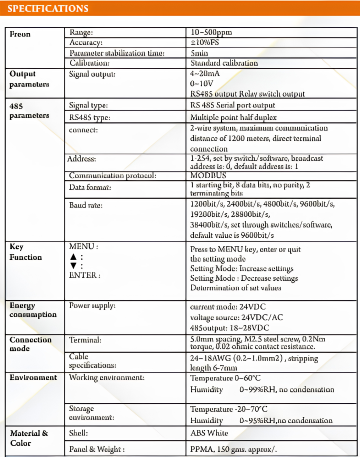
Specification
Ordering Guide
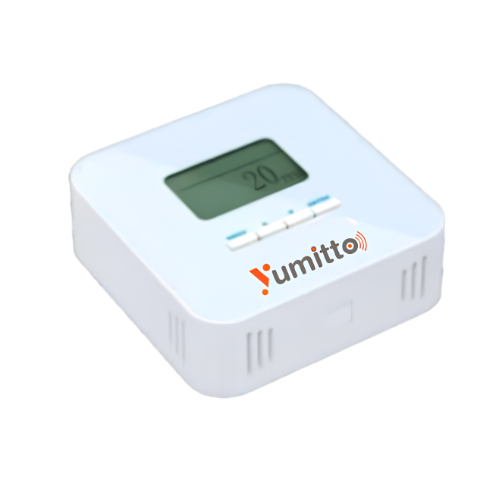

Indoor Freon Sensor for Reliable Refrigerant Gas Monitoring
An Indoor Freon Sensor is a useful gas monitoring solution for locations where refrigerants are stored, used, or handled. The term Freon is commonly used for certain refrigerant products, while modern refrigeration and air-conditioning systems use a range of different refrigerant gases. Because refrigerant leaks may not always be immediately noticeable, appropriate gas monitoring can provide valuable information in enclosed areas such as refrigeration rooms, HVAC service areas, cold storage facilities, laboratories, and industrial plants.
A suitable Freon Gas Sensor can help facilities monitor refrigerant-related conditions and support ventilation, alarm, maintenance, and workplace safety procedures. The exact sensor should always be selected according to the refrigerant actually used in the facility because different refrigerants have different properties and detection requirements.
Indoor Freon Sensor
An Indoor Freon Sensor is designed for monitoring refrigerant-related conditions in indoor environments. Refrigerants are widely used in air-conditioning, refrigeration, heat-pump, cold-storage, and industrial cooling applications.
Key considerations include:
- Monitoring areas containing refrigeration equipment.
- Supporting leak detection strategies.
- Monitoring enclosed mechanical rooms.
- Providing additional awareness of abnormal refrigerant conditions.
- Supporting local or centralized alarms.
- Helping maintenance teams identify potential refrigerant leakage.
- Supporting ventilation and workplace safety systems.
- Integrating monitoring with building or industrial control systems where appropriate.
The exact monitoring method should be selected according to the refrigerant type, expected concentration range, room characteristics, and application requirements.
Freon Gas Sensor
A Freon Gas Sensor can be used to monitor refrigerant gases in areas where refrigeration and HVAC equipment is installed or serviced. Freon is a commercial name historically associated with several refrigerant products, so it is important to identify the actual refrigerant before selecting a sensor.
A suitable Freon Gas Sensor may be considered for:
- Refrigeration rooms.
- HVAC mechanical rooms.
- Cold storage facilities.
- Commercial refrigeration areas.
- Industrial cooling plants.
- Refrigerant storage areas.
- Service and maintenance rooms.
- Laboratories.
- Food-processing facilities.
- Chiller and cooling-system areas.
When selecting a sensor, users should verify compatibility with the specific refrigerant used in their equipment.
Freon Sensor
A Freon Sensor can provide continuous or periodic monitoring of refrigerant-related conditions. The value of monitoring depends on the facility’s equipment, refrigerant type, room size, ventilation, and safety requirements.
Important selection factors include:
- Refrigerant type.
- Required detection range.
- Sensor technology.
- Response characteristics.
- Environmental operating conditions.
- Installation location.
- Alarm requirements.
- Communication requirements.
- Calibration requirements.
- Maintenance schedule.
A properly selected Freon Sensor can form part of a broader refrigeration and workplace monitoring system.
Indoor Freon Gas Sensor
An Indoor Freon Gas Sensor can be installed in enclosed areas where refrigerant leakage is a potential concern. A refrigerant leak can affect the surrounding environment and may also indicate a problem with refrigeration equipment.
Important installation considerations include:
- Identify potential refrigerant leak sources.
- Evaluate room ventilation.
- Consider the physical properties of the refrigerant.
- Select a representative monitoring location.
- Keep the sensor accessible for maintenance.
- Consider alarm visibility and audibility.
- Connect to centralized monitoring where required.
- Follow the sensor manufacturer’s installation instructions.
Sensor placement should be based on the actual refrigerant and room conditions rather than a generic installation approach.
Refrigerant Gas Sensor
A Refrigerant Gas Sensor is a broader term for a sensor designed to detect or monitor specific refrigerant gases. Modern refrigeration systems use many different refrigerants, including various HFC, HFO, HCFC, and other refrigerant formulations.
Before purchasing a Refrigerant Gas Sensor, facilities should identify:
- Exact refrigerant designation.
- Equipment type.
- Potential leakage points.
- Room dimensions.
- Ventilation conditions.
- Required detection range.
- Required alarm thresholds.
- Environmental conditions.
This information helps ensure that the selected sensor is appropriate for the actual application.
Refrigerant Sensor
A Refrigerant Sensor can support refrigeration system safety and maintenance by monitoring the surrounding environment for the target refrigerant. Refrigerant monitoring may be useful in facilities where equipment operates continuously or where personnel regularly work near refrigeration systems.
Potential benefits include:
- Continuous environmental monitoring.
- Early awareness of refrigerant leakage.
- Support for alarm systems.
- Better visibility of mechanical-room conditions.
- Assistance with maintenance procedures.
- Support for ventilation strategies.
- Integration with facility monitoring systems.
The sensor should be considered part of a complete refrigeration safety and maintenance strategy.
Freon Gas Monitor
A Freon Gas Monitor combines gas sensing with monitoring and, depending on the configuration, alarm or communication functions.
A typical monitoring arrangement may include:
- Gas sensing element.
- Electronic measurement system.
- Digital display.
- Visual alarm.
- Audible alarm.
- Relay outputs.
- Communication interface.
- Central monitoring connection.
- Data logging, where supported.
For larger refrigeration facilities, multiple monitoring points may be connected to a centralized system to provide a better overview of refrigerant conditions across different rooms.
A Freon Gas Monitor should be selected according to the specific refrigerant and the facility’s monitoring objectives.
Freon Monitor
A Freon Monitor can provide ongoing awareness of refrigerant conditions in refrigeration and HVAC environments.
Potential applications include:
- Cold rooms.
- Refrigeration machinery rooms.
- Chiller rooms.
- HVAC service areas.
- Industrial cooling facilities.
- Food-processing plants.
- Commercial refrigeration facilities.
- Refrigerant storage and handling areas.
Potential benefits include:
- Continuous monitoring.
- Alarm support.
- Improved workplace awareness.
- Support for preventive maintenance.
- Centralized monitoring possibilities.
- Better visibility of refrigerant-related conditions.
The monitoring system should complement proper equipment maintenance, leak prevention, ventilation, and emergency response procedures.
Freon Sensor Manufacturer
Choosing an experienced Freon Sensor Manufacturer is important because refrigerant monitoring depends strongly on the target gas and application.
When evaluating a manufacturer, consider:
- Refrigerant compatibility.
- Sensor technology.
- Measurement range.
- Response characteristics.
- Environmental specifications.
- Calibration procedures.
- Alarm options.
- Communication interfaces.
- Technical documentation.
- After-sales support.
A reliable manufacturer should provide clear information about the gases the sensor can detect and the environmental conditions in which the product can operate.
For organizations looking for an Indoor Freon Sensor Manufacturer in India, product support and technical assistance can also be important factors.
Freon Sensor Supplier
A reliable Freon Sensor Supplier can help organizations identify an appropriate monitoring solution based on the refrigerant and facility requirements.
A supplier should be able to assist with:
- Refrigerant identification.
- Sensor selection.
- Detection-range selection.
- Installation guidance.
- Alarm configuration.
- Communication requirements.
- Calibration planning.
- Maintenance requirements.
- Replacement considerations.
When purchasing a Freon Sensor, buyers should verify that the product is specifically suitable for the refrigerant they intend to monitor.
Indoor Freon Sensor Manufacturer in India
An Indoor Freon Sensor Manufacturer in India can provide monitoring solutions for HVAC facilities, refrigeration plants, cold storage facilities, food-processing units, laboratories, and industrial cooling environments.
When evaluating a manufacturer, organizations should review:
- Refrigerant compatibility.
- Sensor measurement range.
- Installation requirements.
- Environmental specifications.
- Alarm functionality.
- Communication options.
- Calibration support.
- Technical documentation.
- Product availability.
- After-sales assistance.
Because refrigeration applications vary considerably, application-specific product selection is important.
Indoor Freon Sensor Supplier in India
An Indoor Freon Sensor Supplier in India can support organizations that need refrigerant monitoring for indoor facilities.
A supplier can help with:
- Understanding the target refrigerant.
- Selecting compatible sensing equipment.
- Reviewing the required detection range.
- Planning sensor placement.
- Evaluating alarm requirements.
- Understanding maintenance procedures.
- Reviewing communication options.
- Supporting installation.
For larger projects, it can be useful to select a supplier capable of supporting multiple sensors and centralized monitoring.
Freon Sensor Manufacturer in Delhi
A Freon Sensor Manufacturer in Delhi can support HVAC service companies, refrigeration facilities, industrial plants, laboratories, cold storage operations, and commercial facilities.
When selecting a system, consider:
- Refrigerant type.
- Required detection range.
- Room size.
- Ventilation.
- Sensor placement.
- Alarm requirements.
- Calibration requirements.
- Communication interfaces.
- Technical support.
A monitoring solution should be matched to the actual refrigeration equipment and refrigerant used.
Freon Sensor Supplier in Mumbai
A Freon Sensor Supplier in Mumbai can provide refrigerant monitoring solutions for industrial, commercial, refrigeration, HVAC, and cold-storage applications.
Before purchasing, organizations should evaluate:
- Product compatibility.
- Sensor specifications.
- Environmental conditions.
- Installation requirements.
- Alarm capabilities.
- Calibration support.
- Maintenance requirements.
- Technical assistance.
A supplier with application knowledge can help reduce the risk of selecting an unsuitable refrigerant sensor.
Freon Sensor Manufacturer in Bangalore
A Freon Sensor Manufacturer in Bangalore can serve refrigeration, HVAC, manufacturing, laboratory, commercial, and industrial facilities.
Potential applications include:
- HVAC mechanical rooms.
- Industrial refrigeration systems.
- Cold-storage facilities.
- Food-processing plants.
- Laboratory cooling systems.
- Commercial refrigeration rooms.
- Refrigerant handling areas.
The sensor should be selected based on the exact refrigerant and environmental conditions.
Freon Sensor Supplier in Hyderabad
A Freon Sensor Supplier in Hyderabad can provide monitoring equipment for refrigeration and HVAC environments.
Important purchasing factors include:
- Target refrigerant.
- Detection range.
- Sensor technology.
- Response characteristics.
- Installation requirements.
- Alarm functions.
- Calibration requirements.
- Communication options.
- Maintenance support.
Correct sensor selection is essential because refrigerant gases differ in their physical and chemical characteristics.
Freon Sensor Manufacturer in Chennai
A Freon Sensor Manufacturer in Chennai can provide refrigerant monitoring solutions for industrial cooling systems, commercial refrigeration facilities, HVAC plants, laboratories, and cold-storage operations.
Potential applications include:
- Refrigeration machinery rooms.
- Chiller rooms.
- Cold storage.
- HVAC mechanical rooms.
- Food-processing facilities.
- Industrial refrigeration areas.
Users should evaluate the complete application before selecting the sensor.
Freon Sensor Supplier in Pune
A Freon Sensor Supplier in Pune can support organizations requiring refrigerant monitoring in manufacturing, refrigeration, HVAC, food processing, cold storage, and industrial facilities.
When selecting equipment, consider:
- Exact refrigerant.
- Required measurement range.
- Installation environment.
- Alarm requirements.
- Communication requirements.
- Calibration schedule.
- Technical support.
- Long-term maintenance.
A suitable supplier can help users match the monitoring equipment with their actual application.
Freon Sensor Manufacturer in Ahmedabad
A Freon Sensor Manufacturer in Ahmedabad can provide monitoring solutions for industrial refrigeration, HVAC systems, food-processing facilities, cold-storage operations, and other applications.
Important considerations include:
- Refrigerant compatibility.
- Environmental conditions.
- Sensor range.
- Installation location.
- Alarm configuration.
- Maintenance requirements.
- Calibration support.
- System integration.
The selected sensor should be suitable for the specific refrigerant used at the facility.
Indoor Freon Sensor Supplier in Noida
An Indoor Freon Sensor Supplier in Noida can provide refrigerant gas monitoring solutions for commercial, industrial, HVAC, refrigeration, and laboratory environments.
Before purchasing, buyers should evaluate:
- Sensor compatibility.
- Refrigerant detection capability.
- Measurement range.
- Installation requirements.
- Alarm functions.
- Calibration support.
- Technical documentation.
- After-sales service.
Long-term support is especially important when monitoring systems are intended for continuous operation.
Why Indoor Refrigerant Monitoring Is Important
Refrigerant monitoring can be valuable in enclosed areas where cooling and refrigeration systems operate continuously.
Important reasons include:
- Refrigerant leaks may not always be immediately visible.
- Some refrigerants can affect indoor air conditions at elevated concentrations.
- Leakage can indicate equipment or piping problems.
- Enclosed mechanical rooms can require additional monitoring.
- Early detection can support maintenance response.
- Monitoring can complement ventilation systems.
- Alarm systems can provide timely warnings.
The exact safety implications depend on the refrigerant being used, so facilities should evaluate their specific refrigerant and applicable safety requirements.
Applications of Indoor Freon Sensor
An Indoor Freon Sensor can be considered for a wide range of refrigeration and HVAC applications.
Refrigeration Rooms
Monitoring can help identify abnormal refrigerant conditions in rooms containing refrigeration equipment.
Cold Storage Facilities
Cold-storage environments can use refrigerant monitoring as part of their facility safety and maintenance strategy.
HVAC Mechanical Rooms
Large HVAC systems may contain significant quantities of refrigerant, making monitoring useful in enclosed mechanical spaces.
Food Processing Plants
Food-processing facilities often use refrigeration systems for temperature-controlled production and storage.
Industrial Cooling Plants
Industrial facilities with refrigeration or cooling equipment can use monitoring systems to support operational safety.
Laboratories
Laboratories with refrigeration equipment may benefit from monitoring depending on the refrigerant and room configuration.
Chiller Rooms
Chiller installations can be evaluated for suitable refrigerant monitoring according to the refrigerant used.
Refrigerant Storage Areas
Areas where refrigerants are stored or handled can be considered for appropriate monitoring systems.
Benefits of Refrigerant Gas Monitoring
A properly selected monitoring system can provide several advantages:
- Continuous monitoring: Provides ongoing information about refrigerant conditions.
- Early warning: Helps personnel identify abnormal conditions sooner.
- Safety support: Adds another layer to facility safety procedures.
- Alarm capability: Suitable systems can provide local or remote alarms.
- Maintenance support: Abnormal readings can help trigger equipment inspection.
- Centralized monitoring: Multiple sensors can potentially be connected to one monitoring system.
- Operational awareness: Provides better visibility of enclosed refrigeration environments.
How to Select the Right Indoor Freon Sensor
Choosing the right Indoor Freon Sensor requires careful evaluation.
- Identify the refrigerant: Determine the exact refrigerant designation used in the equipment.
- Check sensor compatibility: Confirm that the sensor is designed for the target refrigerant.
- Determine the detection range: Select an appropriate range for the expected application.
- Assess the room: Review room dimensions, layout, and ventilation.
- Identify leak sources: Consider compressors, valves, pipes, joints, cylinders, and service connections.
- Review environmental conditions: Consider temperature, humidity, dust, and other factors.
- Determine alarm requirements: Decide whether visual, audible, relay, or remote alarms are needed.
- Check communication: Evaluate integration with building or industrial monitoring systems.
- Review calibration: Follow the manufacturer’s calibration requirements.
- Consider maintenance: Plan inspections, calibration, and sensor replacement.
Installation and Maintenance of Indoor Freon Sensor
Proper installation is essential for useful refrigerant monitoring.
Important practices include:
- Identify likely refrigerant leak locations.
- Consider the physical characteristics of the target refrigerant.
- Review room airflow and ventilation.
- Follow the manufacturer’s installation instructions.
- Keep the sensor accessible for maintenance.
- Avoid locations that may cause unreliable readings.
- Test alarms periodically.
- Follow the recommended calibration schedule.
- Maintain inspection records.
- Replace sensing components according to manufacturer guidance.
Sensor placement should be determined according to the actual refrigerant and room conditions.
Indoor Freon Sensor and HVAC Safety
A refrigerant sensor should form part of a broader HVAC and refrigeration safety strategy.
A complete approach can include:
- Routine refrigeration equipment inspection.
- Leak testing and preventive maintenance.
- Proper ventilation.
- Refrigerant handling procedures.
- Personnel training.
- Emergency response procedures.
- Appropriate alarms.
- Continuous or periodic monitoring.
- Maintenance documentation.
Monitoring equipment should supplement, not replace, proper equipment maintenance and safety procedures.
Why Choose Yumitto for Indoor Refrigerant Monitoring?
Yumitto provides monitoring solutions for industrial and environmental measurement applications. When evaluating an Indoor Freon Sensor, organizations should first identify the refrigerant, required monitoring range, installation environment, alarm requirements, and system integration needs.
Yumitto can be considered for:
- Indoor gas monitoring applications.
- Refrigerant monitoring requirements.
- Industrial environmental monitoring.
- HVAC and refrigeration applications.
- Digital monitoring solutions.
- Customized monitoring requirements.
The correct sensor should always be selected according to the actual refrigerant and application.
Frequently Asked Questions
What is an Indoor Freon Sensor?
An Indoor Freon Sensor is a monitoring device designed to detect or monitor a specified refrigerant gas in indoor environments such as refrigeration rooms, HVAC mechanical rooms, and cold-storage facilities.
What does Freon mean?
Freon is a commercial term historically used for certain refrigerant products. Modern refrigeration systems use many different refrigerants, so the exact refrigerant should be identified before selecting a sensor.
Can one sensor detect every refrigerant?
Not necessarily. Refrigerants have different chemical and physical properties, so sensor compatibility must be confirmed for the specific refrigerant being monitored.
Where are Freon sensors used?
They can be used in refrigeration rooms, cold storage facilities, HVAC mechanical rooms, industrial cooling plants, laboratories, food-processing facilities, chiller rooms, and refrigerant handling areas.
Why is refrigerant monitoring important?
Monitoring can provide early awareness of refrigerant leakage and support ventilation, alarms, maintenance, and workplace safety procedures.
How do I choose a Refrigerant Gas Sensor?
Identify the refrigerant first, then evaluate the required detection range, sensor technology, room characteristics, environmental conditions, alarm requirements, communication options, and maintenance needs.
Can a Freon Gas Monitor provide alarms?
Depending on the selected configuration, a Freon Gas Monitor may provide visual, audible, relay, or communication outputs. Product specifications should be checked for exact functionality.
How often should a refrigerant sensor be calibrated?
Calibration requirements depend on the sensor technology, target refrigerant, operating environment, manufacturer recommendations, and application.
Can an Indoor Freon Sensor be connected to a building management system?
Depending on the model and available communication outputs, an Indoor Freon Sensor may be integrated with suitable building or industrial monitoring systems.
Does a Freon Sensor replace ventilation?
No. Gas monitoring should complement proper ventilation, equipment maintenance, refrigerant handling procedures, leak prevention, and emergency planning.
Conclusion
An Indoor Freon Sensor can provide valuable monitoring support in facilities where refrigerants are used, stored, or handled. Refrigerant leakage can be difficult to identify without appropriate monitoring, particularly in enclosed mechanical and refrigeration spaces.
A suitable Freon Gas Sensor, Refrigerant Gas Sensor, or Refrigerant Sensor should always be selected according to the exact refrigerant used, required detection range, environmental conditions, installation location, alarm requirements, and maintenance strategy.
From cold storage and food-processing facilities to HVAC mechanical rooms, industrial refrigeration plants, laboratories, and commercial cooling systems, refrigerant monitoring can form an important part of a broader safety and maintenance program.
For reliable indoor gas monitoring solutions, organizations can evaluate suitable Indoor Freon Sensor options from Yumitto based on their specific technical and operational requirements.