



INDOOR HCHO SENSOR
Model
:
Y107 SERIES
Type
:
ROOM
Display
:
Display Available
Aplication
- Exhibition hall, conference hall
- Shopping places, entertainment venues, restaurants.
- Residential buildings, classrooms, offices, hospital wards.
- Subway stations, airports, hotels, museums, sports centers, etc
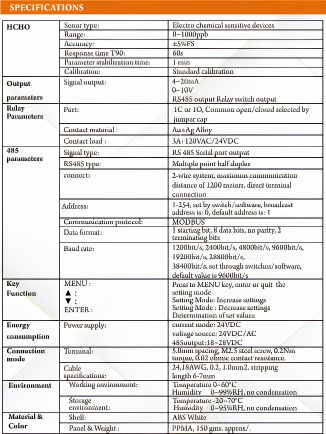
Specification
Ordering Guide
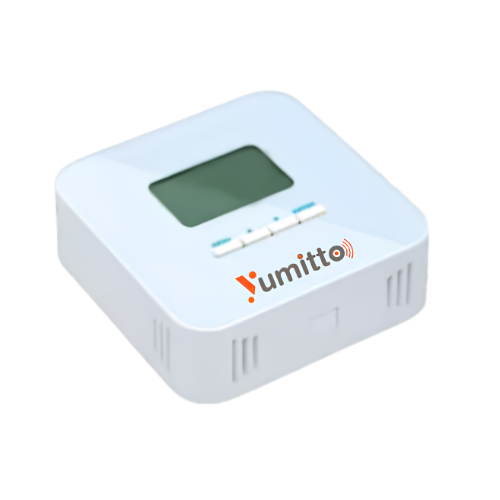
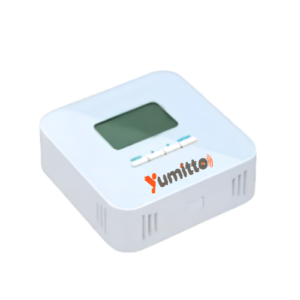
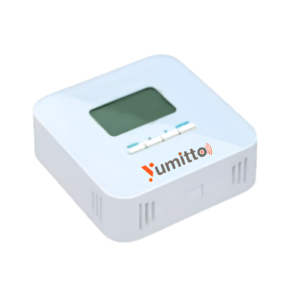
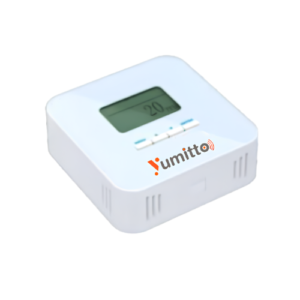
Indoor HCHO Sensor: Complete Guide to Indoor Formaldehyde Monitoring
An Indoor HCHO Sensor is a specialized monitoring device designed to detect and measure formaldehyde concentration in indoor environments. HCHO is the chemical formula for formaldehyde, a volatile organic compound that can be released from certain building materials, furnishings, adhesives, coatings, resins, and other products. Monitoring indoor formaldehyde levels can therefore be an important part of indoor air-quality management. A properly selected Indoor Formaldehyde Sensor can provide continuous information about HCHO concentration and support environmental monitoring in homes, offices, laboratories, commercial buildings, healthcare facilities, manufacturing areas, and other controlled indoor environments.
Indoor HCHO Sensor
An Indoor HCHO Sensor is designed to measure formaldehyde concentration in indoor air. It can be used as an individual monitoring device or integrated into a broader indoor air-quality monitoring system.
- Designed for indoor formaldehyde monitoring.
- Measures HCHO concentration in the monitored environment.
- Useful for indoor air-quality applications.
- Suitable for offices and commercial buildings.
- Can be used in laboratories.
- Useful for selected healthcare environments.
- Can support monitoring in manufacturing facilities.
- May be integrated with centralized environmental monitoring systems.
- Provides continuous information about indoor HCHO conditions.
- Helps identify changes in formaldehyde concentration.
- Can complement other indoor air-quality sensors.
- Sensor specifications should be selected according to the application.
Indoor formaldehyde concentrations can vary depending on building materials, furniture, ventilation, temperature, humidity, occupancy, and other factors. Continuous monitoring can help provide a better understanding of these changing conditions.
HCHO Sensor
An HCHO Sensor is a sensor specifically designed to detect and measure formaldehyde. HCHO monitoring can be useful in environments where indoor air quality is an important consideration.
- Detects formaldehyde concentration.
- Designed for HCHO monitoring applications.
- Suitable for fixed indoor installations.
- Can support continuous measurement.
- Useful in residential and commercial environments.
- Suitable for selected industrial applications.
- Can be integrated with air-quality monitoring systems.
- May provide digital or analog output depending on configuration.
- Supports environmental data collection.
- Requires appropriate installation and calibration.
- Should be selected according to the expected concentration range.
The sensing technology, measurement range, accuracy, response time, operating conditions, and maintenance requirements should all be reviewed before selecting an HCHO sensor.
Formaldehyde Sensor
A Formaldehyde Sensor is designed to measure formaldehyde concentration in air. Formaldehyde can be associated with various manufactured products and materials, making indoor monitoring useful in selected environments.
- Measures formaldehyde concentration.
- Supports indoor air-quality monitoring.
- Suitable for offices and commercial spaces.
- Useful in laboratories.
- Can support monitoring in manufacturing environments.
- May be used in building environmental monitoring.
- Can provide continuous measurements.
- May support automated data collection.
- Can be integrated with broader IAQ systems.
- Requires appropriate calibration and maintenance.
Formaldehyde monitoring can provide useful data when investigating indoor air-quality conditions or evaluating the effectiveness of ventilation and other environmental management measures.
Indoor Formaldehyde Sensor
An Indoor Formaldehyde Sensor is designed specifically for monitoring HCHO in indoor environments. It can be used where formaldehyde emissions from materials, products, processes, or other sources need to be observed.
- Suitable for indoor environments.
- Can support continuous HCHO measurement.
- Useful in offices and commercial buildings.
- Suitable for laboratories and research areas.
- Can be used in selected manufacturing spaces.
- Supports indoor air-quality management.
- May be integrated into building monitoring systems.
- Can provide local or remote readings depending on configuration.
- Helps track changes in indoor formaldehyde levels.
- Requires suitable installation and maintenance.
Sensor placement should be carefully considered because ventilation, airflow, room layout, temperature, humidity, and potential emission sources can influence measured concentrations.
HCHO Gas Sensor
An HCHO Gas Sensor is designed to detect formaldehyde gas and provide information about its concentration. It can be incorporated into indoor air-quality monitoring systems where HCHO is one of the parameters being evaluated.
- Detects HCHO gas.
- Supports continuous monitoring.
- Suitable for indoor air-quality applications.
- Can be used in commercial spaces.
- Useful in laboratories.
- Suitable for selected industrial environments.
- May connect to environmental monitoring controllers.
- Can support automated data collection.
- Helps identify changes in formaldehyde concentration.
- Requires appropriate calibration procedures.
A suitable HCHO gas sensor should be selected according to the intended measurement range and environmental conditions.
Formaldehyde Gas Sensor
A Formaldehyde Gas Sensor measures formaldehyde concentration in the monitored air. It can be used to monitor indoor environments where HCHO may be released from materials, products, processes, or other sources.
- Provides formaldehyde concentration information.
- Supports indoor air monitoring.
- Can be used in buildings and facilities.
- Useful for environmental assessment.
- Suitable for laboratories.
- Can support manufacturing-area monitoring.
- May integrate with centralized monitoring platforms.
- Supports continuous measurement.
- Can complement other gas and air-quality sensors.
- Requires proper installation and calibration.
The sensor should be evaluated for selectivity and compatibility with the environmental conditions in which it will operate.
HCHO Monitor
An HCHO Monitor provides information about formaldehyde concentration in an indoor environment. Depending on the system configuration, it may provide a local display, data output, alarm functionality, or connectivity with an external monitoring platform.
- Provides HCHO concentration readings.
- Supports continuous indoor monitoring.
- Useful for air-quality assessment.
- Can be installed at selected monitoring points.
- May provide local indication.
- Can support centralized data collection.
- May provide alarm functions where configured.
- Useful in offices, laboratories, and controlled environments.
- Supports ongoing environmental observation.
- Can complement other IAQ monitoring equipment.
An HCHO monitor should be selected according to the application’s measurement range, accuracy, response requirements, installation method, and communication needs.
Formaldehyde Monitor
A Formaldehyde Monitor is a monitoring solution designed to measure and track formaldehyde concentration. It can provide useful information for indoor environmental management.
- Measures formaldehyde concentration.
- Supports continuous monitoring.
- Useful for indoor air-quality programs.
- Can support building environmental assessments.
- Suitable for commercial and institutional spaces.
- Useful in laboratories.
- May be integrated into broader IAQ systems.
- Can help track changing HCHO levels.
- Supports environmental data collection.
- Requires appropriate maintenance and calibration.
Monitoring formaldehyde alongside other indoor air-quality parameters can provide a more comprehensive view of environmental conditions.
HCHO Sensor Manufacturer
Selecting a reliable HCHO Sensor Manufacturer is important when accurate and consistent formaldehyde monitoring is required.
- The manufacturer should provide clear product specifications.
- Measurement range should suit the application.
- Accuracy requirements should be considered.
- Response time should be reviewed.
- Sensor technology should be appropriate for HCHO.
- Operating temperature and humidity limits should be checked.
- Output requirements should be confirmed.
- Installation instructions should be available.
- Calibration requirements should be understood.
- Maintenance information should be provided.
- Technical support can simplify selection and installation.
- Product quality should be evaluated before procurement.
Before selecting an HCHO sensor, users should identify the application, expected formaldehyde concentration, environmental conditions, monitoring points, required output, and system integration requirements.
HCHO Sensor Supplier
An experienced HCHO Sensor Supplier can assist customers in selecting an appropriate formaldehyde monitoring solution.
- Application requirements should be clearly defined.
- Expected HCHO concentration should be considered.
- Required measurement range should be confirmed.
- Accuracy requirements should be identified.
- Installation environment should be reviewed.
- Output requirements should be established.
- Calibration requirements should be discussed.
- Quantity and monitoring locations should be determined.
- Technical documentation should be reviewed.
- After-sales support can be valuable for larger installations.
For multi-point indoor air-quality monitoring, compatibility between sensors and the central monitoring system should also be considered.
Indoor HCHO Sensor Manufacturer in India
An Indoor HCHO Sensor Manufacturer in India can provide formaldehyde monitoring solutions for offices, laboratories, commercial buildings, manufacturing facilities, healthcare environments, and other indoor spaces.
- Indian facilities increasingly use indoor air-quality monitoring systems.
- HCHO monitoring can support environmental assessments.
- Sensor specifications should match the application.
- Required measurement range should be identified.
- Installation conditions should be evaluated.
- Output and communication requirements should be confirmed.
- Calibration requirements should be established.
- Maintenance procedures should be planned.
- Product documentation should be reviewed.
- Monitoring objectives should be defined before procurement.
Indoor HCHO Sensor Supplier in India
An Indoor HCHO Sensor Supplier in India can support organizations requiring formaldehyde monitoring equipment for indoor environmental applications.
- Suitable for indoor air-quality projects.
- Useful for offices and commercial buildings.
- Can support laboratory monitoring.
- Suitable for selected manufacturing environments.
- Can help identify appropriate product specifications.
- Supports multiple monitoring points where required.
- Can assist with installation requirements.
- Technical documentation should be reviewed.
- Calibration requirements should be clarified.
- Delivery and support requirements should be confirmed.
HCHO Sensor Manufacturer in Delhi
An HCHO Sensor Manufacturer in Delhi can support organizations looking for formaldehyde monitoring solutions for offices, laboratories, commercial buildings, manufacturing areas, and other indoor environments.
- Determine the expected HCHO concentration.
- Select the appropriate measurement range.
- Review room ventilation and airflow.
- Consider potential formaldehyde sources.
- Select suitable sensor locations.
- Confirm output requirements.
- Review calibration procedures.
- Plan periodic maintenance.
HCHO Sensor Supplier in Mumbai
An HCHO Sensor Supplier in Mumbai can provide formaldehyde monitoring solutions for commercial, industrial, laboratory, and institutional applications.
- Useful for indoor air-quality monitoring.
- Can support building environmental assessments.
- Suitable for selected industrial applications.
- Sensor range should match the expected concentration.
- Room airflow should be considered.
- Environmental operating conditions should be reviewed.
- Output compatibility should be confirmed.
- Maintenance should be planned.
HCHO Sensor Manufacturer in Bangalore
An HCHO Sensor Manufacturer in Bangalore can support technology facilities, laboratories, offices, manufacturing environments, and research spaces requiring formaldehyde monitoring.
- Confirm the required measurement range.
- Review accuracy requirements.
- Consider sensor response time.
- Check operating temperature and humidity.
- Identify potential HCHO sources.
- Determine appropriate installation locations.
- Verify output and communication requirements.
- Establish calibration and maintenance procedures.
HCHO Sensor Supplier in Hyderabad
An HCHO Sensor Supplier in Hyderabad can provide HCHO monitoring solutions for laboratories, offices, commercial buildings, manufacturing facilities, and controlled indoor environments.
- Identify the monitoring objective.
- Determine expected formaldehyde concentration.
- Confirm sensor range.
- Review room ventilation.
- Select suitable monitoring locations.
- Check output requirements.
- Consider centralized monitoring.
- Establish calibration and maintenance requirements.
HCHO Sensor Manufacturer in Chennai
An HCHO Sensor Manufacturer in Chennai can provide formaldehyde monitoring solutions for indoor environmental applications.
- Review the intended application.
- Confirm expected HCHO levels.
- Select suitable sensing technology.
- Consider room airflow.
- Check operating environmental conditions.
- Verify monitoring-system compatibility.
- Establish calibration procedures.
- Plan periodic maintenance.
HCHO Sensor Supplier in Pune
An HCHO Sensor Supplier in Pune can support organizations looking for formaldehyde monitoring equipment.
- Suitable for offices and commercial spaces.
- Useful for laboratories.
- Can support selected manufacturing environments.
- Measurement range should be verified.
- Accuracy requirements should be established.
- Sensor positioning should be planned.
- Output compatibility should be checked.
- Calibration requirements should be considered.
HCHO Sensor Manufacturer in Ahmedabad
An HCHO Sensor Manufacturer in Ahmedabad can provide formaldehyde monitoring solutions for industrial facilities, commercial buildings, laboratories, and other indoor environments.
- Identify potential HCHO sources.
- Establish the required measurement range.
- Review ventilation and airflow.
- Consider temperature and humidity.
- Determine appropriate sensor placement.
- Verify monitoring-system compatibility.
- Establish maintenance and calibration procedures.
Indoor HCHO Sensor Supplier in Noida
An Indoor HCHO Sensor Supplier in Noida can provide formaldehyde monitoring solutions for offices, laboratories, manufacturing areas, commercial buildings, and controlled environments.
- Define the monitoring objective.
- Identify possible HCHO sources.
- Confirm the required measurement range.
- Review environmental conditions.
- Determine suitable installation locations.
- Confirm output and communication requirements.
- Consider centralized monitoring.
- Establish calibration and maintenance procedures.
Why Indoor Formaldehyde Monitoring Is Important
Formaldehyde can be released from certain building materials, furniture, adhesives, coatings, resins, composite wood products, and other sources. Because indoor concentrations can vary with ventilation, temperature, humidity, material emissions, and other conditions, monitoring can provide useful information about indoor environmental quality.
- Provides information about HCHO concentration.
- Supports indoor air-quality assessment.
- Helps identify changes in formaldehyde levels.
- Can support environmental management programs.
- Useful in newly constructed or renovated spaces.
- Can support monitoring of selected manufacturing environments.
- Provides data for evaluating indoor conditions.
- Can complement other IAQ sensors.
- Supports continuous environmental observation.
- Helps organizations understand changing indoor air conditions.
Monitoring should be considered alongside ventilation, source control, building management, and other appropriate indoor air-quality measures.
Applications of Indoor HCHO Sensor
An Indoor HCHO Sensor can be used in a variety of indoor environments.
Offices
- Supports indoor air-quality monitoring.
- Can provide continuous HCHO measurements.
- Useful in larger commercial buildings.
- Can complement other IAQ monitoring systems.
Laboratories
- Can monitor formaldehyde concentration where relevant.
- Supports environmental monitoring.
- Useful for selected research and testing environments.
Manufacturing Facilities
- Can be used where formaldehyde-containing materials or processes are present.
- Supports workplace environmental monitoring.
- May be integrated with industrial monitoring systems.
Healthcare Facilities
- Can support selected indoor environmental monitoring applications.
- May be used alongside other IAQ parameters.
- Product selection should follow facility requirements.
Commercial Buildings
- Useful for building environmental assessment.
- Can provide continuous data.
- Supports indoor air-quality management.
Newly Constructed or Renovated Spaces
- Can provide information about formaldehyde levels where new materials or furnishings may contribute to indoor emissions.
- Can support environmental assessment alongside ventilation and source-control measures.
Benefits of Indoor HCHO Sensor
A suitable Indoor HCHO Sensor can provide several benefits for indoor air-quality monitoring.
- Continuous formaldehyde concentration measurement.
- Improved awareness of indoor HCHO levels.
- Support for indoor air-quality programs.
- Useful for offices and commercial spaces.
- Suitable for selected industrial applications.
- Can support laboratory monitoring.
- Potential integration with centralized IAQ systems.
- Helps identify changes in formaldehyde concentration.
- Provides environmental measurement data.
- Can complement temperature, humidity, CO₂, particulate matter, and VOC monitoring.
- Reduces dependence on occasional manual measurements.
The actual performance of a formaldehyde monitoring system depends on sensor technology, installation conditions, calibration, maintenance, and environmental factors.
How to Select an Indoor HCHO Sensor
Selecting an Indoor HCHO Sensor requires consideration of the application’s specific requirements.
Measurement Range
- Determine the expected formaldehyde concentration.
- Select a suitable sensor range.
- Consider both typical and higher concentration conditions.
Accuracy
- Identify the required measurement accuracy.
- Consider the application’s monitoring objectives.
Response Time
- Review how quickly the sensor responds to changes.
- Select suitable response characteristics for the intended use.
Sensor Technology
- Evaluate the available sensing technology.
- Consider selectivity, sensitivity, stability, and service life.
- Review potential interference from other compounds where applicable.
Environmental Conditions
- Check operating temperature and humidity.
- Consider dust, moisture, chemicals, and other environmental factors.
- Confirm compatibility with the installation environment.
Installation Method
- Determine the required mounting configuration.
- Select a representative location.
- Consider ventilation and airflow.
Output and Communication
- Determine whether analog, digital, relay, or communication output is required.
- Verify compatibility with the existing monitoring system.
Calibration
- Review calibration requirements.
- Establish an appropriate verification schedule.
Maintenance
- Understand sensor service requirements.
- Plan periodic inspection.
- Follow manufacturer recommendations for maintenance and replacement.
Installation Considerations for Indoor HCHO Sensor
Proper installation is essential for obtaining representative formaldehyde measurements.
- Select a suitable monitoring location.
- Consider potential formaldehyde emission sources.
- Review room ventilation.
- Consider airflow patterns.
- Avoid locations that may produce unrepresentative readings.
- Ensure the sensor is accessible for maintenance.
- Follow the manufacturer’s installation instructions.
- Confirm power requirements.
- Verify output connections.
- Test the monitoring system after installation.
- Maintain records of sensor locations.
- Establish a calibration and maintenance schedule.
Sensor placement should ultimately be determined according to the room configuration, monitoring objective, ventilation system, potential sources, and technical requirements.
Calibration and Maintenance of HCHO Sensor
Regular maintenance helps maintain dependable formaldehyde monitoring performance.
- Follow manufacturer calibration recommendations.
- Perform periodic sensor verification.
- Inspect the sensor for physical damage.
- Check electrical connections.
- Verify sensor output.
- Review unusual or unexpected readings.
- Maintain calibration records.
- Replace sensing components according to their service requirements.
- Keep the sensor appropriately maintained.
- Follow the recommended maintenance schedule.
Calibration frequency can vary according to sensor technology, operating environment, application requirements, and manufacturer recommendations.
Indoor HCHO Sensor and Indoor Air Quality Monitoring
Formaldehyde is only one of many parameters that can influence indoor air quality. A comprehensive IAQ monitoring system may combine multiple sensors.
- HCHO sensors measure formaldehyde.
- CO₂ sensors provide information related to ventilation and occupancy conditions.
- Temperature sensors monitor thermal conditions.
- Humidity sensors measure moisture levels.
- PM sensors monitor airborne particulate matter.
- VOC sensors monitor selected volatile organic compounds.
- Ozone sensors monitor ozone concentration.
- Multiple parameters can provide a broader view of indoor environmental conditions.
An Indoor HCHO Sensor can therefore be incorporated into a larger environmental monitoring system when formaldehyde is a relevant parameter for the facility.
HCHO Sensor for Building Environmental Monitoring
Building materials, furnishings, adhesives, coatings, and other products can influence indoor air conditions. An HCHO sensor can provide continuous measurement data for selected building environments.
- Useful for indoor environmental assessments.
- Can support monitoring after renovation.
- Provides information about changing HCHO levels.
- Can complement ventilation assessments.
- Supports continuous monitoring.
- Can be incorporated into building management systems where compatible.
- Helps provide measurable environmental data.
Monitoring should be combined with appropriate source-control and ventilation strategies where formaldehyde is identified as a concern.
Why Choose Yumitto for Indoor HCHO Sensor?
Yumitto provides industrial and environmental monitoring solutions for applications requiring continuous measurement of indoor air-quality parameters.
- Suitable for indoor environmental monitoring.
- Solutions for industrial and controlled environments.
- Support for gas and air-quality monitoring.
- Suitable for laboratory applications.
- Useful for commercial and industrial facilities.
- Can support centralized monitoring where compatible.
- Product specifications can be evaluated according to application requirements.
- Suitable for continuous environmental monitoring projects.
- Supports practical monitoring requirements.
- Solutions can be selected according to the required measurement conditions.
When requesting an Indoor HCHO Sensor from Yumitto, customers should provide information such as the application, expected HCHO concentration, required measurement range, installation environment, output requirements, number of monitoring points, and monitoring-system integration requirements.
Frequently Asked Questions About Indoor HCHO Sensor
What is an Indoor HCHO Sensor?
An Indoor HCHO Sensor is a device designed to detect and measure formaldehyde concentration in indoor air. It can provide continuous information for indoor air-quality monitoring.
What does HCHO stand for?
HCHO is the chemical formula commonly used for formaldehyde.
Where can an Indoor HCHO Sensor be used?
It can be used in offices, commercial buildings, laboratories, manufacturing facilities, healthcare environments, research areas, and other indoor spaces where formaldehyde monitoring is required.
Why is formaldehyde monitoring important?
Monitoring can provide information about indoor formaldehyde concentration and help organizations evaluate changing indoor air-quality conditions.
Can an HCHO sensor provide continuous monitoring?
Yes. Fixed HCHO monitoring systems can provide continuous measurement, subject to the specifications and configuration of the selected sensor.
Can an HCHO sensor be integrated with an IAQ monitoring system?
Yes, depending on the sensor’s output and communication capabilities, it may be integrated with a broader indoor air-quality monitoring system.
Where should an HCHO sensor be installed?
The location should provide representative measurements of the monitored space. Room layout, ventilation, airflow, potential formaldehyde sources, and maintenance accessibility should be considered.
How often should an HCHO sensor be calibrated?
Calibration requirements depend on the sensor technology, operating conditions, application, and manufacturer recommendations.
Does an HCHO sensor detect other VOCs?
A dedicated HCHO sensor is designed to measure formaldehyde. It should not automatically be considered a general VOC sensor unless the product is specifically designed for broader VOC measurement.
What information is needed to select an HCHO sensor?
Important information includes expected HCHO concentration, required measurement range, accuracy, response time, room conditions, installation method, output requirements, environmental conditions, and monitoring-system integration requirements.
Conclusion
An Indoor HCHO Sensor is a valuable solution for monitoring formaldehyde concentration in indoor environments where air quality is an important consideration. Offices, laboratories, commercial buildings, manufacturing facilities, healthcare environments, research areas, and newly constructed or renovated spaces may benefit from continuous HCHO monitoring when formaldehyde is a relevant environmental parameter.
Selecting the right Formaldehyde Sensor requires careful consideration of measurement range, accuracy, response time, sensor technology, environmental conditions, installation location, output, calibration, and maintenance. Correct installation and regular maintenance are also important for obtaining useful and consistent measurements.
For organizations searching for an HCHO Sensor Manufacturer or HCHO Sensor Supplier, Yumitto provides environmental monitoring solutions designed for different indoor and industrial applications. A properly selected Indoor HCHO Sensor can become an important component of a broader indoor air-quality monitoring strategy, providing continuous information about formaldehyde levels and helping organizations better understand their indoor environmental conditions.