



INDOOR NITROGEN SENSOR (N2)
Model
:
Y108 SERIES
Type
:
ROOM
Display
:
Display Available
Aplication
- Home indoor environment monitoring
- Factory environment monitoring
- Office building environmental monitoring
- Airports, subway stations, hotels, museums, sports centers, etc.

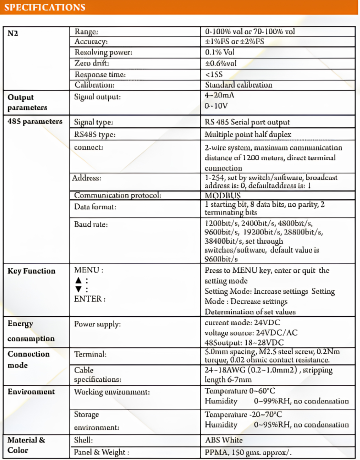
Specification
Ordering Guide
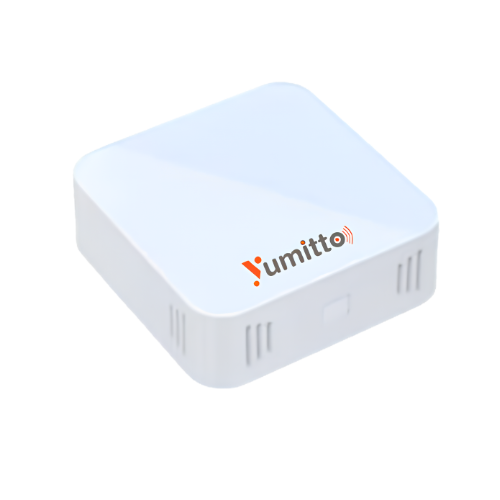
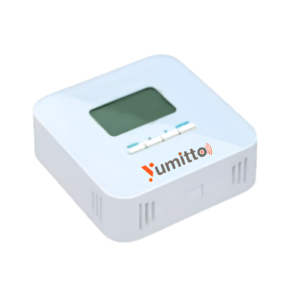
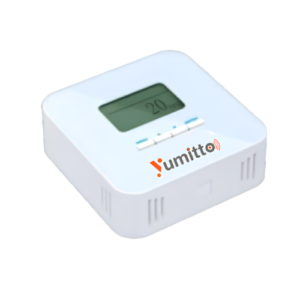
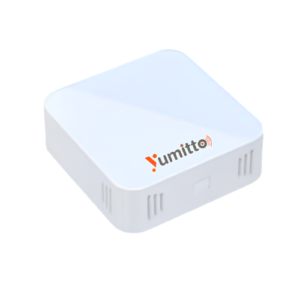
Indoor Nitrogen Sensor (N₂): Reliable Nitrogen Gas Monitoring for Indoor Environments
An Indoor Nitrogen Sensor is an important monitoring solution for environments where nitrogen gas is stored, used, generated, or handled. Nitrogen (N₂) is widely used across laboratories, manufacturing facilities, food processing units, pharmaceutical plants, industrial areas, and other controlled environments. Although nitrogen is not toxic in the conventional sense, an uncontrolled release can displace oxygen from an enclosed area and create an oxygen-deficient atmosphere. Continuous monitoring can therefore support safer indoor working conditions.
Modern facilities increasingly require reliable gas monitoring systems to identify abnormal nitrogen conditions and support timely safety responses. A properly selected Nitrogen N2 Sensor can form part of a broader environmental monitoring and workplace safety system. Depending on the application, the sensor or monitoring system may be integrated with displays, alarms, controllers, building management systems, or ventilation equipment.
Indoor Nitrogen Sensor
An Indoor Nitrogen Sensor is designed for monitoring nitrogen-related conditions in indoor environments where N₂ may be present. Nitrogen is a colorless and odorless gas, which means a release cannot necessarily be identified through normal human senses.
Key considerations include:
- Monitoring areas where nitrogen cylinders or storage systems are installed.
- Supporting safety monitoring in laboratories and industrial rooms.
- Providing information for controlled environments where nitrogen is routinely used.
- Helping identify abnormal conditions when integrated with an appropriate monitoring system.
- Supporting ventilation and emergency-response strategies.
- Enabling continuous environmental observation rather than relying only on manual inspection.
- Providing an additional layer of safety in enclosed or poorly ventilated areas.
An indoor nitrogen monitoring solution should always be selected according to the actual application, required measurement principle, environmental conditions, and safety objectives.
Nitrogen N2 Sensor
A Nitrogen N2 Sensor is used as part of a monitoring system intended to detect or monitor nitrogen-related conditions. Since nitrogen itself is a major component of normal air, the application needs to be considered carefully when selecting a sensing technology.
Important selection factors include:
- Required measurement range.
- Desired response time.
- Installation location.
- Room volume and ventilation.
- Expected nitrogen sources.
- Environmental temperature and humidity.
- Required alarm functionality.
- Display and communication requirements.
- Calibration requirements.
- Integration with existing safety systems.
For facilities using nitrogen continuously, an appropriate Nitrogen N2 Sensor can contribute to a structured gas-safety monitoring strategy.
Nitrogen Gas Sensor
A Nitrogen Gas Sensor is useful in applications where nitrogen is stored, supplied, or used inside controlled areas. Nitrogen is commonly supplied through cylinders, bulk storage systems, generators, or centralized gas distribution systems.
A suitable monitoring arrangement can be considered for:
- Gas storage rooms.
- Laboratory environments.
- Manufacturing areas.
- Pharmaceutical facilities.
- Food processing environments.
- Industrial gas handling rooms.
- Research facilities.
- Cryogenic gas handling areas.
- Controlled production spaces.
- Utility and service rooms.
When designing a nitrogen monitoring installation, the sensor location should be determined according to the room layout, potential release points, ventilation characteristics, and applicable safety requirements.
Indoor Nitrogen Gas Sensor
An Indoor Nitrogen Gas Sensor can support environmental and workplace monitoring where nitrogen is used indoors. The main concern associated with a significant nitrogen release in an enclosed space is oxygen displacement.
Important aspects of indoor nitrogen monitoring include:
- Identifying areas where nitrogen leakage could occur.
- Evaluating the size and ventilation of the room.
- Installing monitoring equipment at strategically appropriate locations.
- Providing suitable visual or audible alarm arrangements where required.
- Establishing maintenance and calibration procedures.
- Integrating monitoring with ventilation or safety controls where appropriate.
- Training personnel to respond to abnormal gas conditions.
The sensor should not be considered a substitute for proper ventilation, gas-handling procedures, pressure controls, emergency planning, and other safety measures.
Nitrogen Sensor
A Nitrogen Sensor can be part of an overall gas monitoring architecture designed around a facility’s specific requirements. Selecting the right sensor requires more than simply identifying nitrogen as the target gas.
Consider the following:
- Application: Determine why nitrogen monitoring is required.
- Environment: Consider temperature, humidity, dust, and other environmental conditions.
- Installation: Evaluate the room dimensions and possible release locations.
- Measurement: Define the required measurement range and accuracy.
- Alarm: Determine whether local or remote alarms are needed.
- Maintenance: Establish a practical calibration and inspection schedule.
- Integration: Consider connections with controllers, displays, or building systems.
- Reliability: Select equipment suitable for continuous operation when required.
A professionally planned Nitrogen Sensor installation provides more meaningful monitoring than placing a sensor without considering airflow and room characteristics.
Nitrogen Gas Monitor
A Nitrogen Gas Monitor provides a convenient way to observe nitrogen-related conditions and, depending on the system configuration, can provide alarms when predefined conditions occur.
A nitrogen gas monitoring system may include:
- Sensor element.
- Electronic measurement circuitry.
- Digital display.
- Local alarm indicators.
- Audible or visual alarms.
- Communication interfaces.
- Controller or monitoring panel.
- Data logging functionality where supported.
- Power supply and backup arrangements where required.
In larger facilities, several sensing points may be connected to a central monitoring arrangement. This can help operators understand conditions across different rooms or zones.
A Nitrogen Gas Monitor should be selected based on the complete monitoring requirement rather than only the sensor itself.
Nitrogen Monitor
A Nitrogen Monitor can provide continuous information for facilities where nitrogen is routinely handled. Continuous monitoring can be particularly useful in areas where personnel may not immediately recognize a nitrogen release.
Potential benefits include:
- Continuous observation.
- Faster awareness of abnormal conditions.
- Reduced dependence on manual checks.
- Support for safety procedures.
- Easier monitoring of multiple areas.
- Potential integration with alarm systems.
- Better visibility of environmental conditions.
For critical applications, monitoring equipment should form part of a complete safety program that includes appropriate ventilation, emergency procedures, employee training, and regular equipment inspection.
Nitrogen Sensor Manufacturer
Choosing a reliable Nitrogen Sensor Manufacturer is important when the monitoring system is intended for industrial, laboratory, pharmaceutical, or other controlled applications.
When evaluating a manufacturer, consider:
- Product design and application suitability.
- Available measurement ranges.
- Sensor technology and operating principle.
- Environmental specifications.
- Calibration support.
- Documentation and technical assistance.
- Product quality control.
- Communication options.
- Installation support.
- After-sales service.
A manufacturer should be able to help users understand the sensor’s operating requirements and determine whether the selected solution is suitable for the intended environment.
For organizations looking for an Indoor Nitrogen Sensor Manufacturer in India, evaluating technical support, product documentation, customization options, and service availability can be especially useful.
Nitrogen Sensor Supplier
A dependable Nitrogen Sensor Supplier can help customers select suitable equipment according to their monitoring requirements. The supplier’s role is particularly important when the application involves multiple monitoring points or integration with an existing environmental monitoring system.
When selecting a supplier, consider:
- Product availability.
- Technical specifications.
- Sensor range.
- Installation guidance.
- Calibration requirements.
- Replacement and maintenance support.
- Communication capabilities.
- Delivery requirements.
- Application-specific assistance.
A knowledgeable supplier can help avoid common mistakes such as selecting an unsuitable measurement range or installing the sensor in a location that does not properly represent the monitored environment.
N2 Gas Sensor
An N2 Gas Sensor is intended for applications involving nitrogen monitoring. Nitrogen is extensively used because of its inert characteristics, making it valuable for purging, blanketing, packaging, inert-atmosphere processes, and other industrial applications.
However, nitrogen’s inert nature does not eliminate the need for safety monitoring in enclosed spaces. A substantial nitrogen release can reduce the oxygen concentration of surrounding air.
An N2 Gas Sensor solution can therefore be considered in areas such as:
- Nitrogen cylinder storage rooms.
- Laboratory gas supply areas.
- Manufacturing facilities.
- Pharmaceutical production environments.
- Food packaging areas.
- Research laboratories.
- Industrial gas rooms.
- Utility areas.
- Controlled processing rooms.
The monitoring approach should always be designed according to the actual risk assessment and applicable safety requirements.
Indoor Nitrogen Sensor Manufacturer in India
An Indoor Nitrogen Sensor Manufacturer in India can provide monitoring solutions for laboratories, manufacturing plants, pharmaceutical facilities, research centers, and other indoor environments where nitrogen is handled.
When sourcing locally, organizations can evaluate:
- Technical product specifications.
- Application suitability.
- Sensor configuration.
- Calibration support.
- Communication options.
- Installation assistance.
- Maintenance requirements.
- Availability of replacement components.
- Technical documentation.
Indian industries operate across a wide range of environmental conditions. Therefore, the selected Indoor Nitrogen Sensor Manufacturer in India should provide a solution suitable for the actual operating environment.
Indoor Nitrogen Sensor Supplier in India
An Indoor Nitrogen Sensor Supplier in India can support customers who require nitrogen monitoring equipment for indoor installations.
A good supplier can assist with:
- Understanding the application.
- Selecting appropriate monitoring equipment.
- Determining installation points.
- Reviewing environmental conditions.
- Understanding alarm requirements.
- Planning sensor maintenance.
- Providing technical documentation.
- Supporting system integration.
For projects involving multiple rooms, it can be useful to evaluate the complete monitoring architecture instead of purchasing individual sensors without a coordinated plan.
Nitrogen Sensor Manufacturer in Delhi
Organizations searching for a Nitrogen Sensor Manufacturer in Delhi may require monitoring equipment for laboratories, industrial facilities, pharmaceutical operations, research environments, and commercial installations.
Before selecting a solution, buyers should review:
- Required nitrogen monitoring range.
- Environmental operating conditions.
- Required alarm functionality.
- Sensor installation requirements.
- Calibration procedures.
- Display requirements.
- Communication interfaces.
- Maintenance and service availability.
The right equipment should be chosen according to the facility’s actual risk assessment and monitoring objectives.
Nitrogen Sensor Supplier in Mumbai
A Nitrogen Sensor Supplier in Mumbai can serve industrial, laboratory, manufacturing, and research facilities that use nitrogen gas indoors.
Important procurement considerations include:
- Product specifications.
- Measurement range.
- Environmental compatibility.
- Installation requirements.
- Maintenance schedule.
- Alarm integration.
- Technical support.
- Product documentation.
Facilities should also consider room ventilation and potential nitrogen release points when determining the most suitable monitoring locations.
Nitrogen Sensor Manufacturer in Bangalore
A Nitrogen Sensor Manufacturer in Bangalore can support organizations requiring indoor nitrogen monitoring across technology, research, manufacturing, pharmaceutical, laboratory, and industrial environments.
A reliable monitoring system can help facilities:
- Monitor designated areas continuously.
- Support workplace safety procedures.
- Identify abnormal conditions.
- Connect monitoring equipment with suitable alarms.
- Maintain better visibility of gas-related environmental conditions.
The sensor selection should be based on the actual application and the environmental conditions in the monitored area.
Nitrogen Sensor Supplier in Hyderabad
A Nitrogen Sensor Supplier in Hyderabad can provide monitoring solutions for laboratories, manufacturing facilities, pharmaceutical plants, and other locations where nitrogen is used.
Before purchasing, users should evaluate:
- Sensor compatibility.
- Measurement range.
- Response characteristics.
- Installation environment.
- Alarm requirements.
- Calibration requirements.
- Communication options.
- Long-term maintenance support.
Correct installation is equally important because room airflow and nitrogen release patterns can influence monitoring performance.
Nitrogen Sensor Manufacturer in Chennai
A Nitrogen Sensor Manufacturer in Chennai can cater to industrial and laboratory environments where nitrogen is stored or used.
Applications may include:
- Industrial gas handling areas.
- Laboratories.
- Pharmaceutical facilities.
- Food processing environments.
- Manufacturing plants.
- Research facilities.
- Utility rooms.
Users should select equipment based on the required monitoring objective, environmental conditions, and applicable safety procedures.
Nitrogen Sensor Supplier in Pune
A Nitrogen Sensor Supplier in Pune can provide nitrogen monitoring solutions for manufacturing, research, laboratory, pharmaceutical, and industrial facilities.
When choosing a system, consider:
- Sensor range.
- Installation requirements.
- Environmental compatibility.
- Alarm capabilities.
- Calibration intervals.
- Maintenance requirements.
- Integration options.
- Technical support.
A properly planned installation can improve the usefulness of continuous nitrogen monitoring.
Nitrogen Sensor Manufacturer in Ahmedabad
A Nitrogen Sensor Manufacturer in Ahmedabad can support industries that use nitrogen in production, packaging, laboratory, storage, and other processes.
A suitable monitoring solution can help facilities establish a more structured approach to gas safety by providing information about monitored conditions.
Key considerations include:
- Application-specific sensor selection.
- Suitable installation location.
- Required alarm thresholds.
- Environmental operating conditions.
- Calibration and maintenance.
- Integration with existing systems.
Monitoring should always complement, rather than replace, appropriate gas-handling and ventilation practices.
Indoor Nitrogen Sensor Supplier in Noida
An Indoor Nitrogen Sensor Supplier in Noida can provide monitoring equipment for laboratories, industrial facilities, research centers, manufacturing units, and other indoor applications.
Before selecting a supplier, buyers can review:
- Product quality.
- Technical documentation.
- Sensor specifications.
- Installation support.
- Calibration services.
- Communication options.
- Maintenance assistance.
- Availability of replacement components.
For long-term operation, reliable technical support can be just as important as the initial sensor purchase.
Why Nitrogen Monitoring Is Important in Indoor Environments
Nitrogen is naturally present in atmospheric air, but the risk changes when nitrogen is released in large quantities inside an enclosed or poorly ventilated space.
Important reasons for monitoring include:
- Nitrogen is colorless and odorless.
- A significant release can displace oxygen.
- Personnel may not recognize a nitrogen leak through their senses.
- Enclosed rooms can experience rapid changes in atmospheric composition.
- Early warning can support timely response procedures.
- Continuous monitoring can complement ventilation and gas-safety systems.
Facilities using compressed or bulk nitrogen should evaluate the potential consequences of accidental release as part of their safety planning.
Applications of Indoor Nitrogen Sensor
Indoor nitrogen monitoring can be useful across multiple industries.
Common applications include:
- Laboratories: Monitoring areas where nitrogen cylinders or gas systems are used.
- Pharmaceutical facilities: Supporting controlled gas-handling areas.
- Food processing: Monitoring locations where nitrogen is used for packaging or processing.
- Manufacturing: Supporting industrial gas safety.
- Research facilities: Monitoring experimental and laboratory environments.
- Gas storage rooms: Providing additional environmental monitoring.
- Industrial utility areas: Supporting gas safety procedures.
- Cryogenic environments: Monitoring areas associated with nitrogen handling.
- Packaging facilities: Supporting areas where nitrogen is used in modified-atmosphere processes.
Benefits of Indoor Nitrogen Monitoring
A properly selected monitoring solution can provide several operational benefits.
- Continuous monitoring: Provides ongoing visibility of monitored conditions.
- Safety support: Adds another layer to an organization’s gas-safety strategy.
- Early awareness: Helps personnel identify abnormal conditions more quickly.
- Remote monitoring potential: Suitable systems can be connected to centralized monitoring arrangements.
- Alarm integration: Monitoring systems can be configured with suitable alarms where supported.
- Better process awareness: Helps facilities understand gas-related environmental conditions.
- Maintenance planning: Digital monitoring can support systematic inspection and calibration programs.
How to Select the Right Indoor Nitrogen Sensor
Selection should begin with the actual application rather than the product name.
Consider:
- Define the application: Identify why nitrogen monitoring is required.
- Assess the environment: Review temperature, humidity, dust, airflow, and other factors.
- Determine the measurement requirement: Select an appropriate range and resolution.
- Review installation conditions: Identify possible release locations and suitable monitoring points.
- Consider alarms: Determine whether local or centralized alarms are required.
- Check communication: Evaluate available interfaces for system integration.
- Review maintenance: Understand calibration and sensor replacement requirements.
- Consider reliability: Select equipment appropriate for the expected operating schedule.
- Check documentation: Ensure technical specifications are clearly available.
- Evaluate support: Consider installation, calibration, and after-sales service.
Installation and Maintenance of Indoor Nitrogen Sensor
Correct installation is essential for useful monitoring performance.
Recommended considerations include:
- Select installation points according to the potential nitrogen release scenario.
- Consider room airflow and ventilation.
- Avoid locations that do not represent the intended monitoring zone.
- Follow manufacturer installation instructions.
- Keep the sensing area accessible for inspection.
- Protect the equipment from unnecessary mechanical damage.
- Establish routine inspection procedures.
- Follow recommended calibration schedules.
- Check alarms and communication functions periodically.
- Maintain records of calibration and servicing.
Maintenance requirements depend on the sensor technology and system design, so users should always follow the manufacturer’s technical documentation.
Nitrogen Monitoring and Workplace Safety
A nitrogen monitoring system should be treated as one part of a larger workplace safety strategy.
A comprehensive approach may include:
- Adequate room ventilation.
- Proper nitrogen cylinder storage.
- Leak prevention procedures.
- Gas line inspection.
- Emergency response planning.
- Appropriate warning signs.
- Employee training.
- Periodic equipment inspection.
- Gas monitoring.
- Alarm and emergency procedures.
The objective is not simply to install a sensor but to establish a practical system that supports safe nitrogen handling.
Why Choose Yumitto for Indoor Nitrogen Monitoring?
Yumitto provides monitoring solutions designed for industrial and environmental measurement applications. When selecting an Indoor Nitrogen Sensor, users should focus on application suitability, measurement requirements, installation conditions, and long-term monitoring needs.
Yumitto can be considered when evaluating:
- Indoor environmental monitoring solutions.
- Industrial gas monitoring requirements.
- Laboratory monitoring applications.
- Digital monitoring systems.
- Customized monitoring requirements.
- Technical assistance for application selection.
For organizations looking for dependable monitoring solutions, the right product should be selected after reviewing the facility’s specific requirements.
Frequently Asked Questions
What is an Indoor Nitrogen Sensor?
An Indoor Nitrogen Sensor is a monitoring device or sensing solution used to monitor nitrogen-related conditions in indoor environments where nitrogen gas is stored, supplied, generated, or used.
Why is nitrogen monitoring required indoors?
Nitrogen is colorless and odorless. A large release in an enclosed area can displace oxygen, so monitoring can provide an additional layer of safety awareness.
Where can an Indoor Nitrogen Sensor be installed?
It may be considered for laboratories, gas storage areas, manufacturing facilities, pharmaceutical plants, food-processing areas, research facilities, and other locations where nitrogen is handled.
Is nitrogen toxic?
Nitrogen is not generally classified as a toxic gas under normal atmospheric conditions. However, high concentrations can reduce available oxygen and create an oxygen-deficient environment.
How should an Indoor Nitrogen Sensor be selected?
Selection should consider the application, sensing principle, measurement range, environmental conditions, installation location, alarm requirements, communication options, and maintenance needs.
Does a nitrogen sensor replace ventilation?
No. Gas monitoring should complement proper ventilation, gas-handling procedures, emergency planning, and other safety controls.
How often should a nitrogen sensor be calibrated?
The appropriate calibration interval depends on the sensor technology, manufacturer recommendations, operating conditions, and application requirements.
Can a Nitrogen Gas Monitor provide alarms?
Depending on the product configuration, a Nitrogen Gas Monitor may support visual, audible, relay, or other alarm functions. The available features should be confirmed for the selected model.
Can nitrogen monitoring be integrated into a building monitoring system?
Depending on the sensor and communication interface, nitrogen monitoring equipment may be integrated into suitable centralized monitoring or control systems.
Where can I purchase an Indoor Nitrogen Sensor in India?
Organizations can evaluate specialized industrial monitoring suppliers such as Yumitto based on product specifications, application requirements, technical support, and service availability.
Conclusion
An Indoor Nitrogen Sensor can be an important component of a comprehensive gas-safety and environmental monitoring strategy in facilities where nitrogen is stored or used. Because nitrogen is colorless and odorless, relying solely on human detection is not appropriate for identifying potentially hazardous releases.
A suitable Nitrogen N2 Sensor, Nitrogen Gas Sensor, or N2 Gas Sensor should be selected according to the facility’s actual application, environmental conditions, required measurement range, installation requirements, alarm strategy, and maintenance program.
From laboratories and pharmaceutical facilities to manufacturing plants, food-processing areas, research centers, and industrial gas rooms, reliable nitrogen monitoring can provide valuable awareness of changing environmental conditions.
For dependable indoor gas monitoring solutions, organizations can evaluate the appropriate Indoor Nitrogen Sensor from Yumitto based on their specific technical and operational requirements.